“Arthur is a painter in the classical sense of the word: a figurative artist grounded in a millennia-old tradition, the different strands of which he, in keeping with a distinctly contemporary sensibility, mixes as though assembling a jigsaw puzzle with pieces from two or three different sets.”
Agnaldo Farias
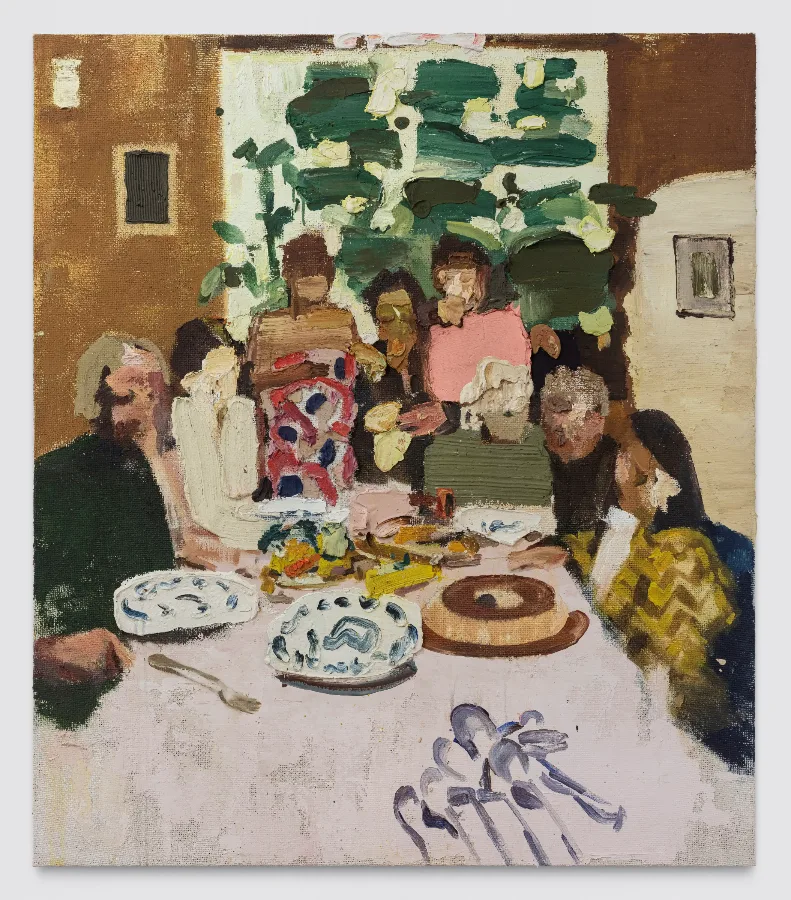
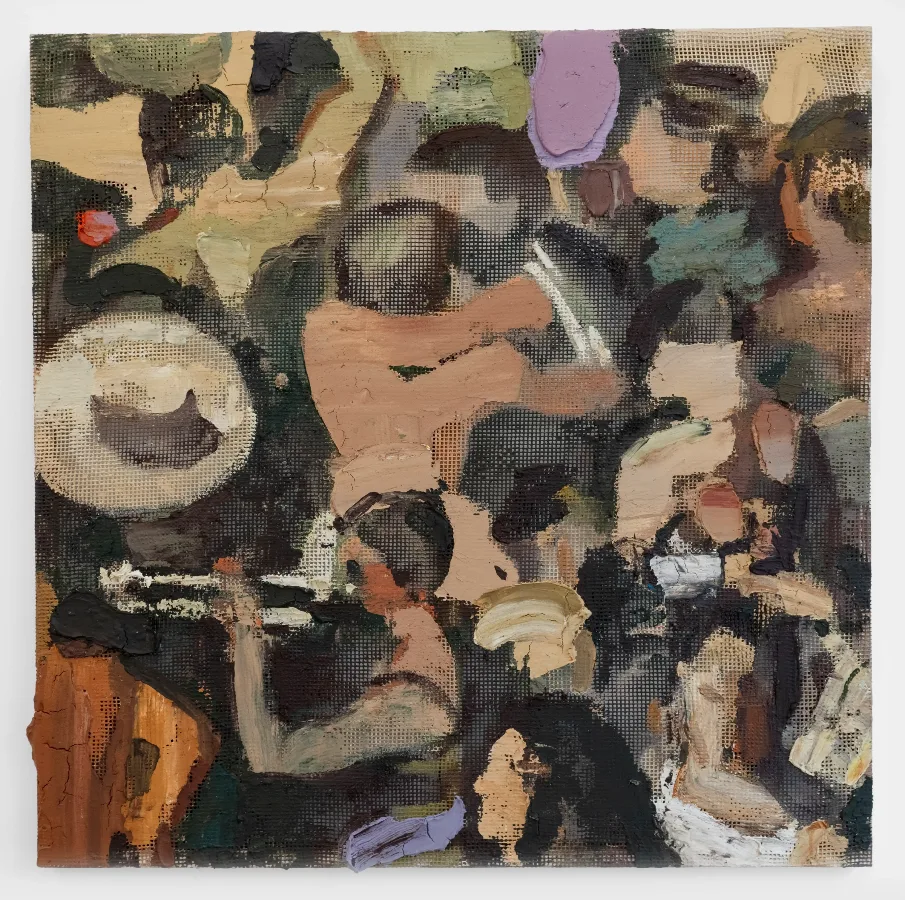
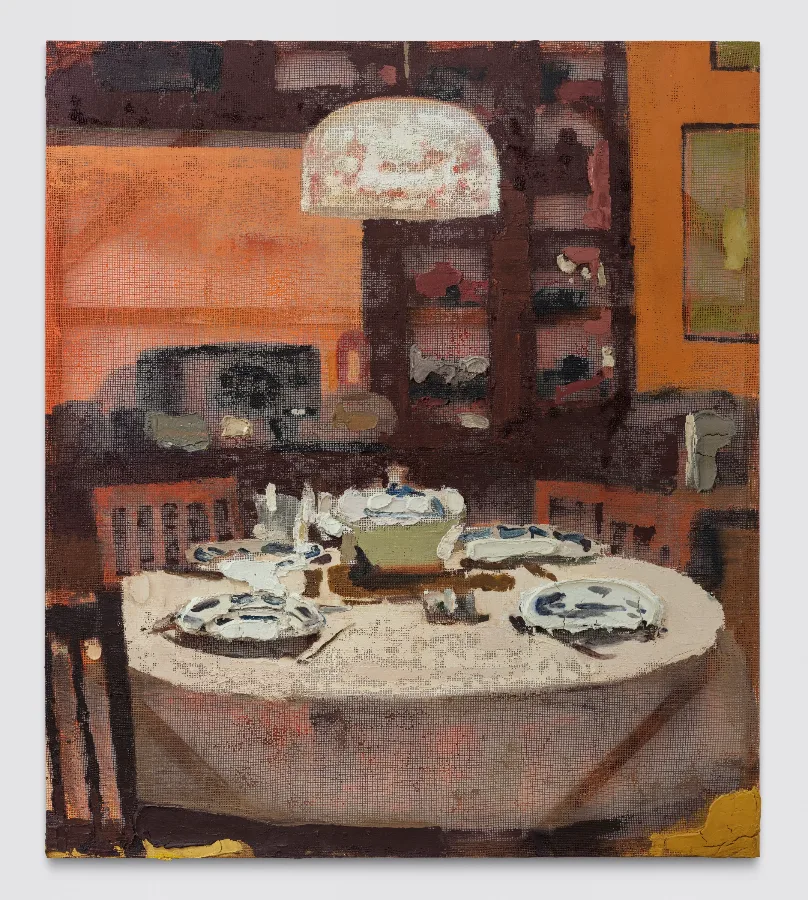
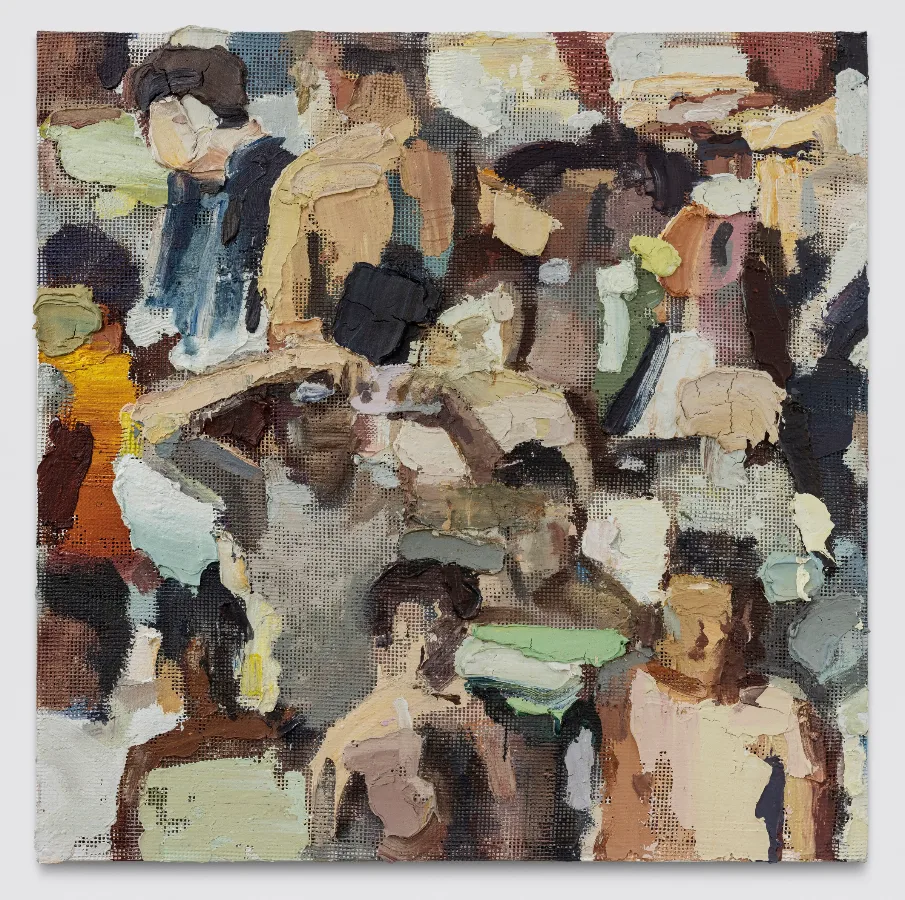
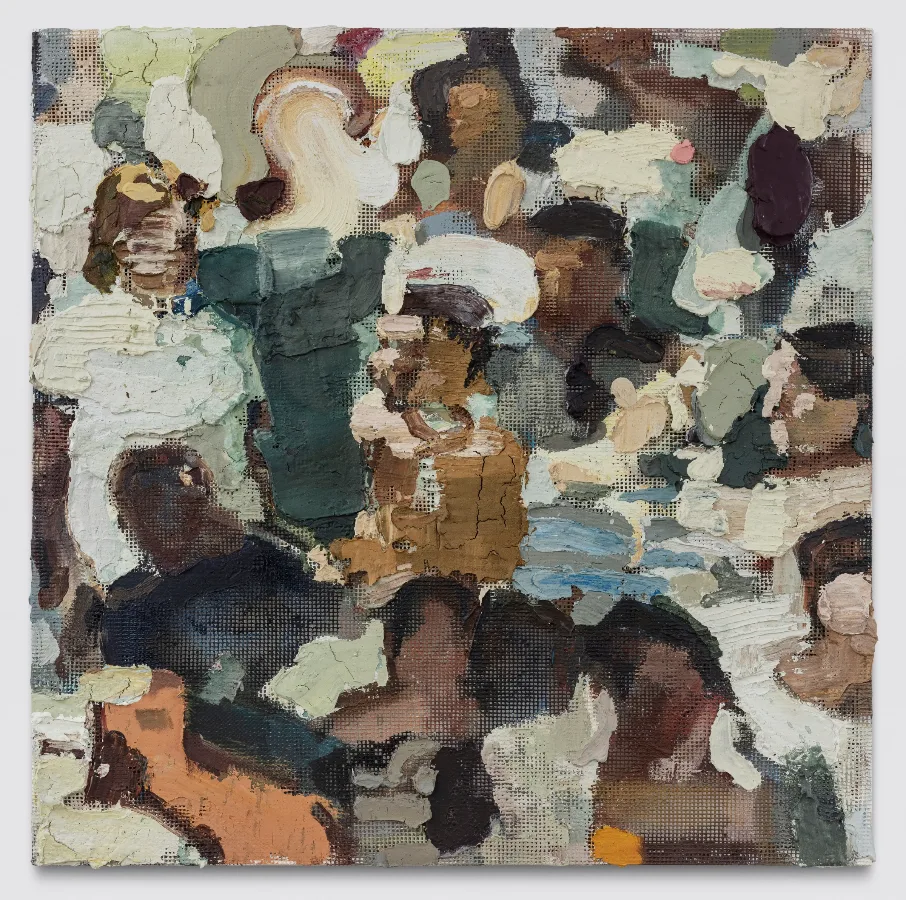
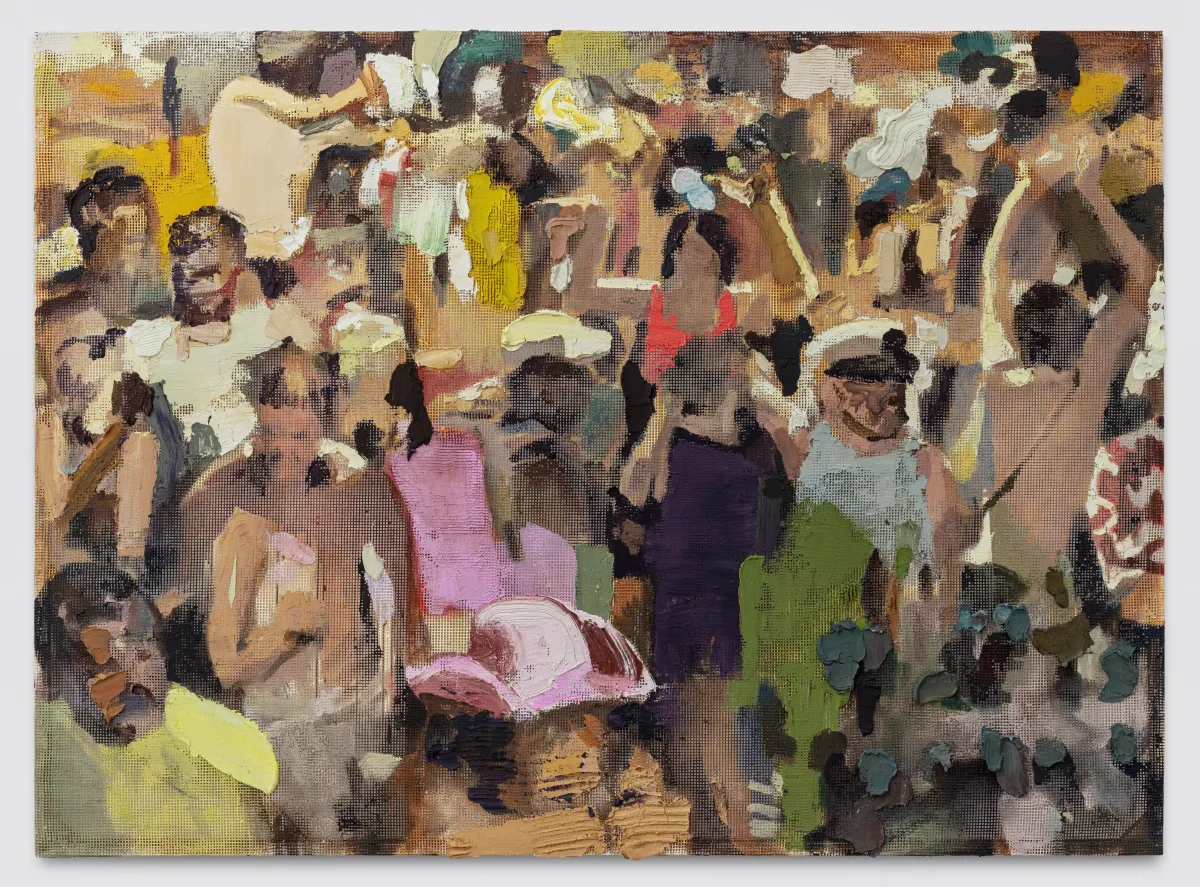
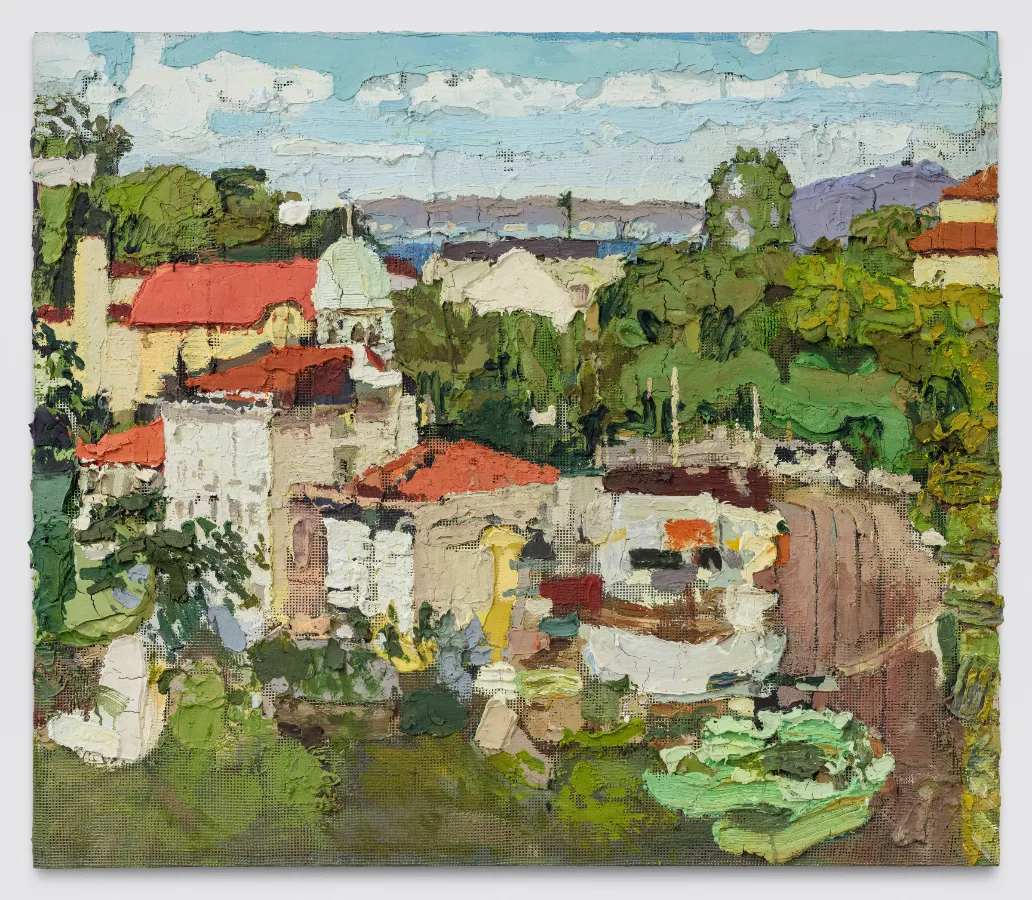
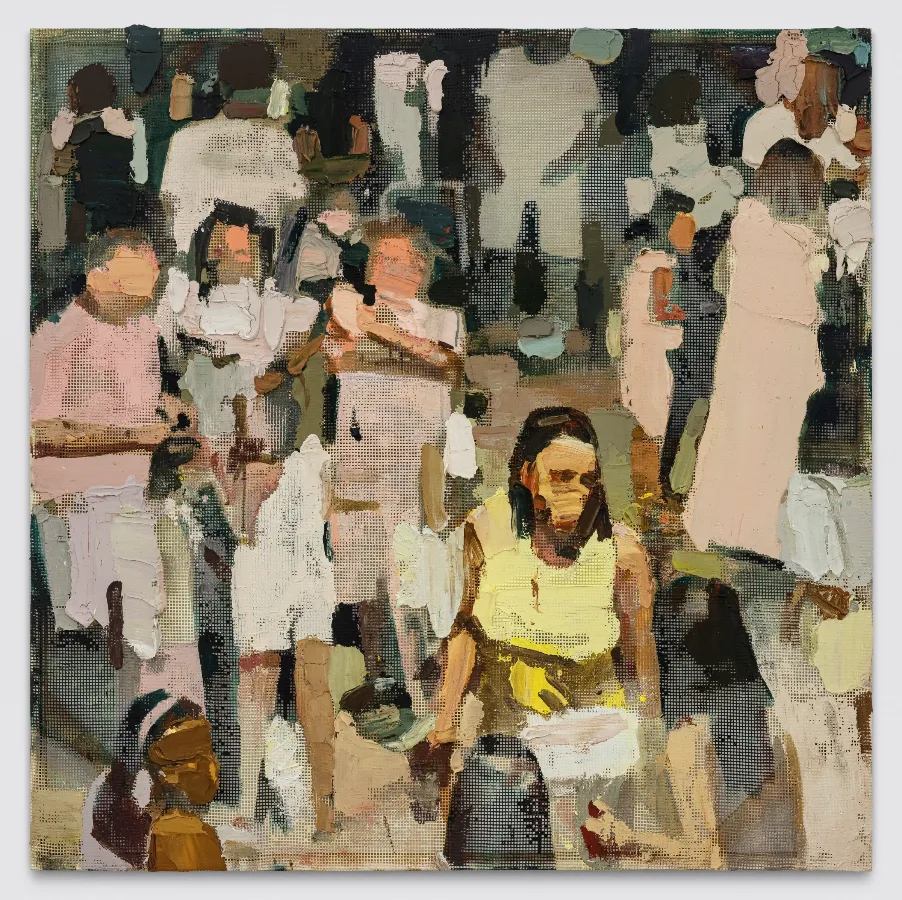
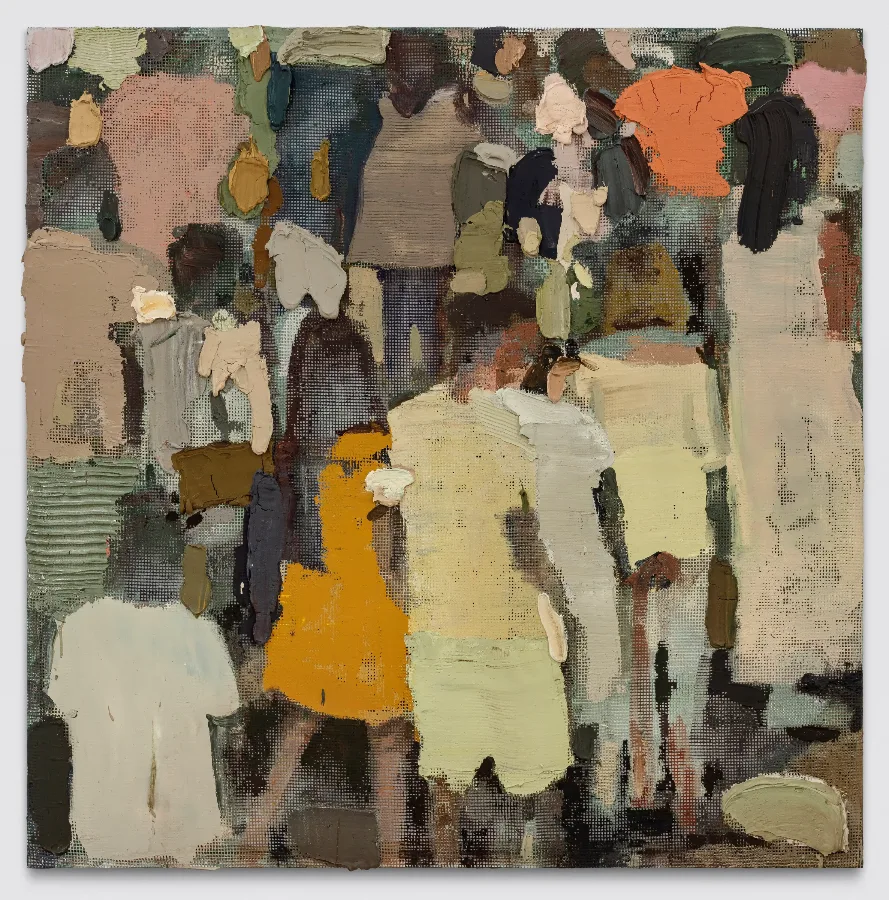
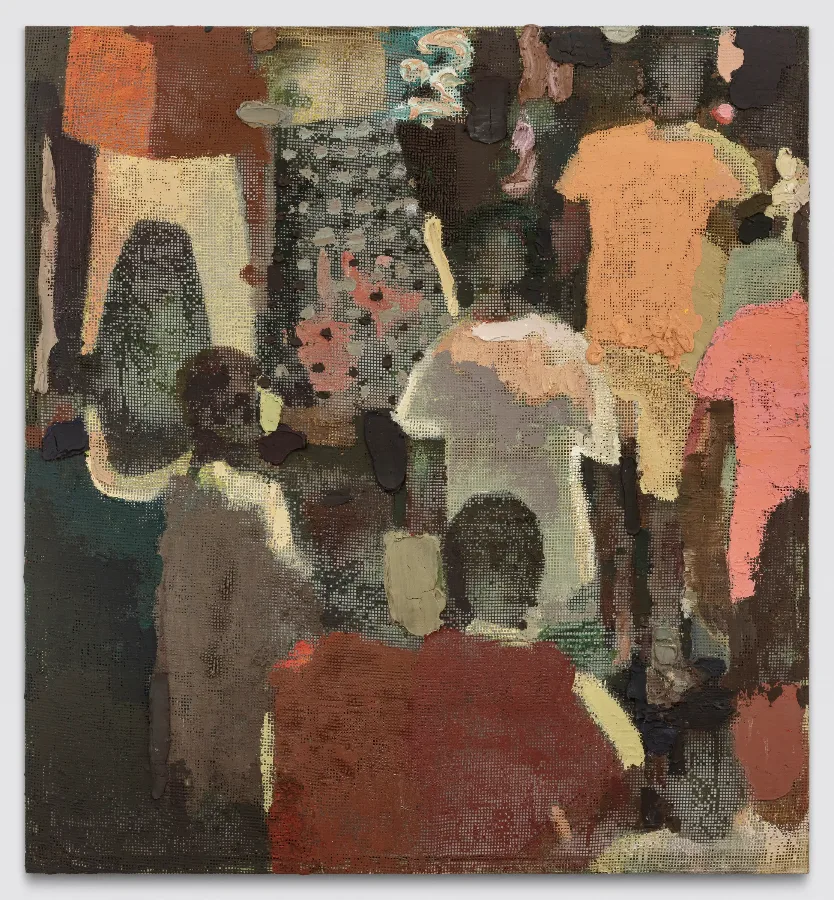
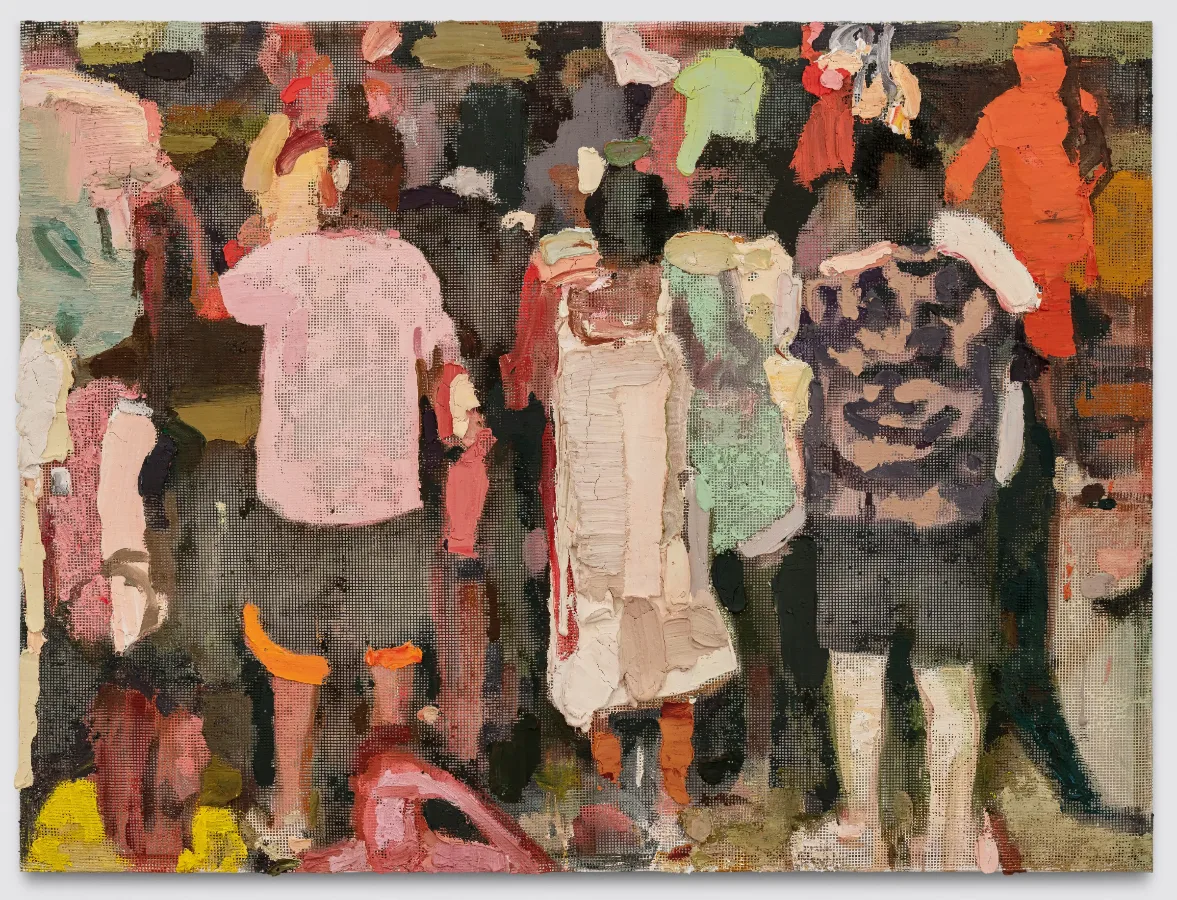
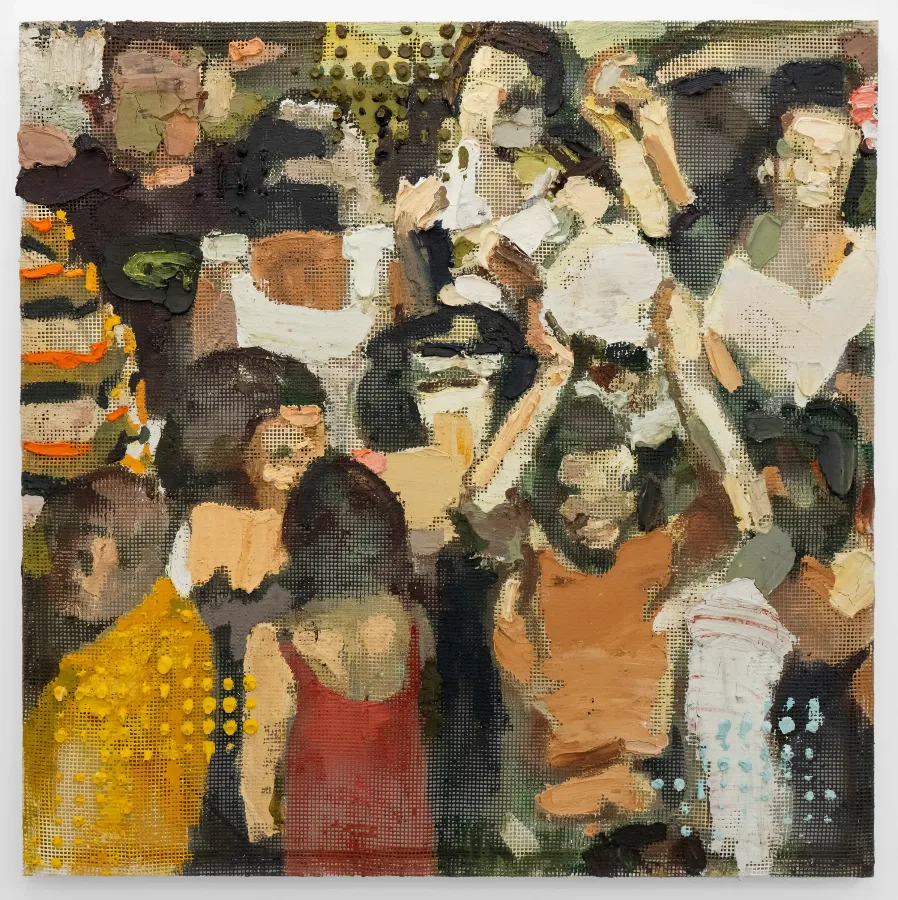
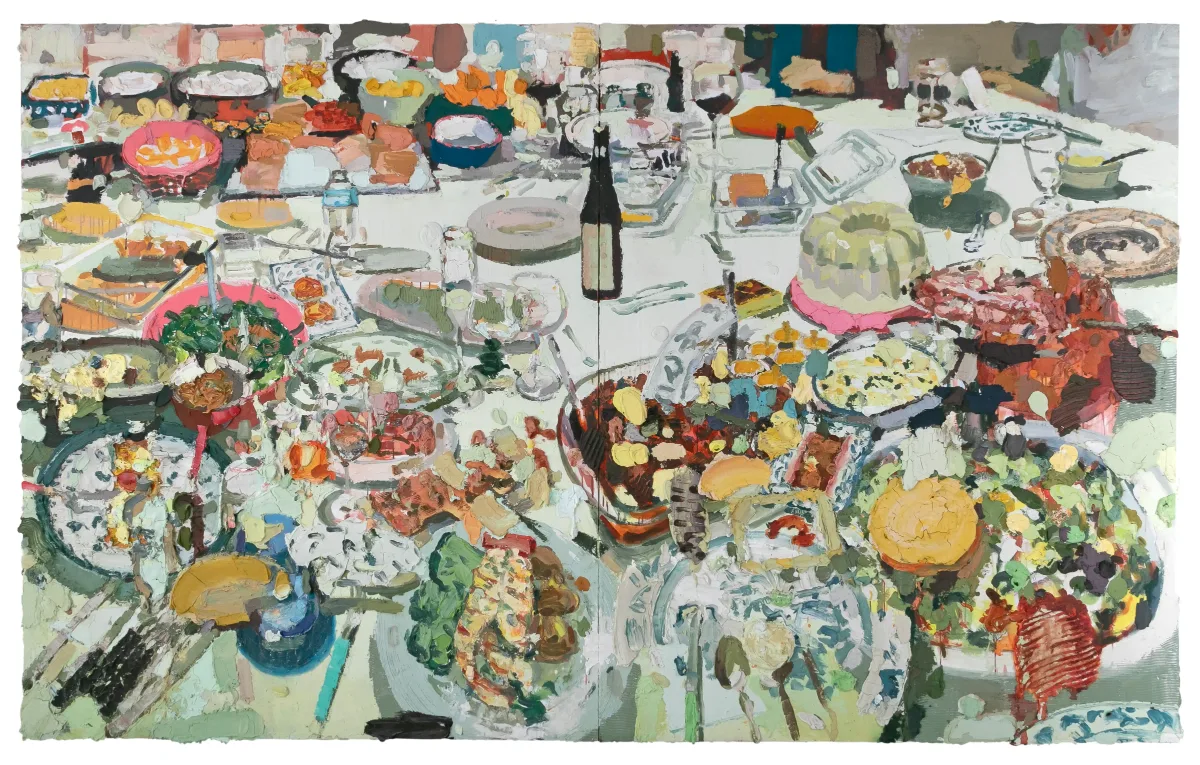
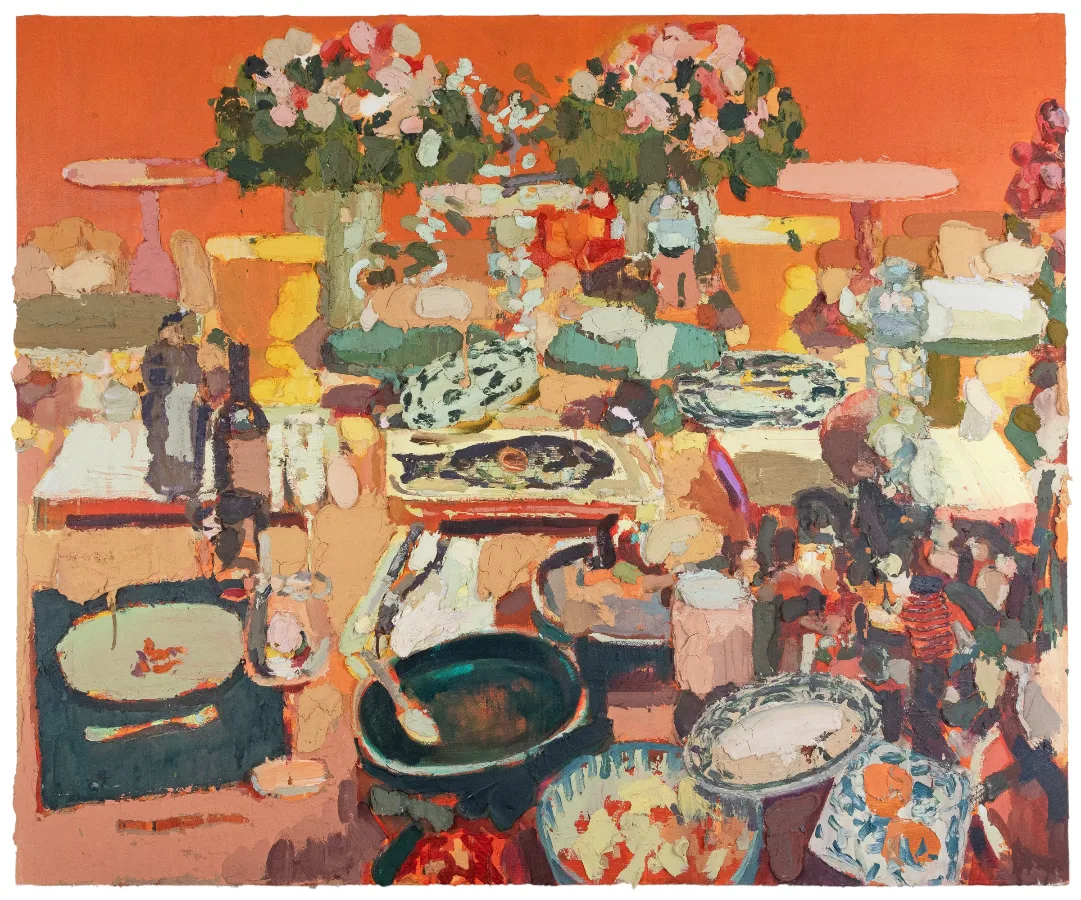
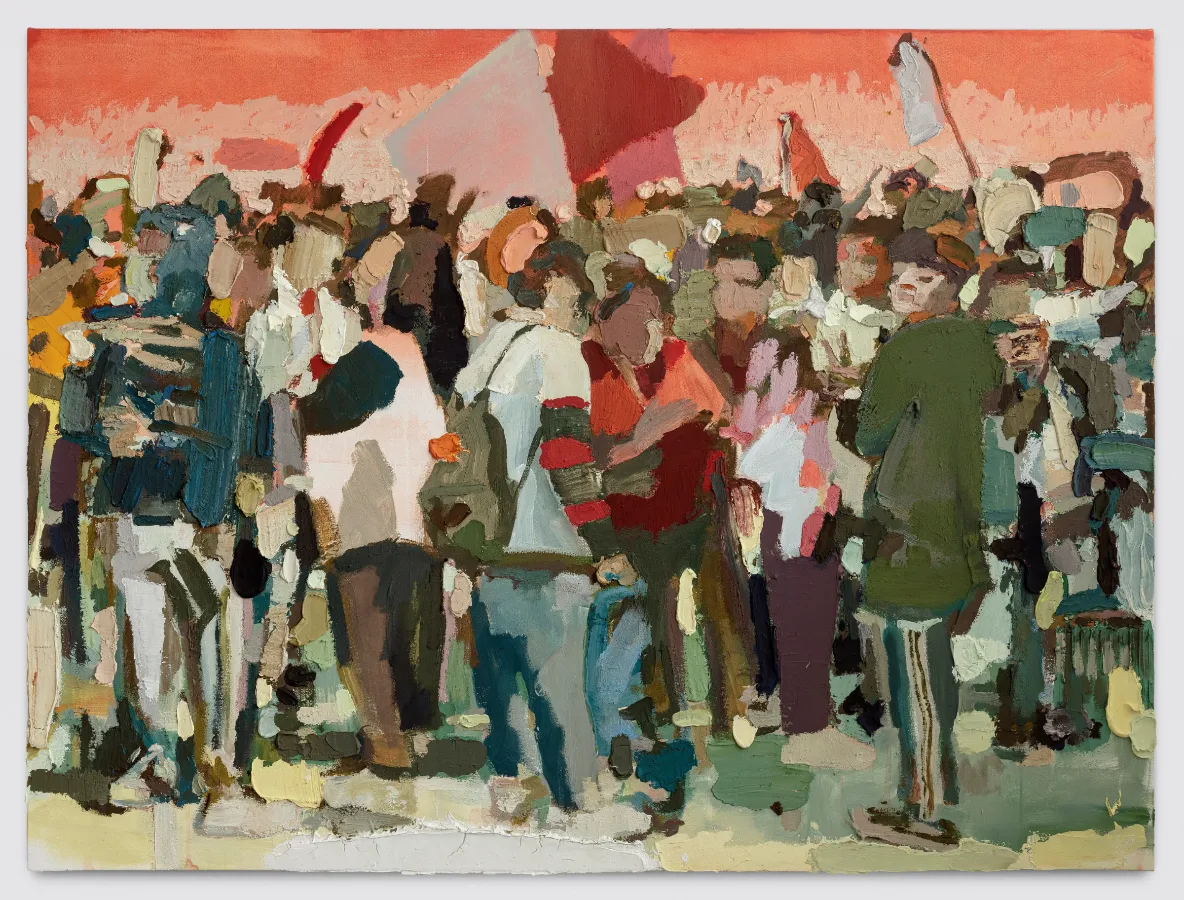
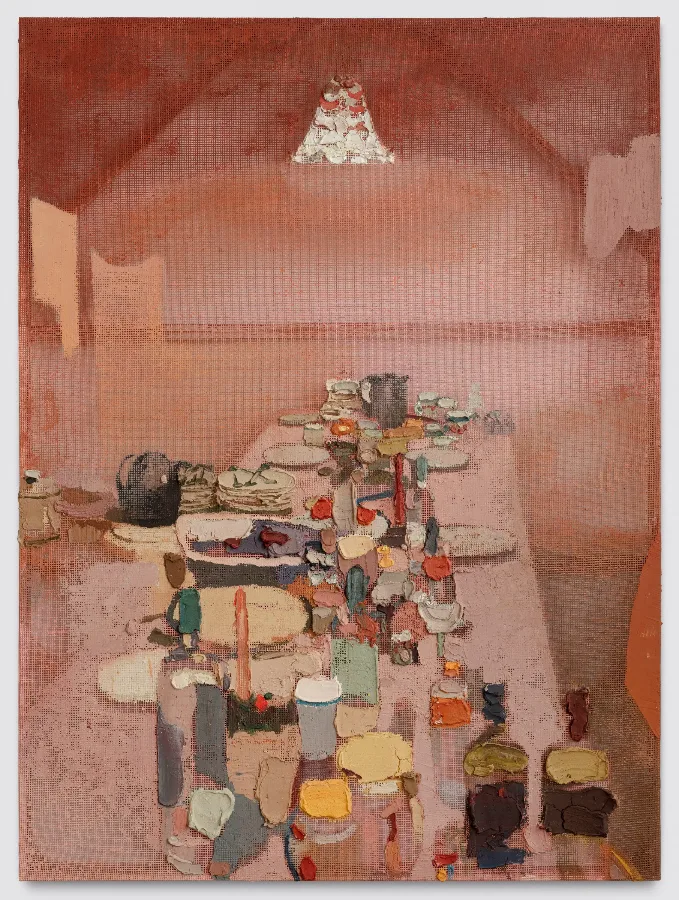
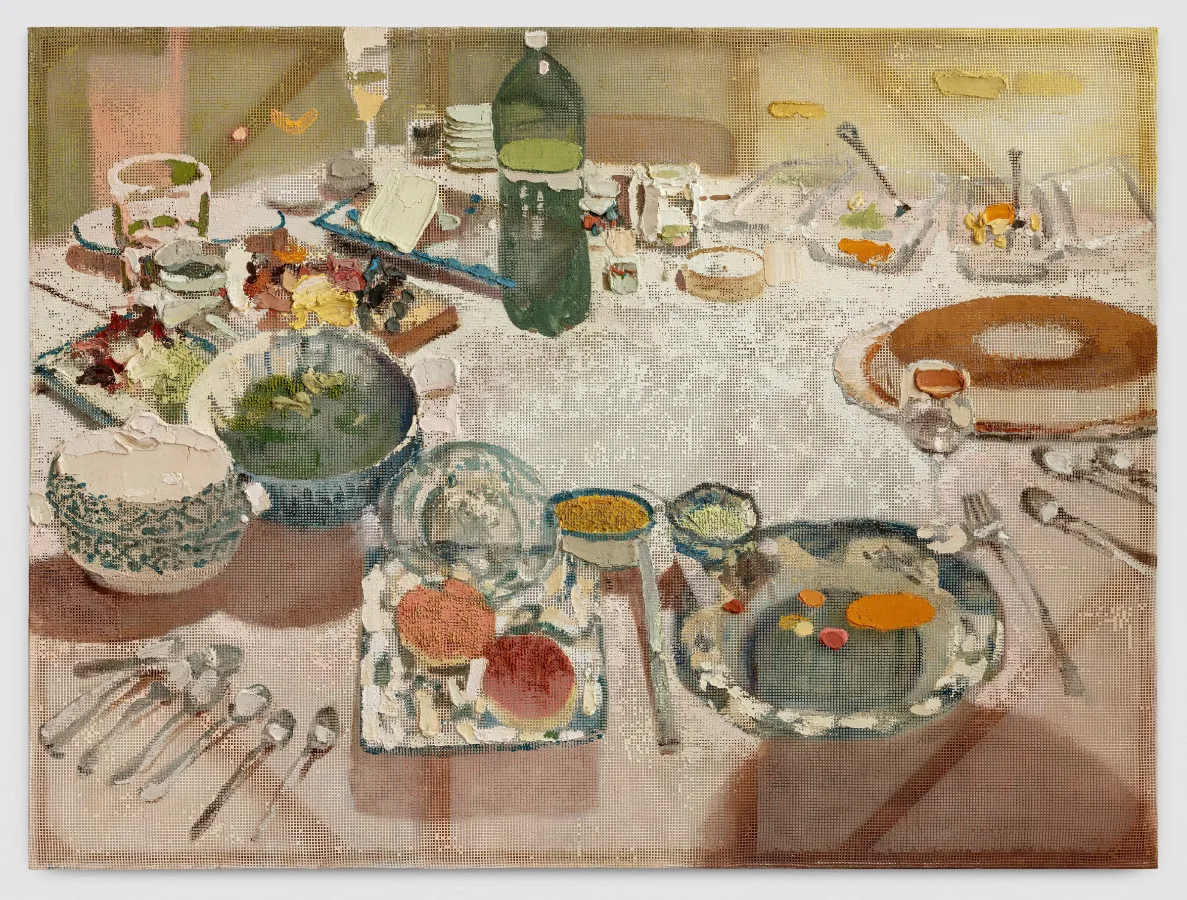
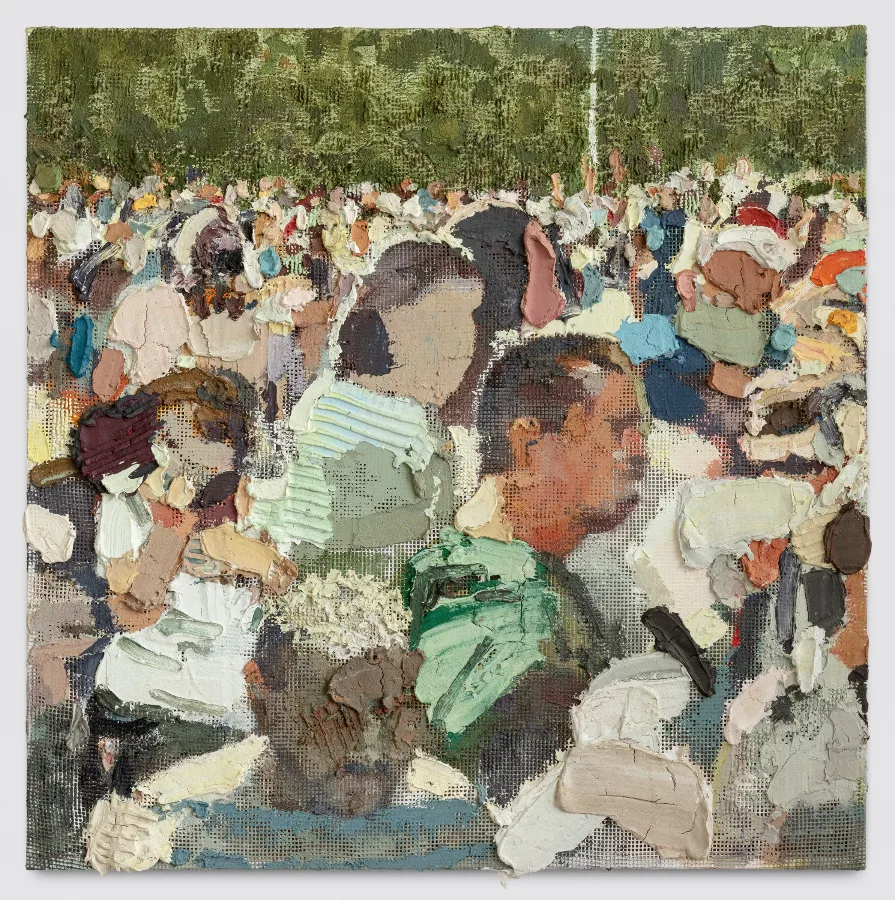
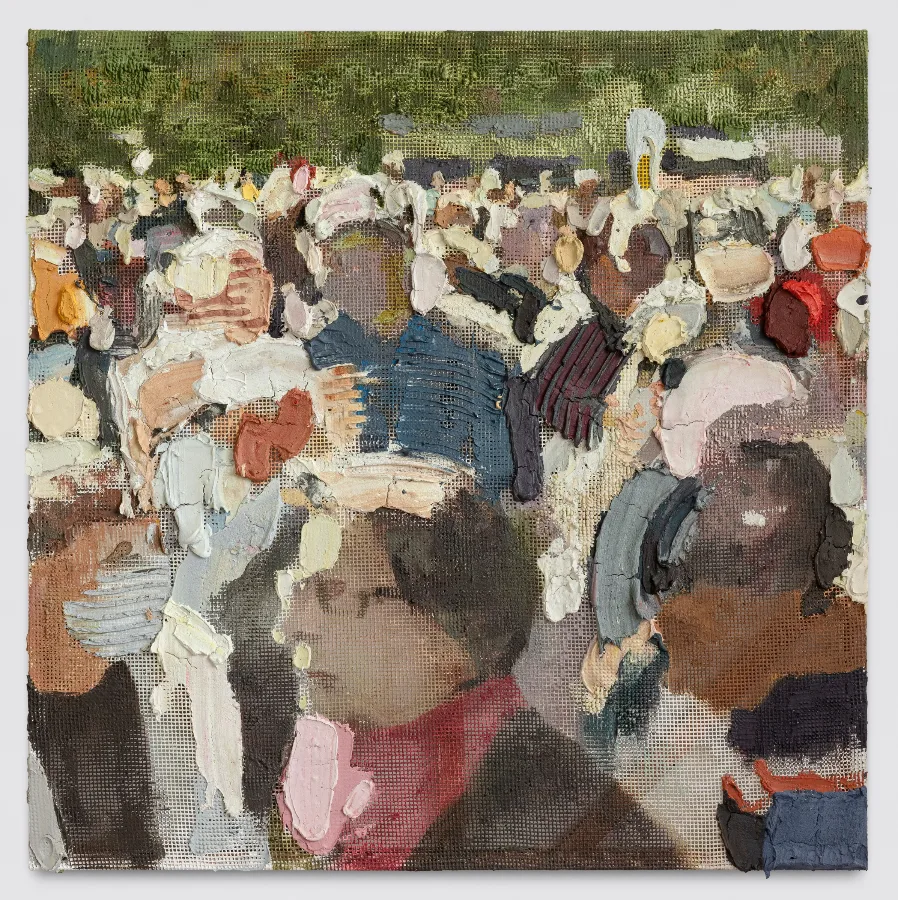
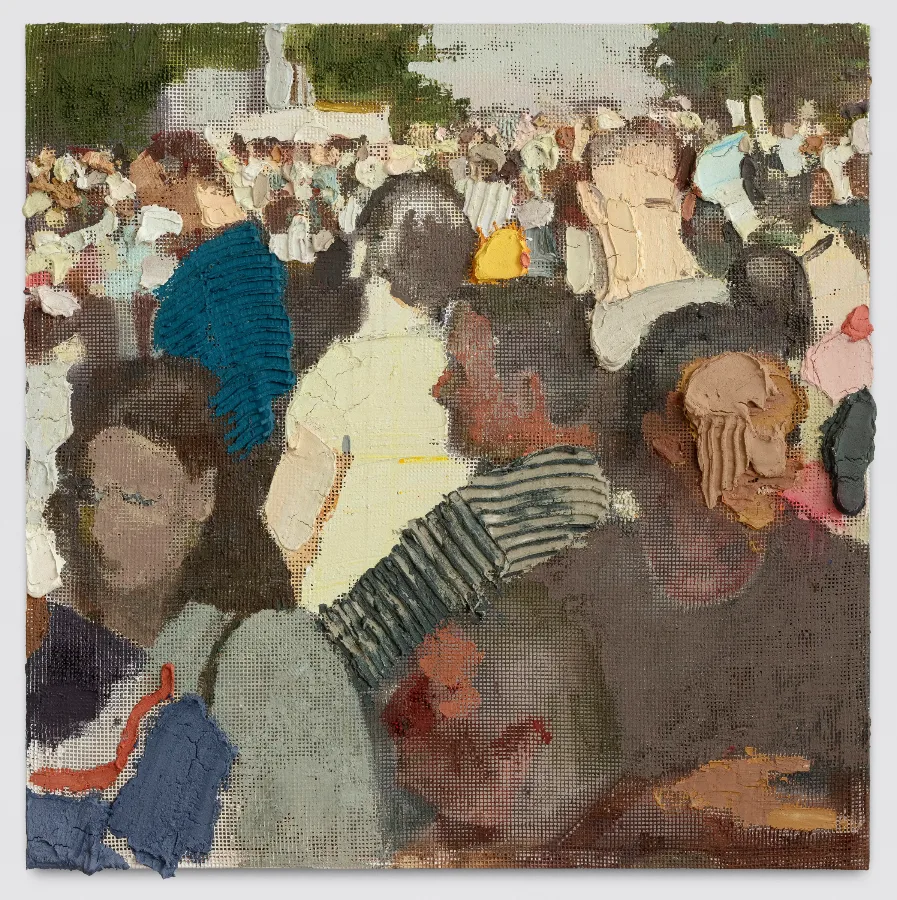
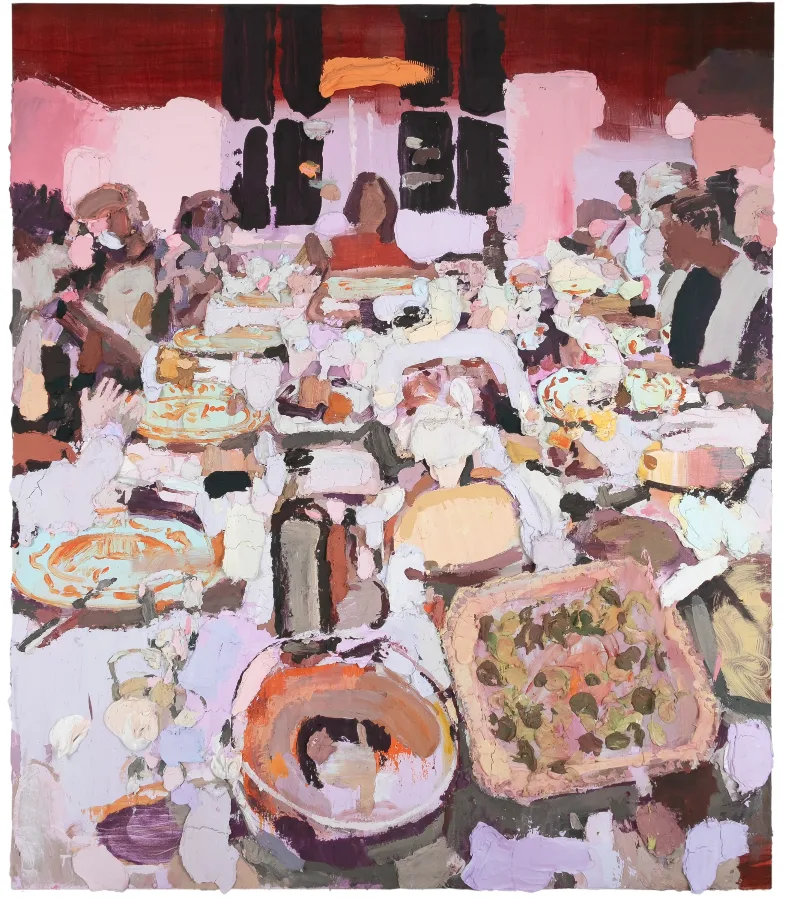
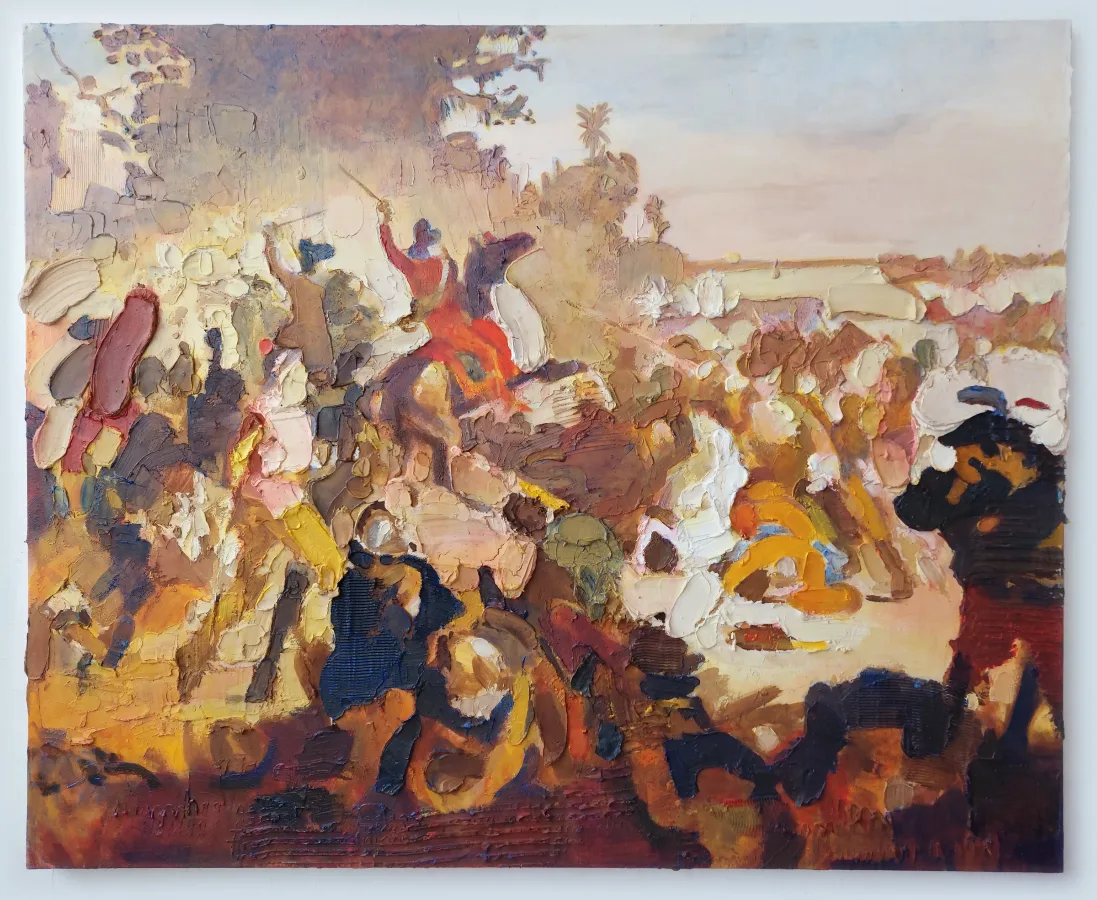
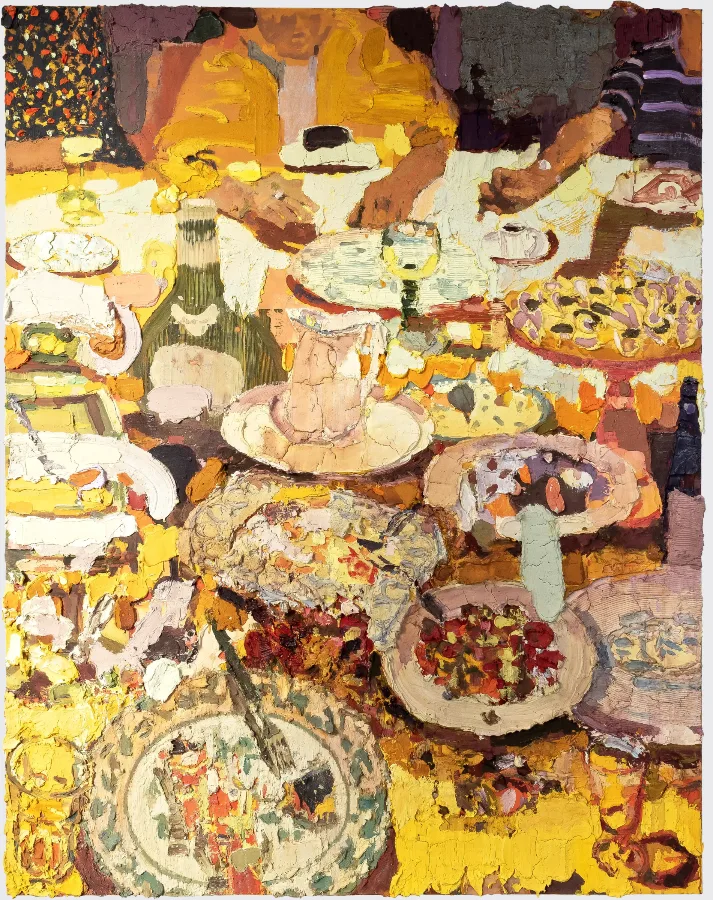
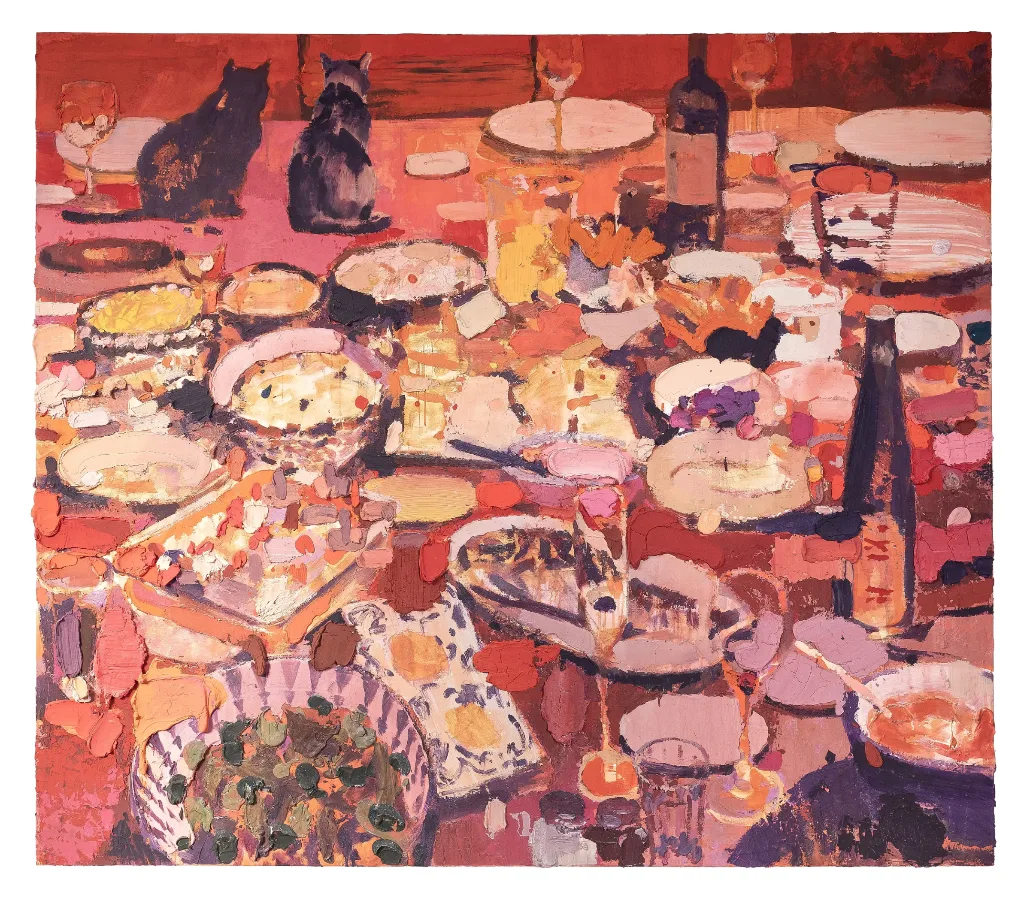
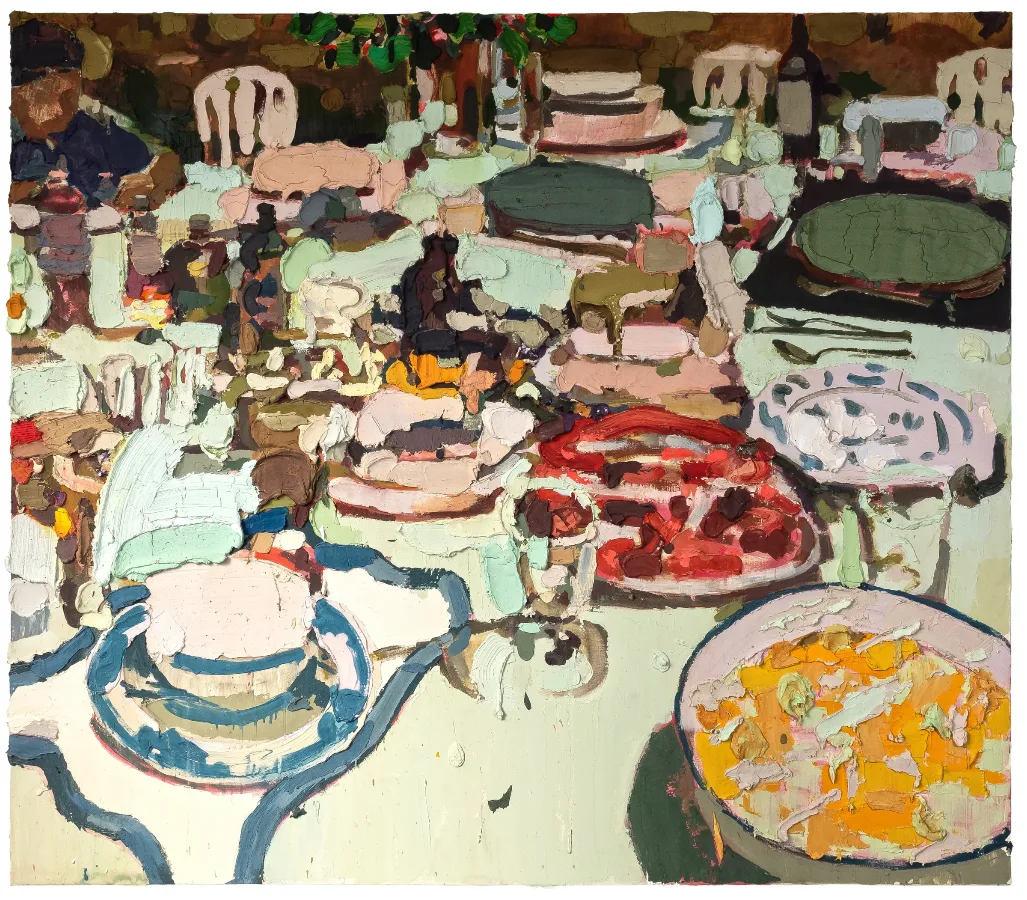
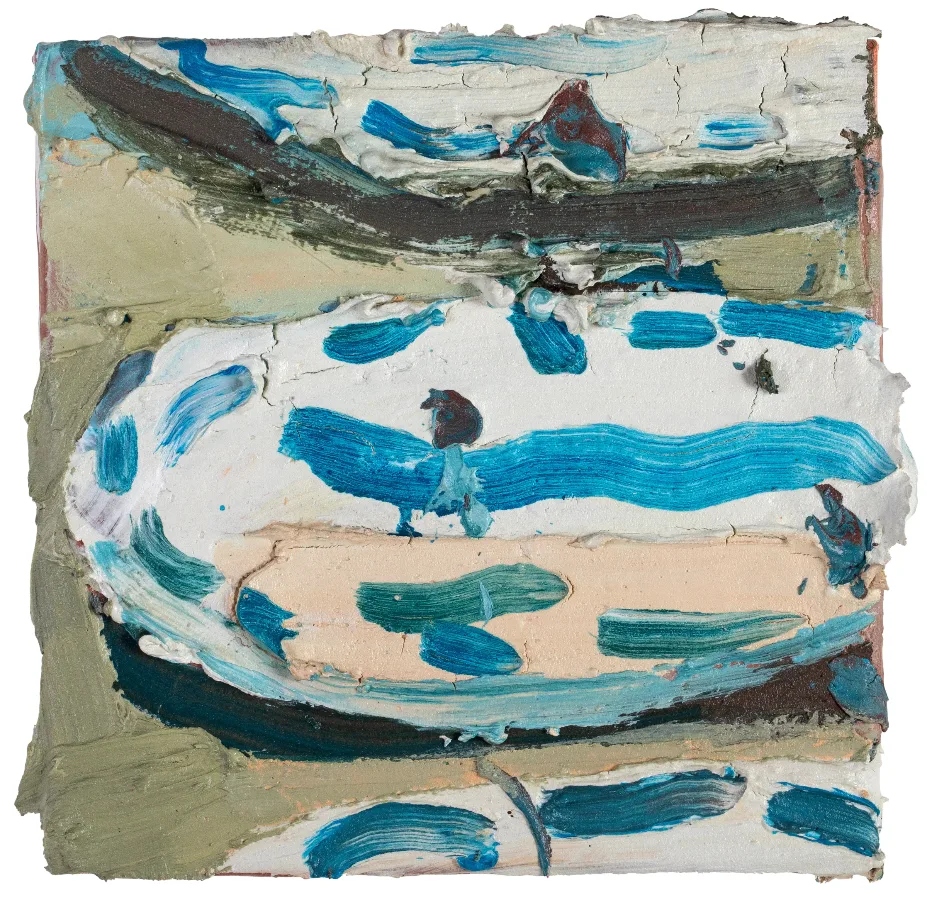
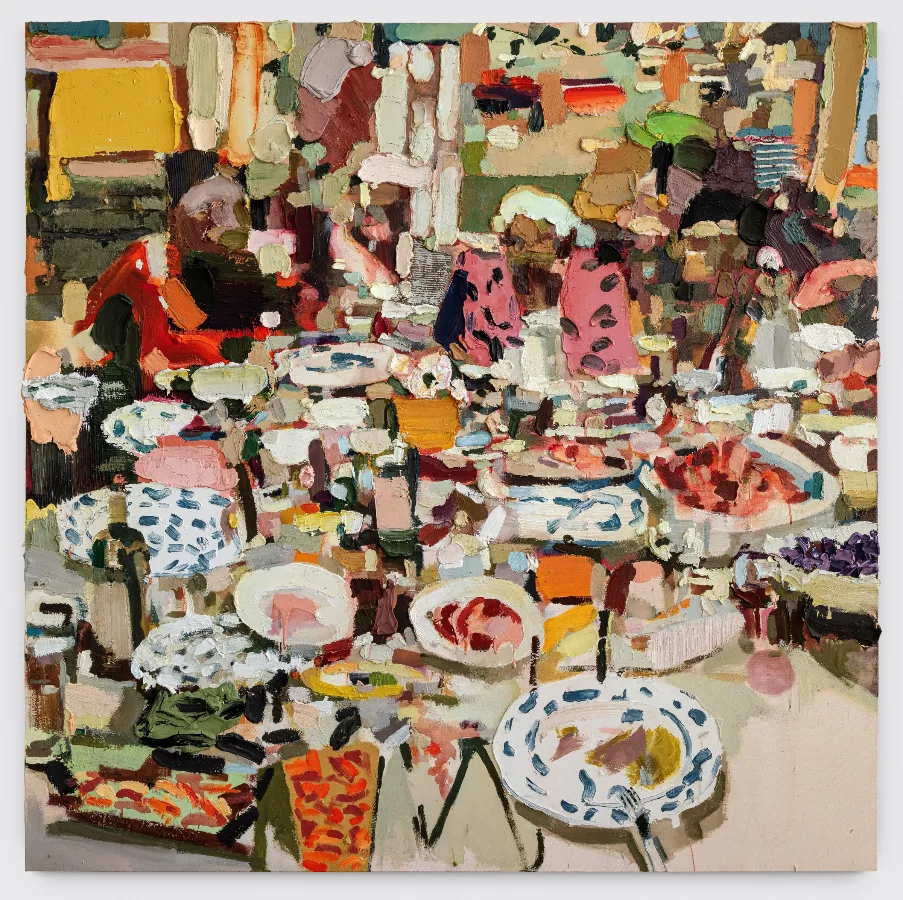
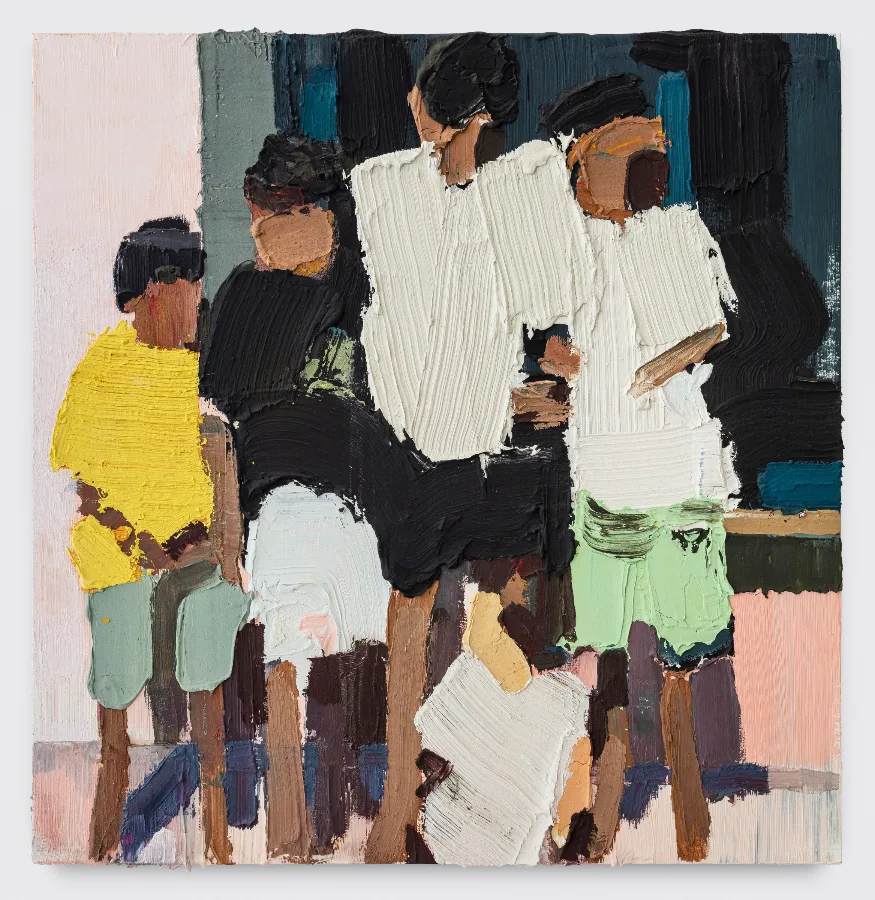
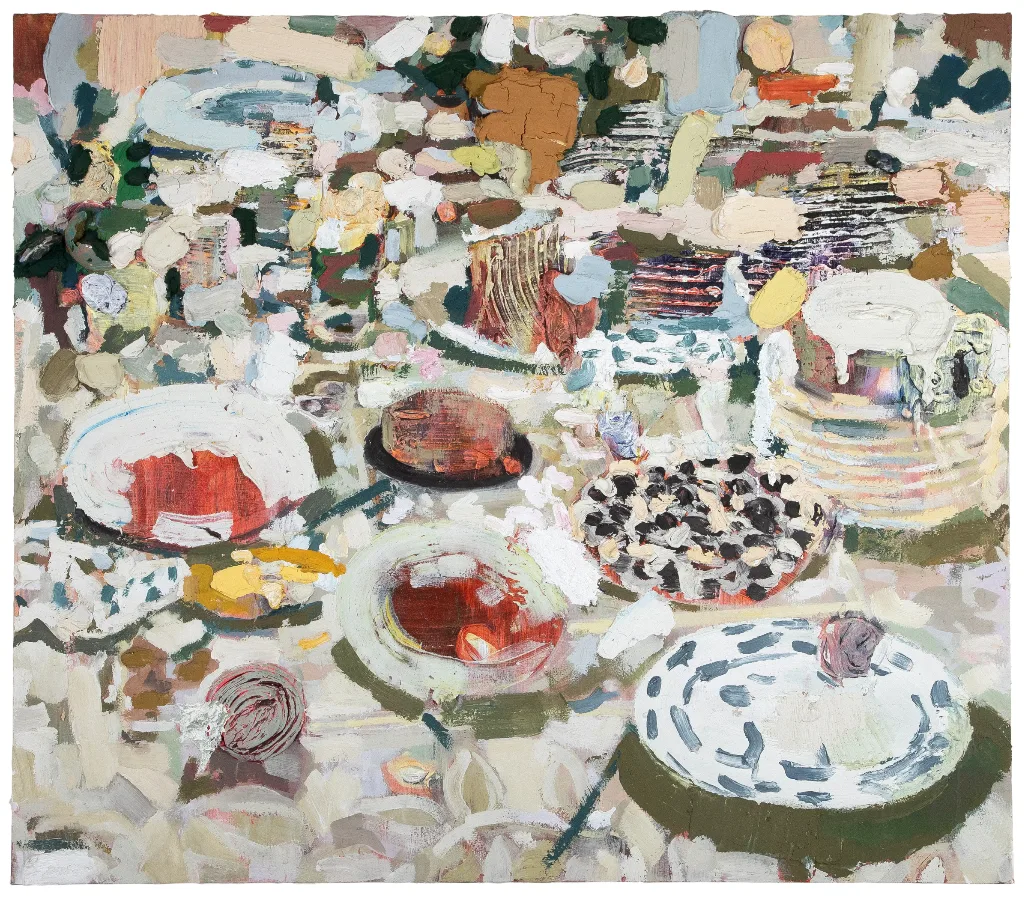
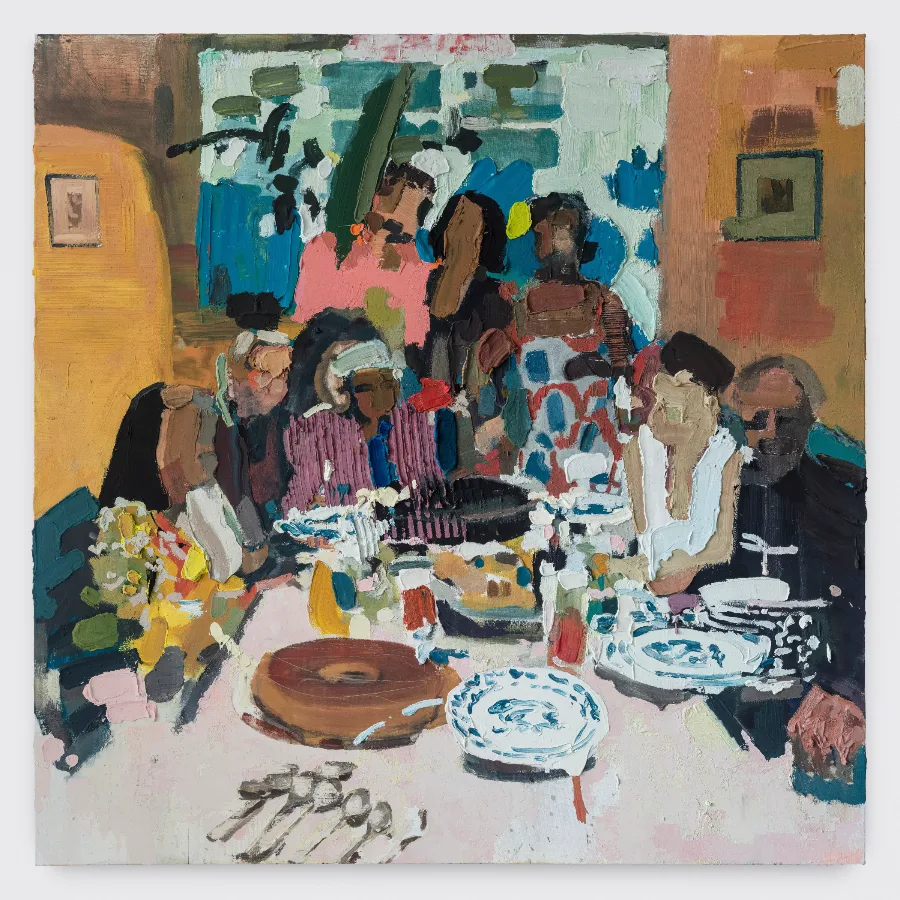
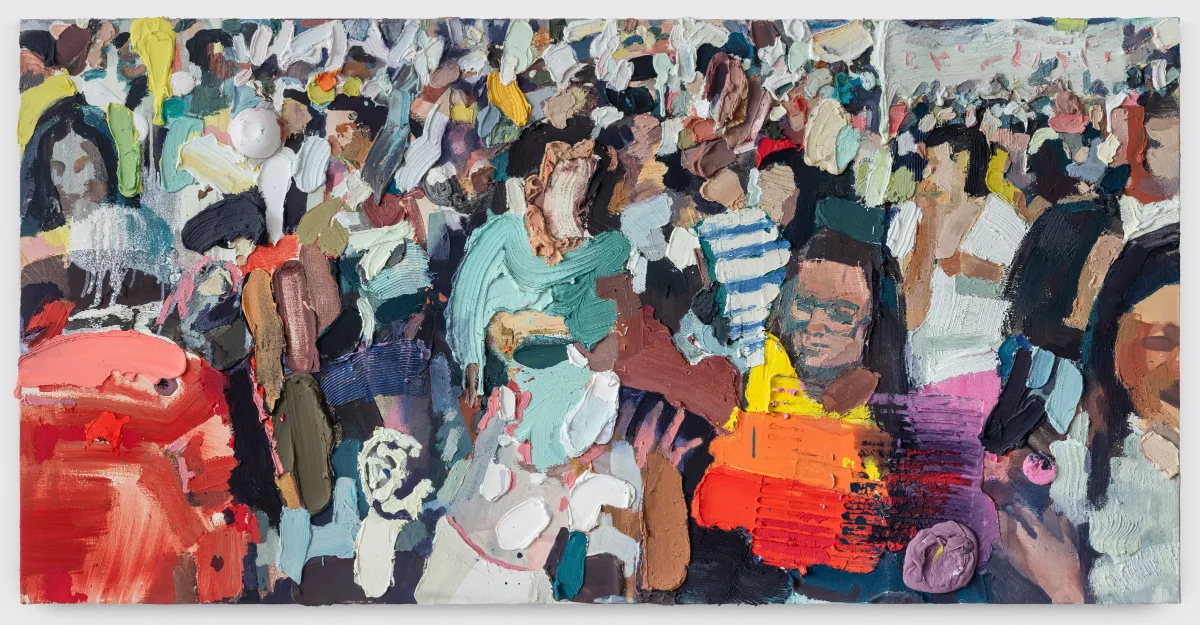
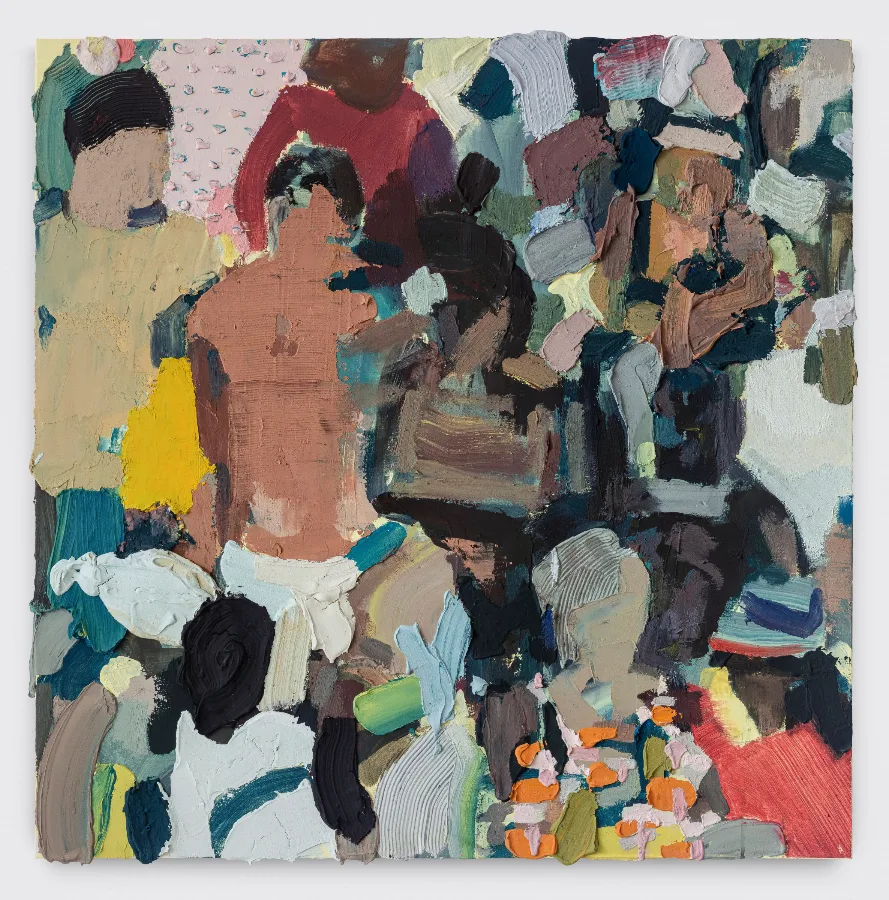
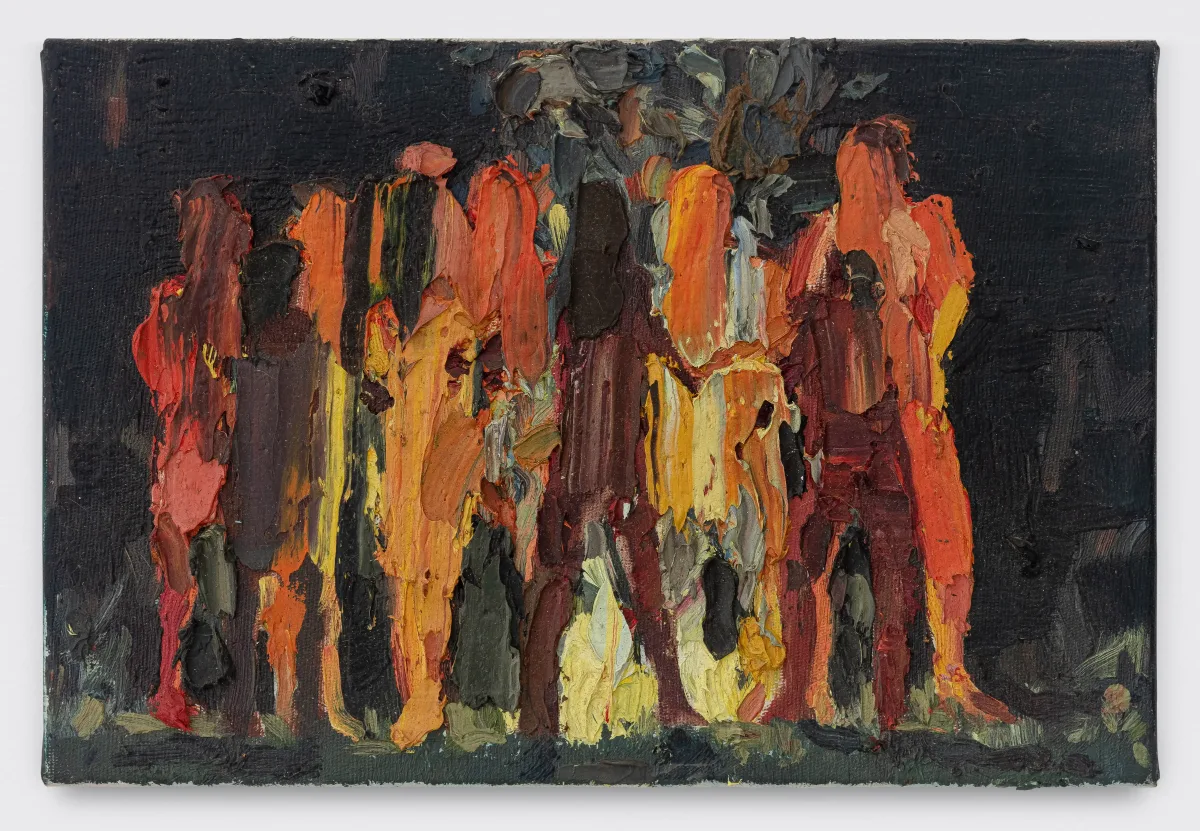
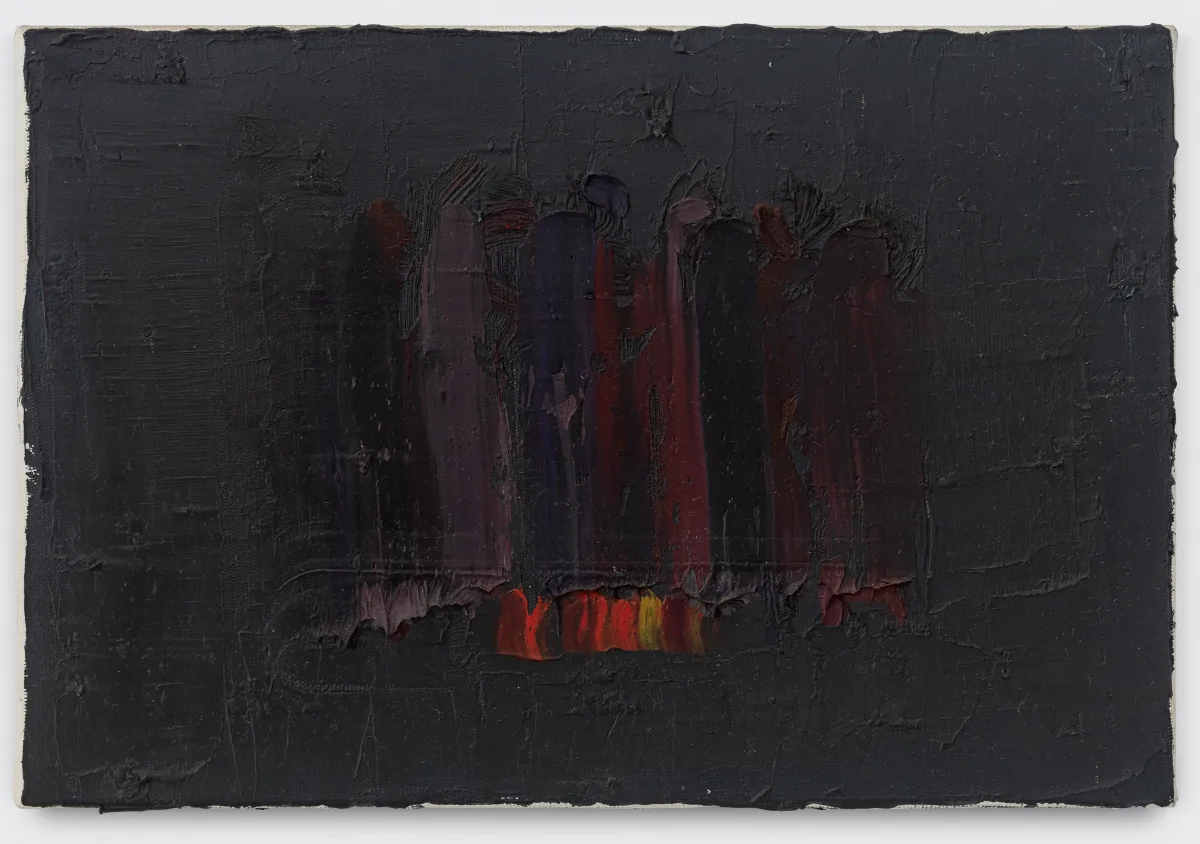
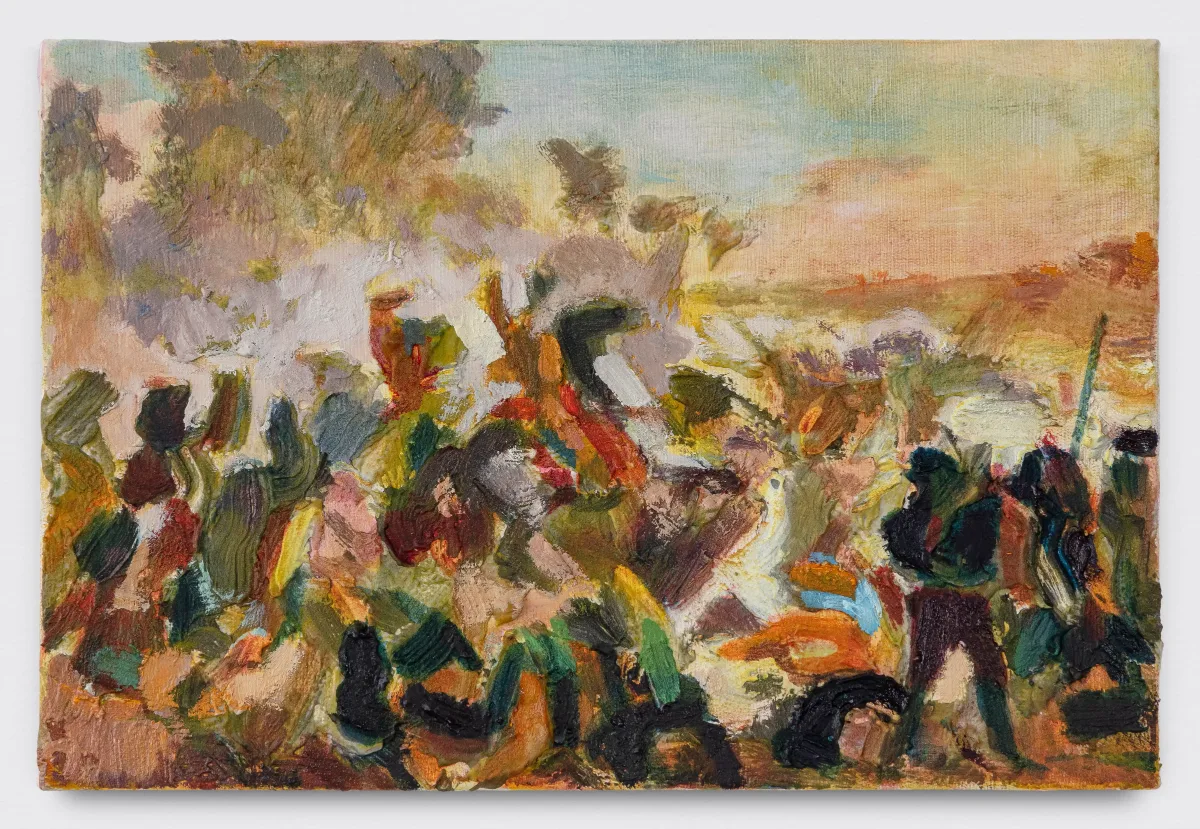
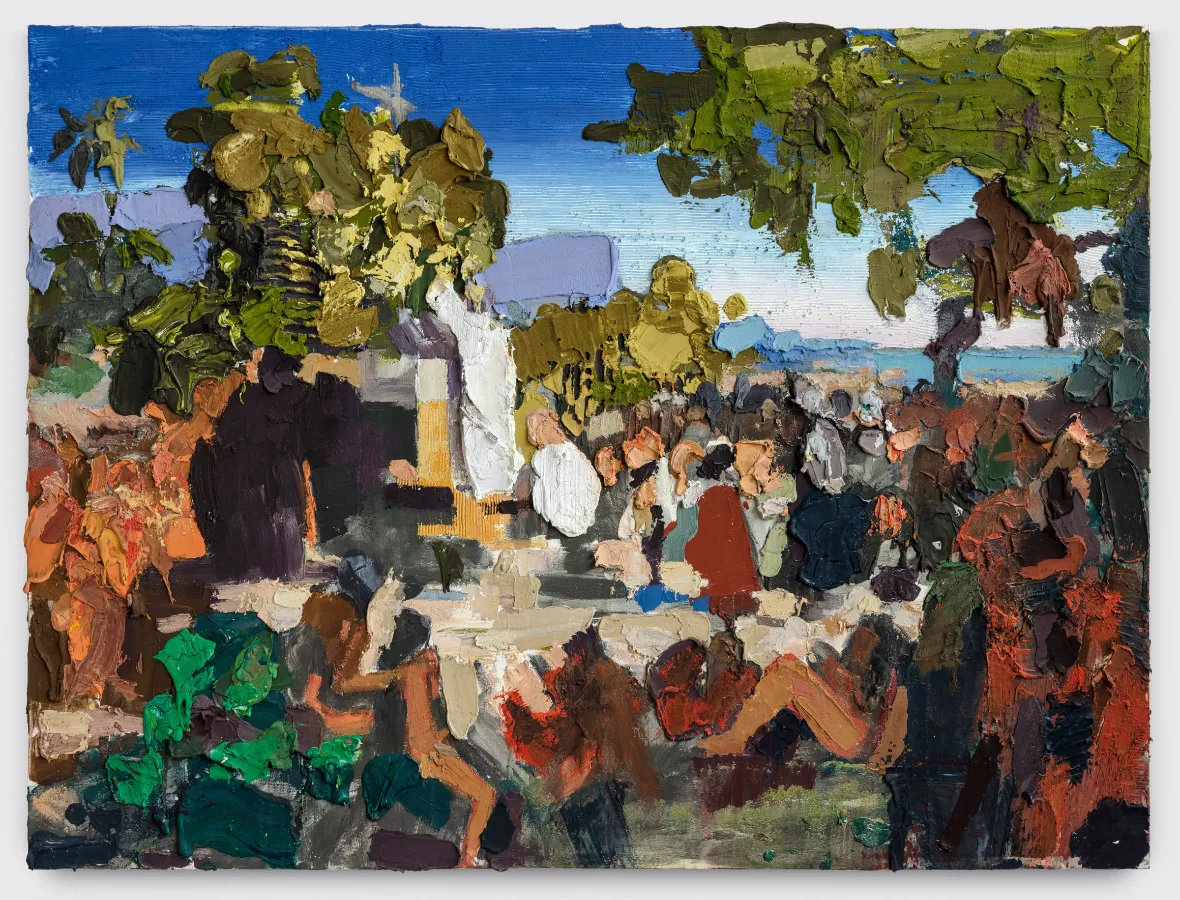
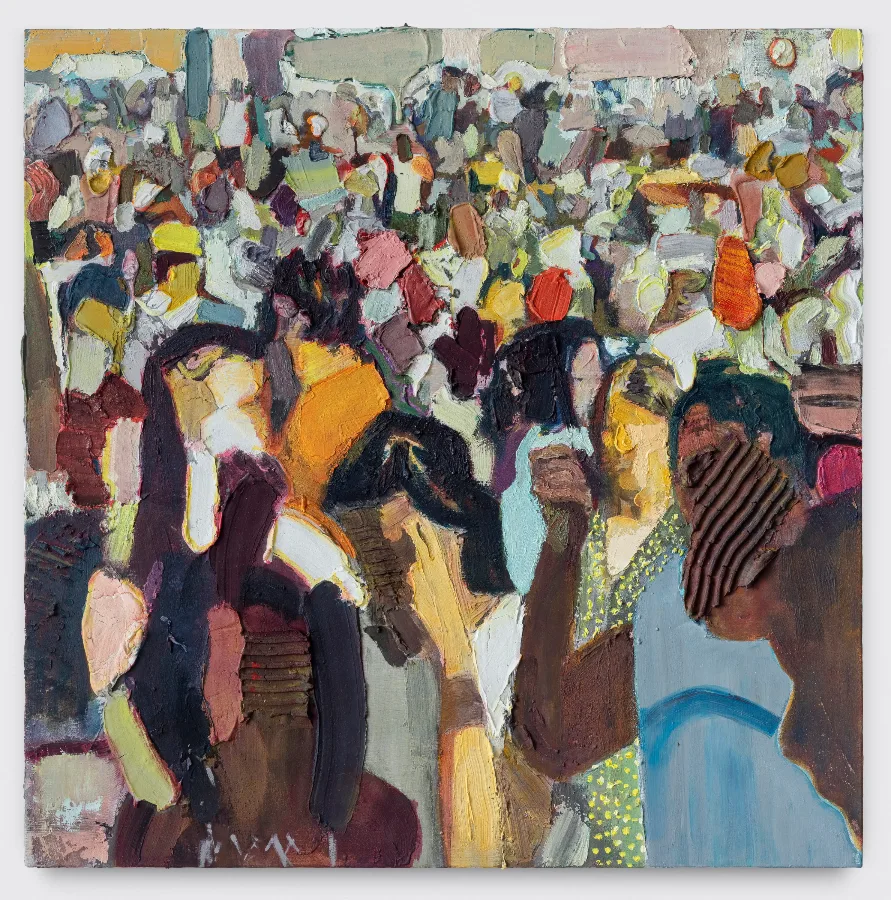
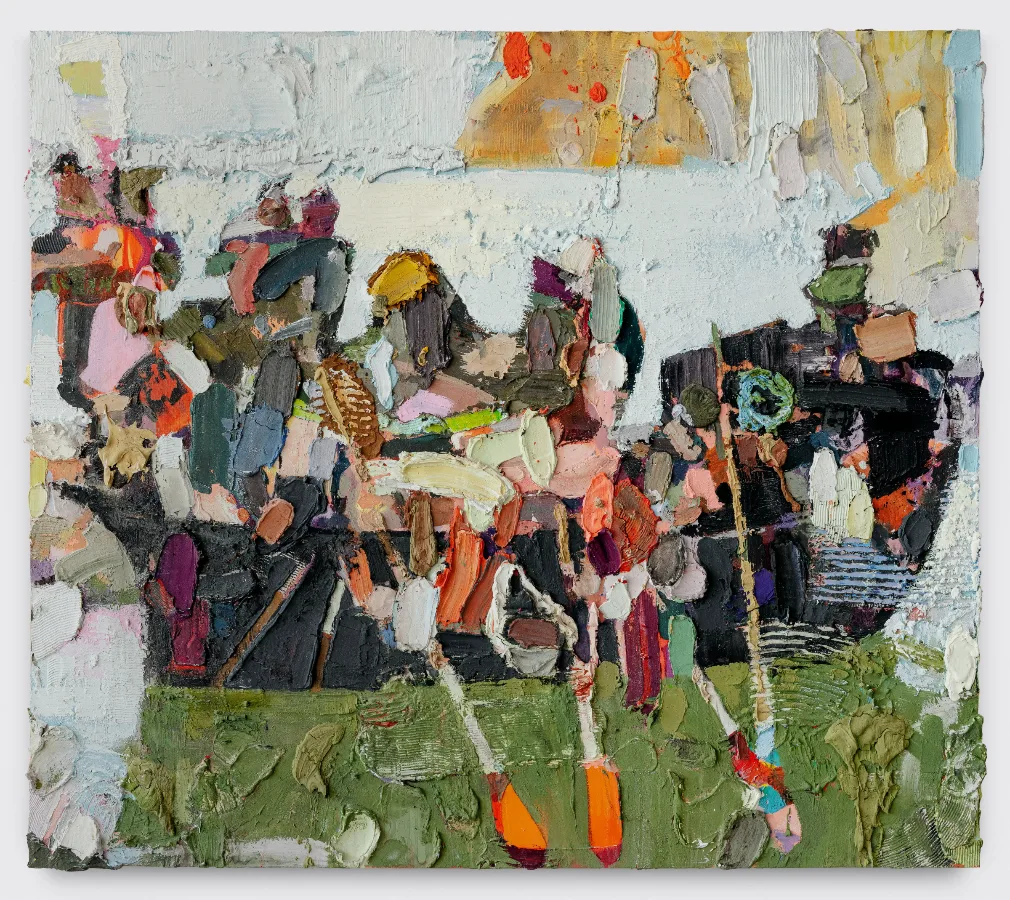
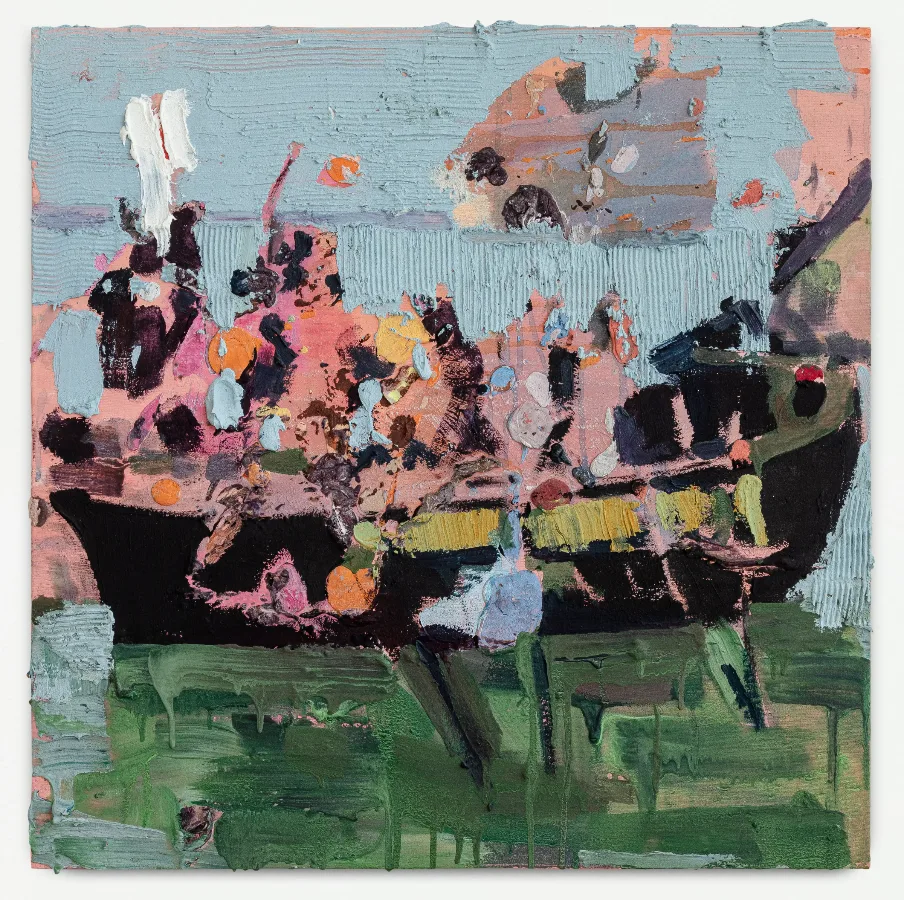
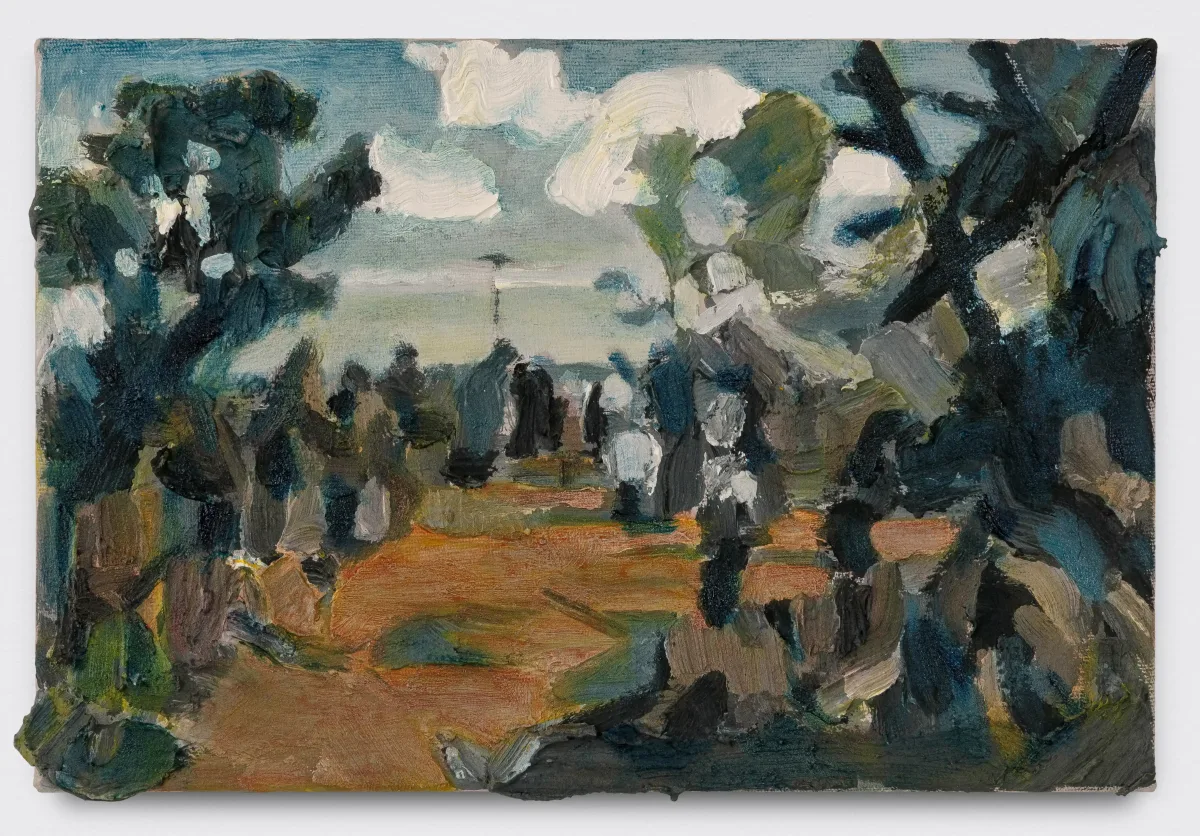
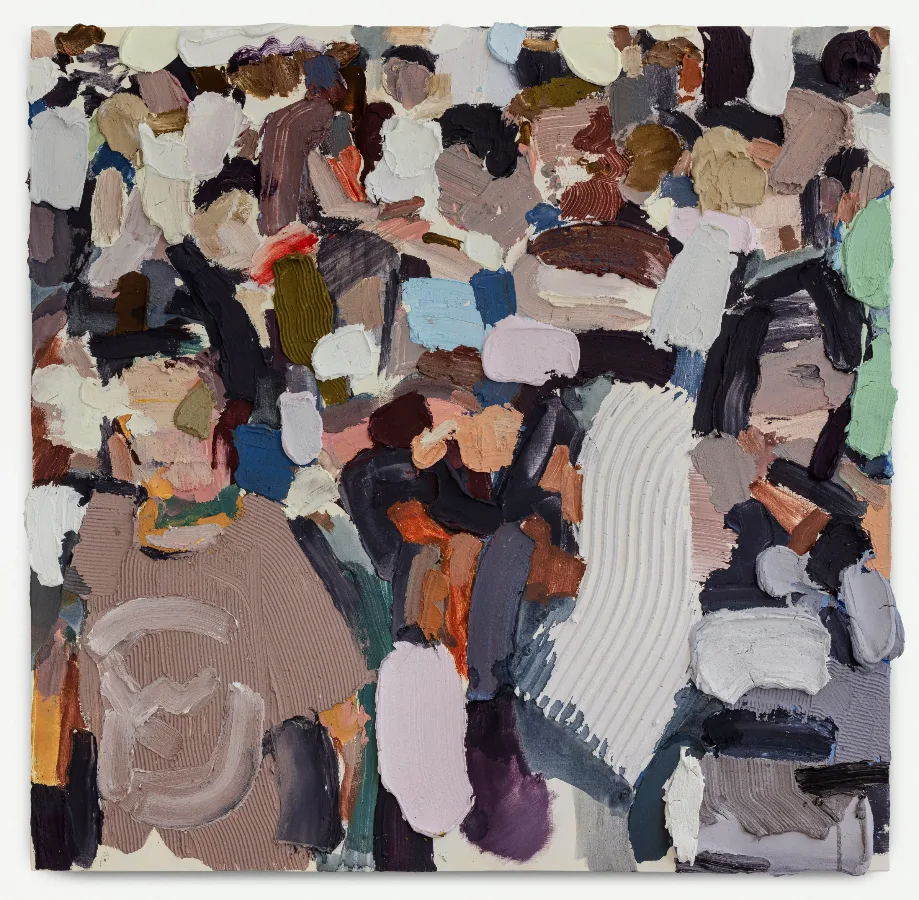
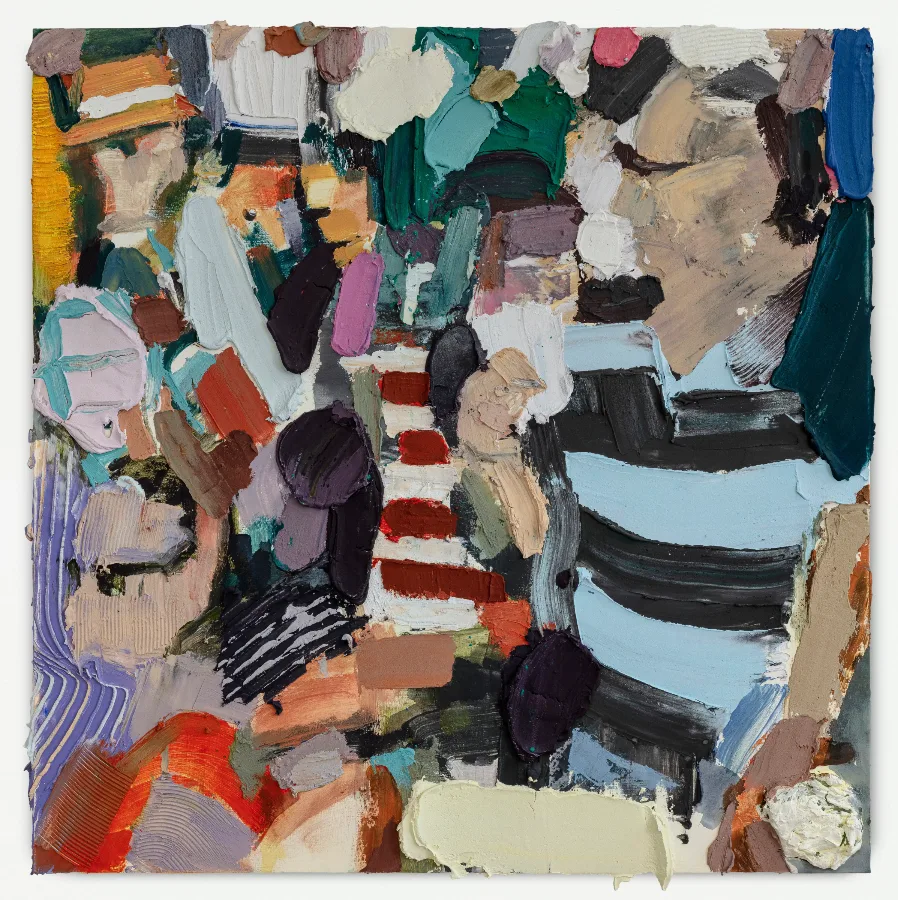
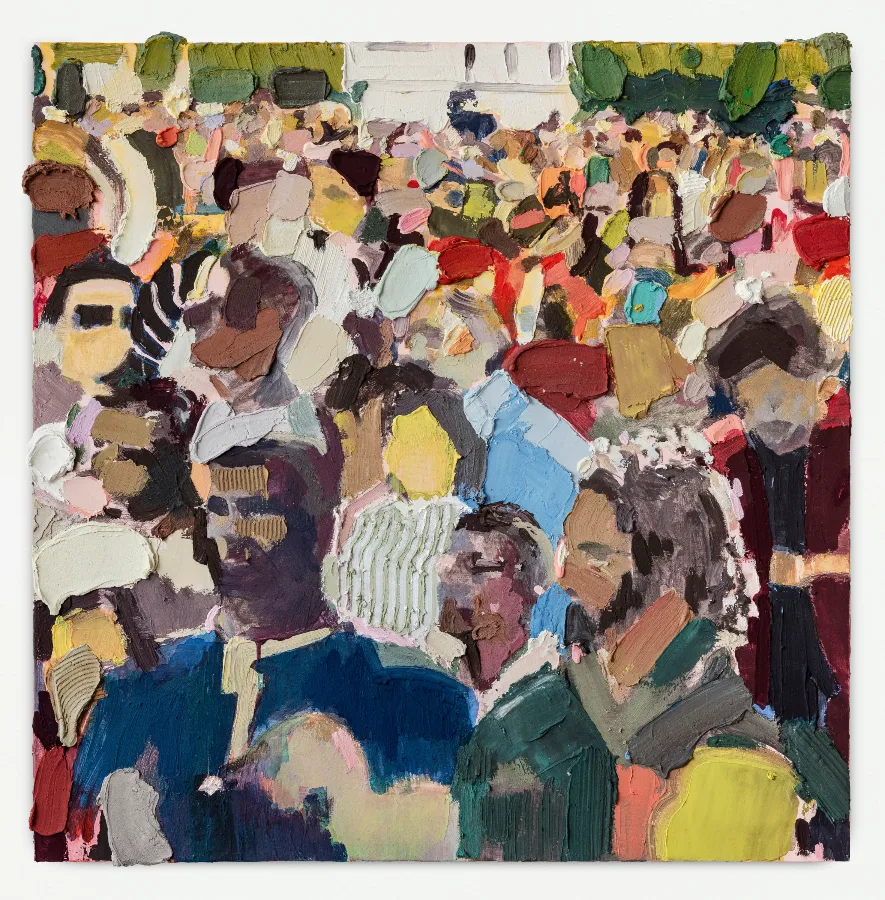
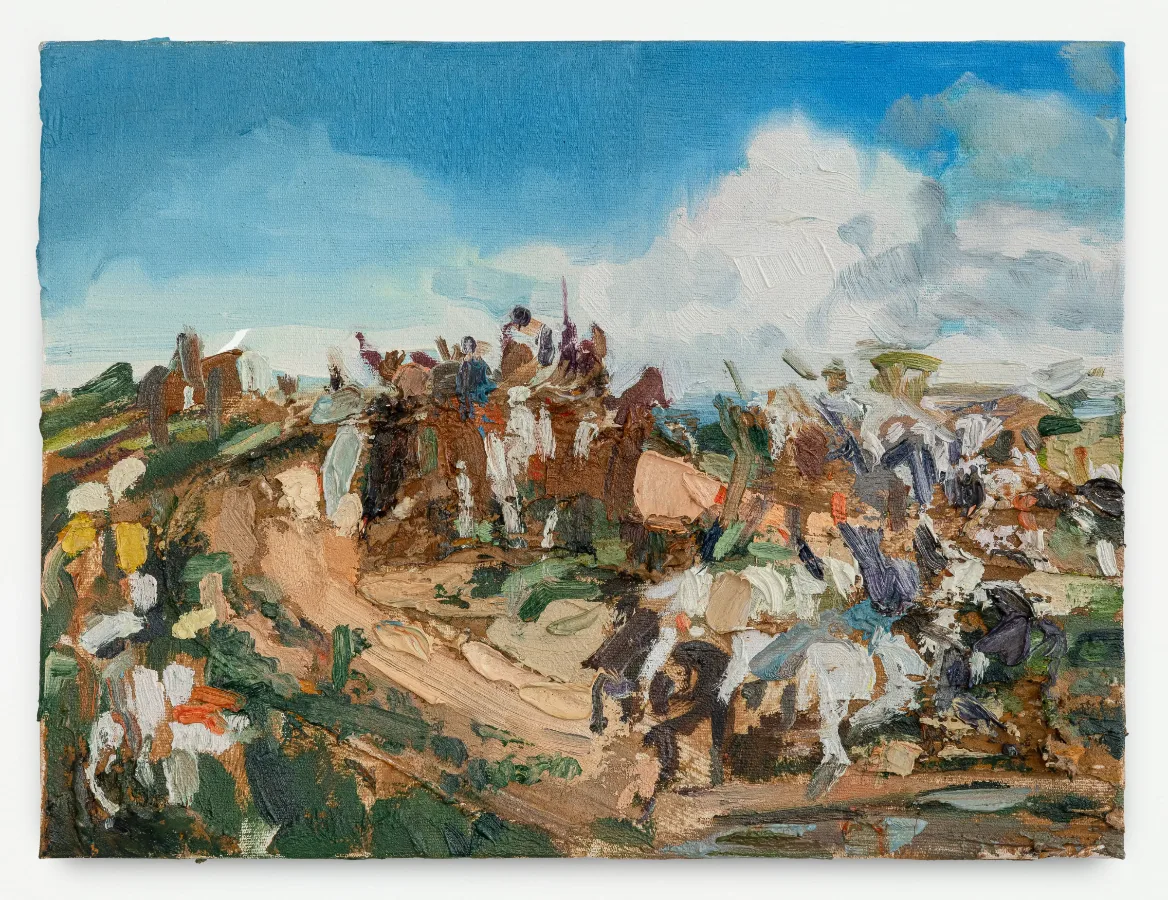
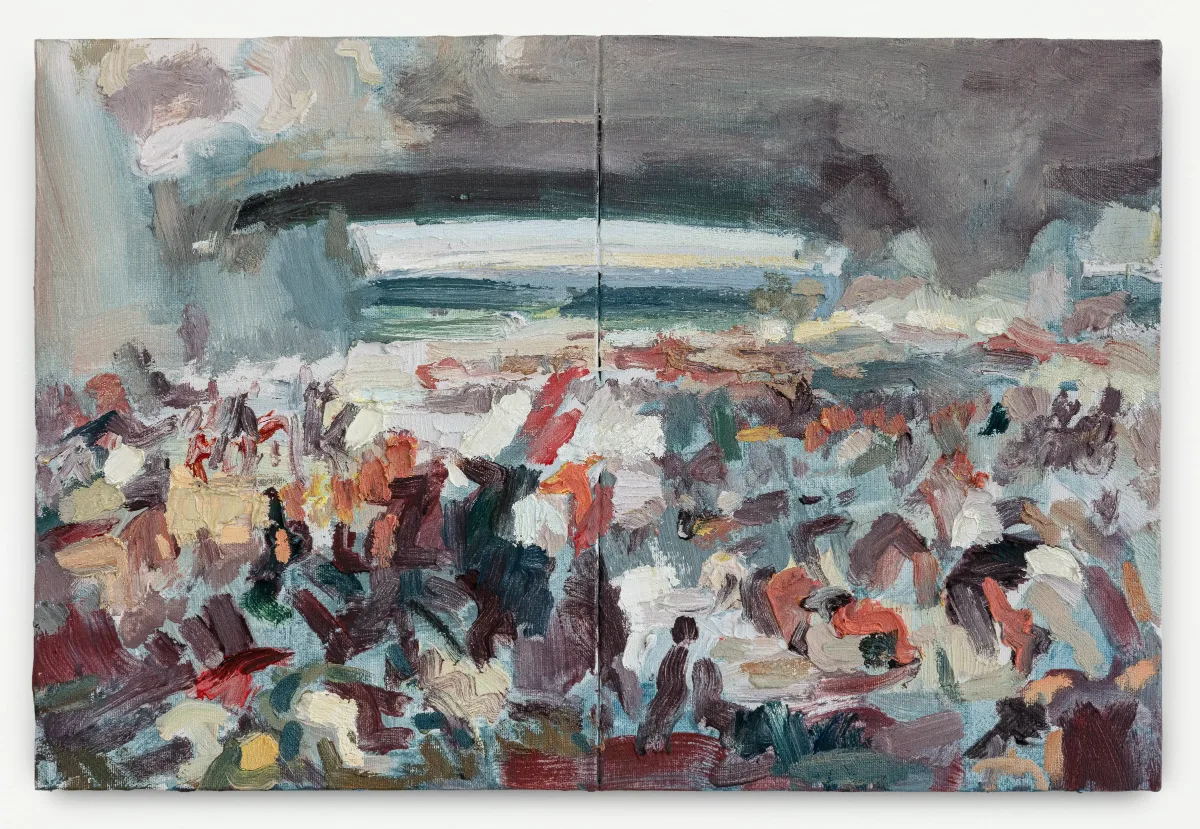
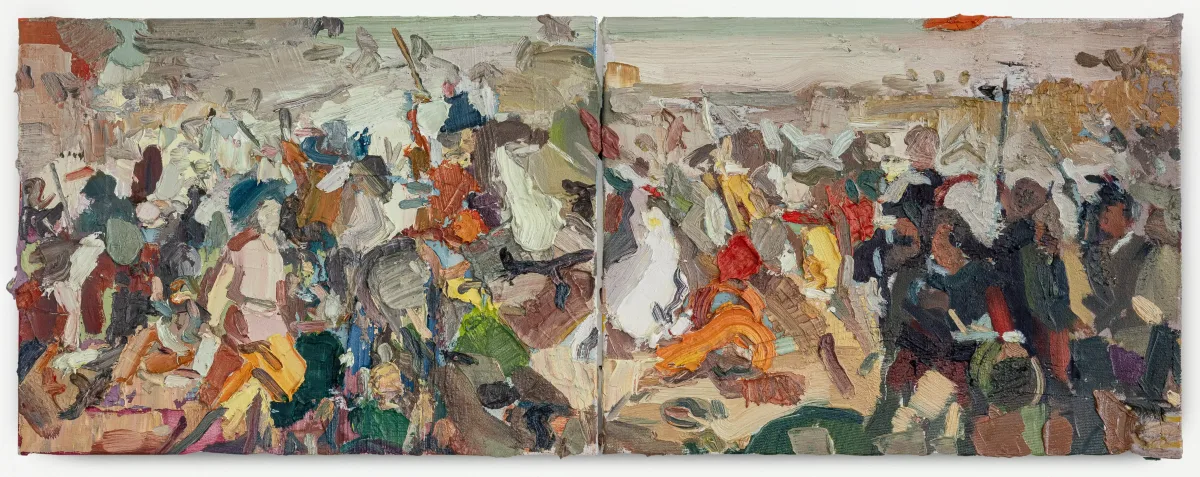
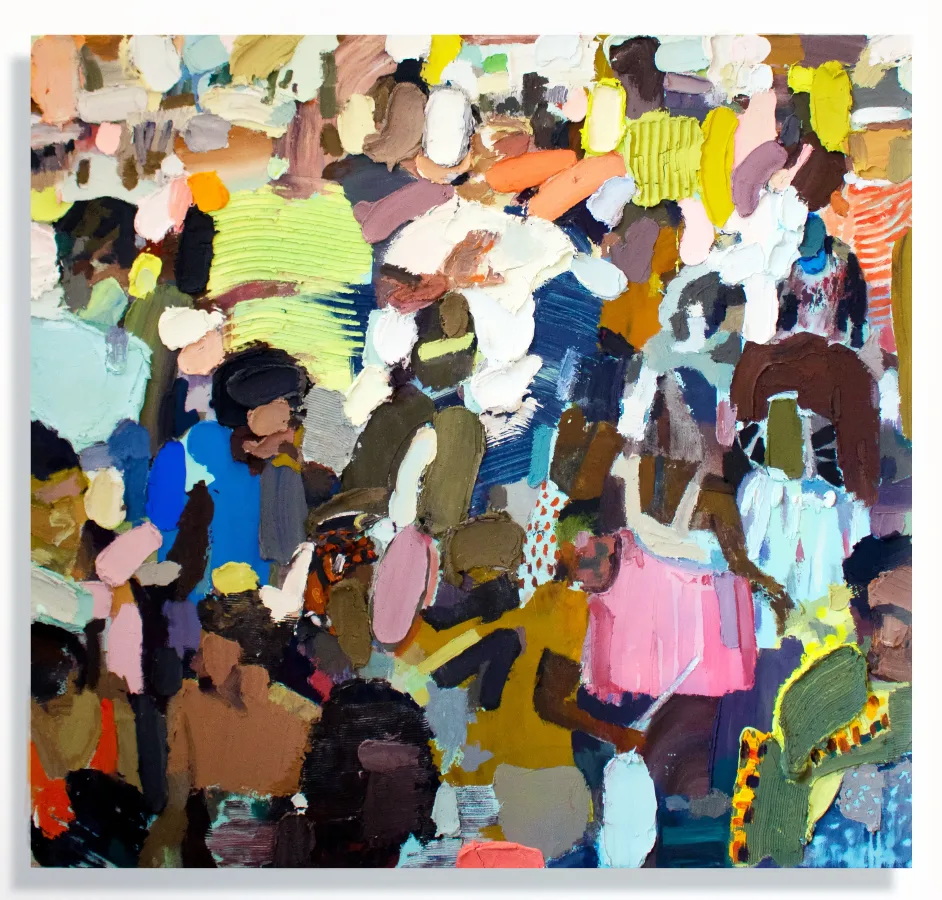
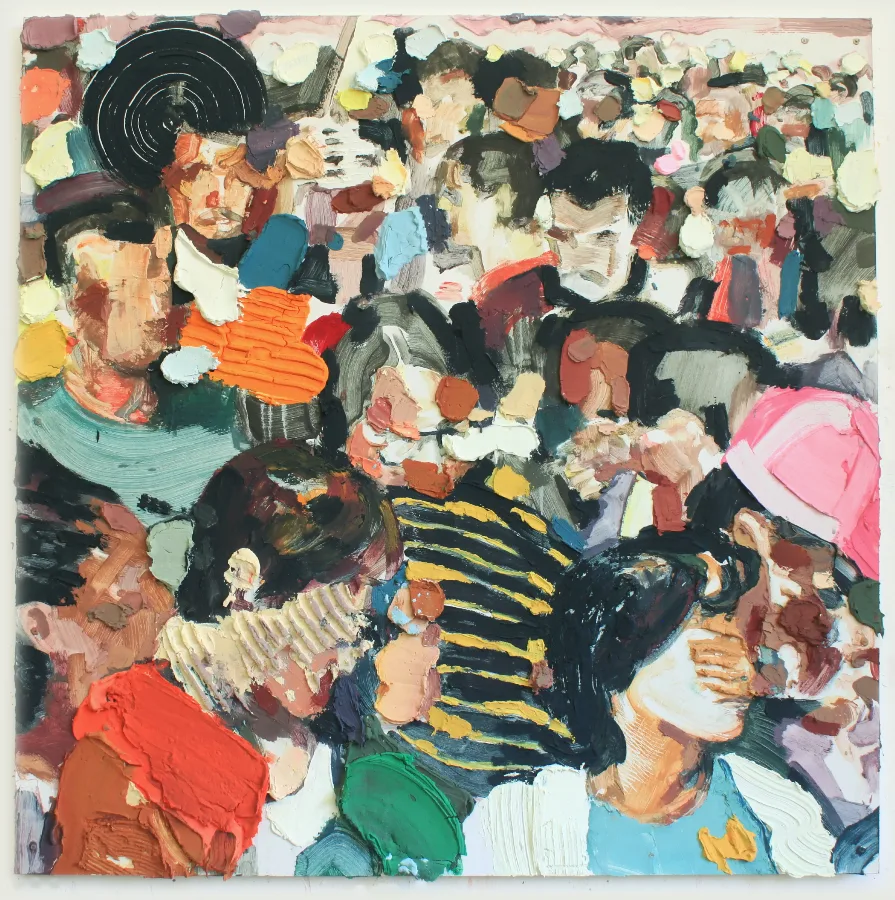
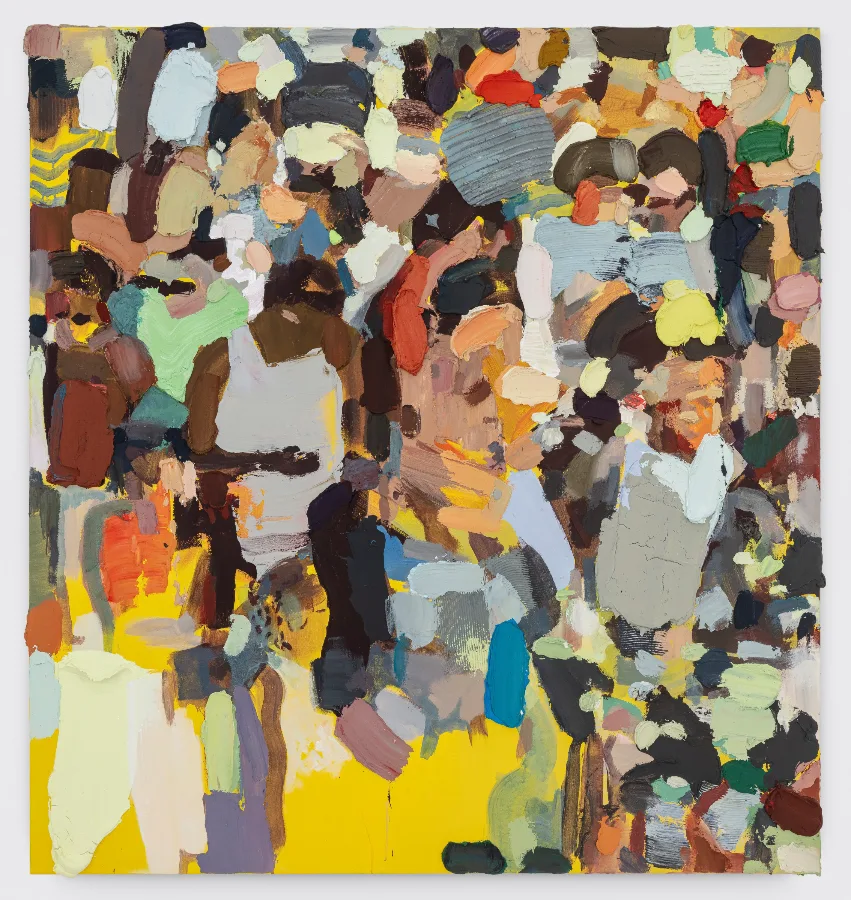
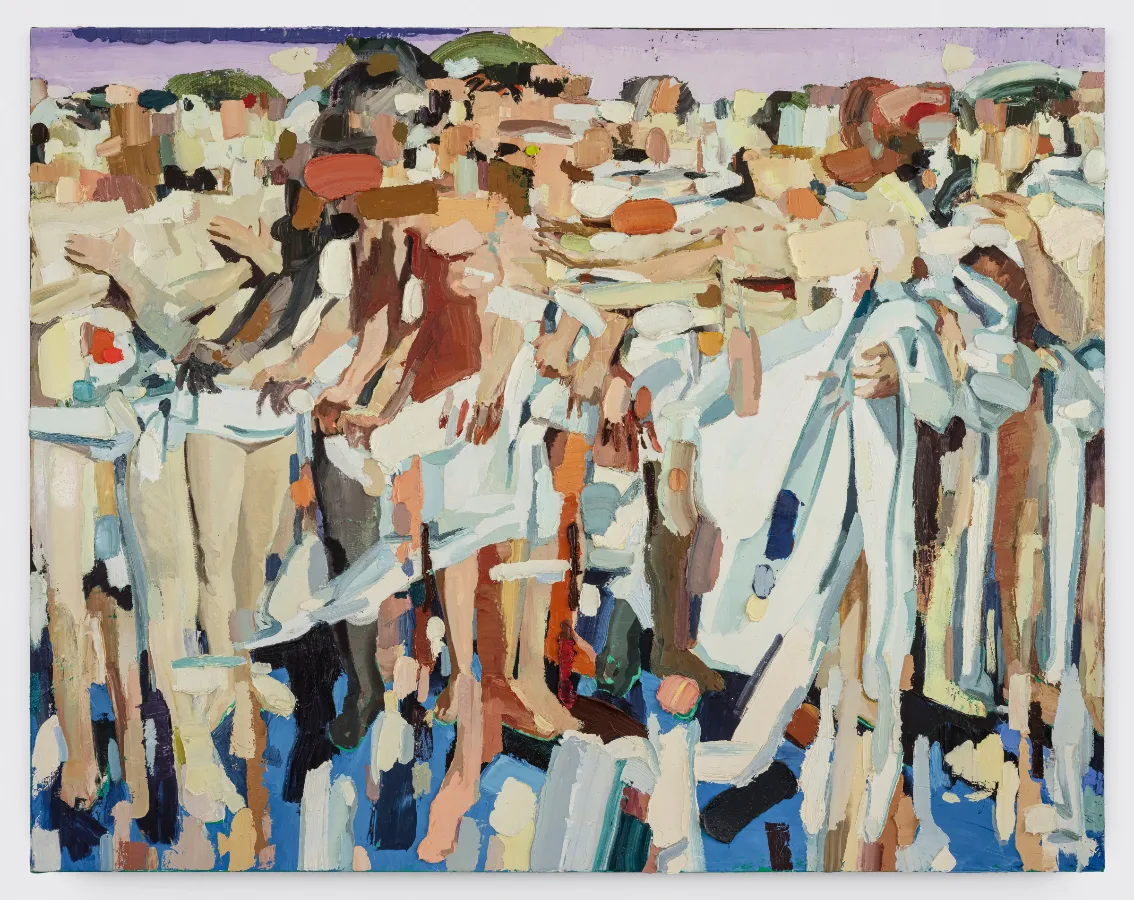
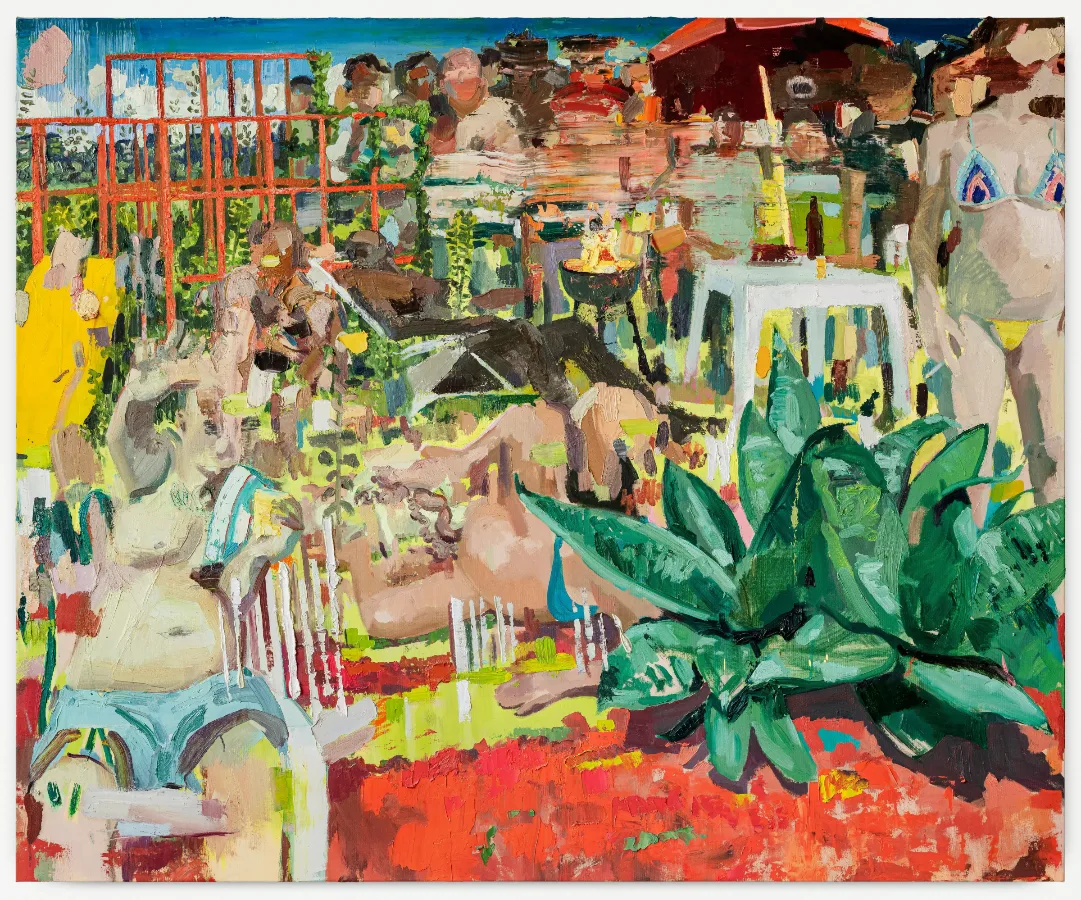
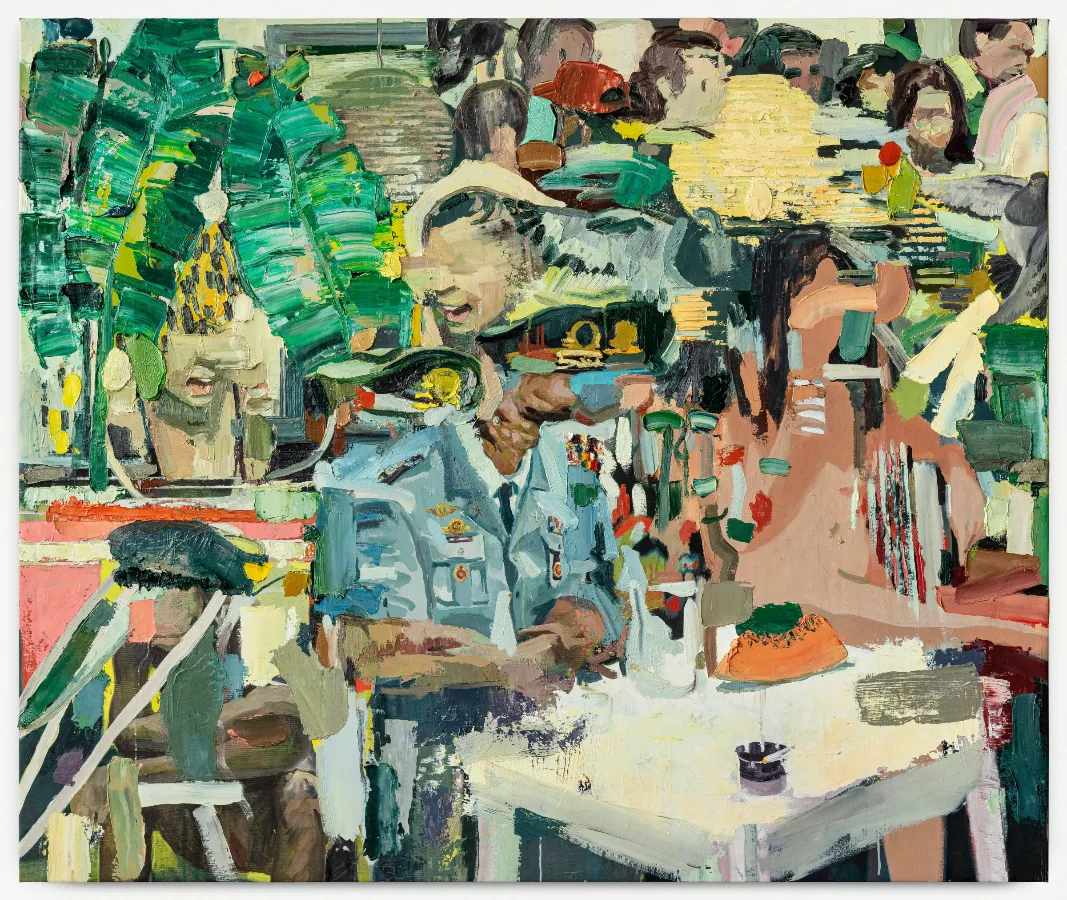
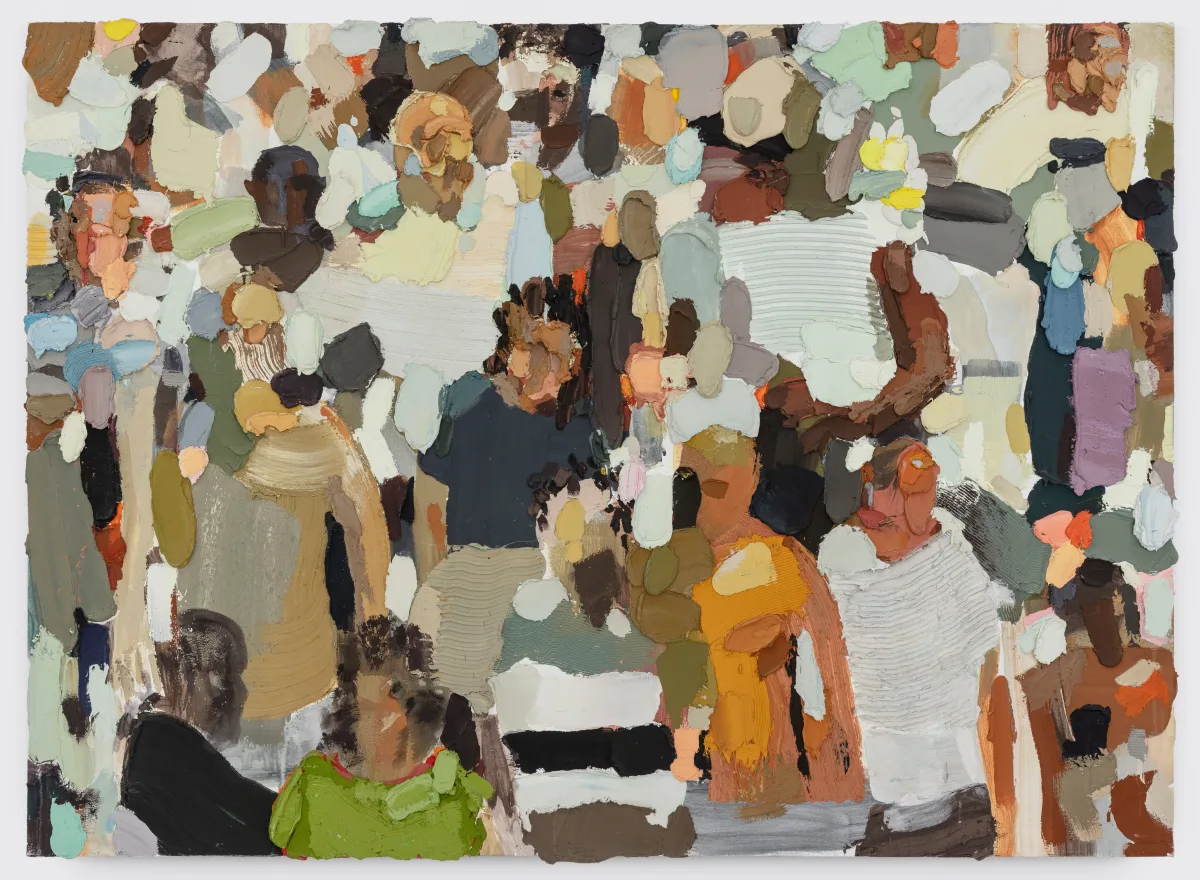
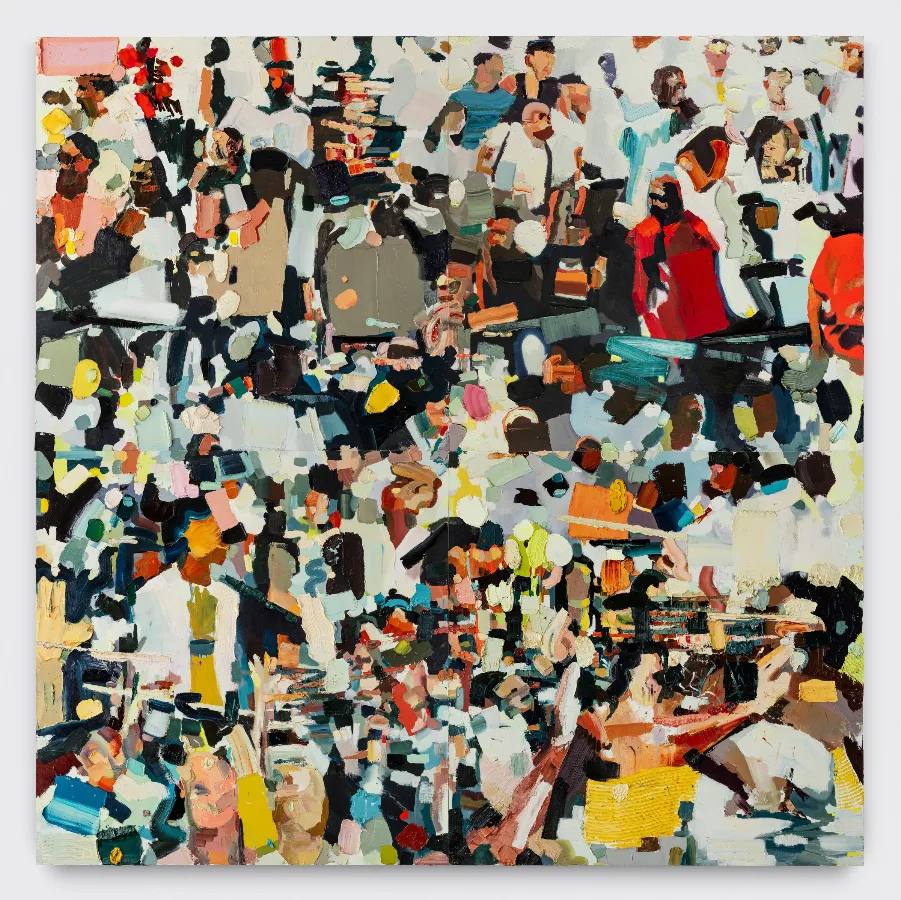
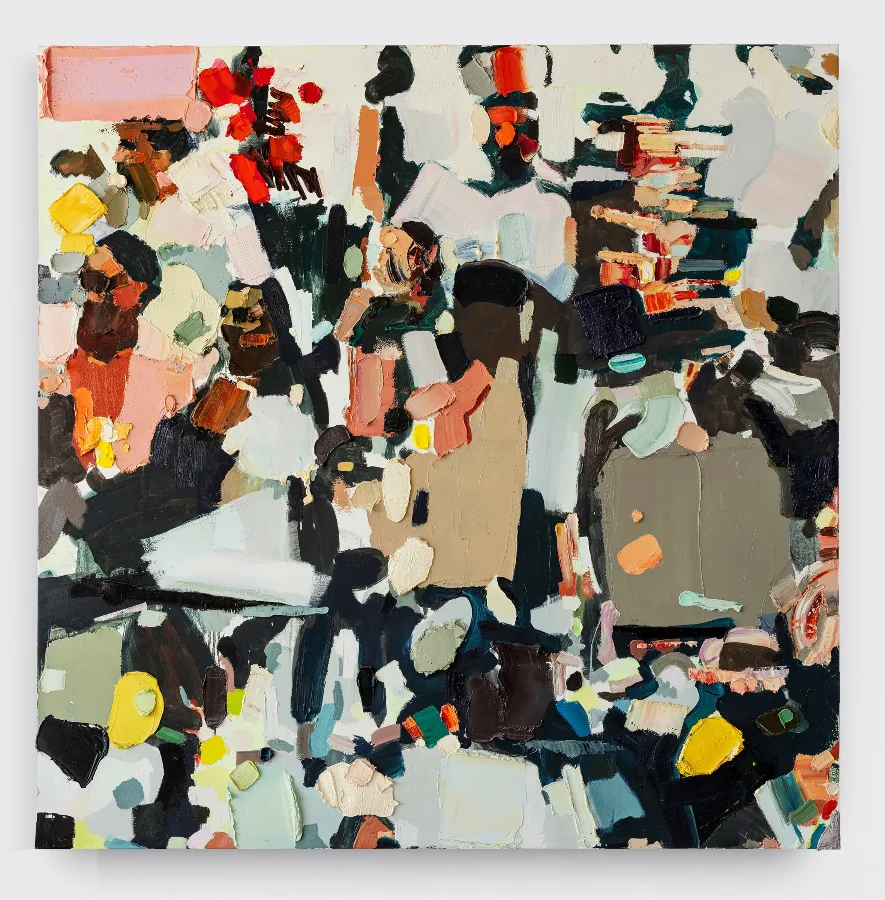
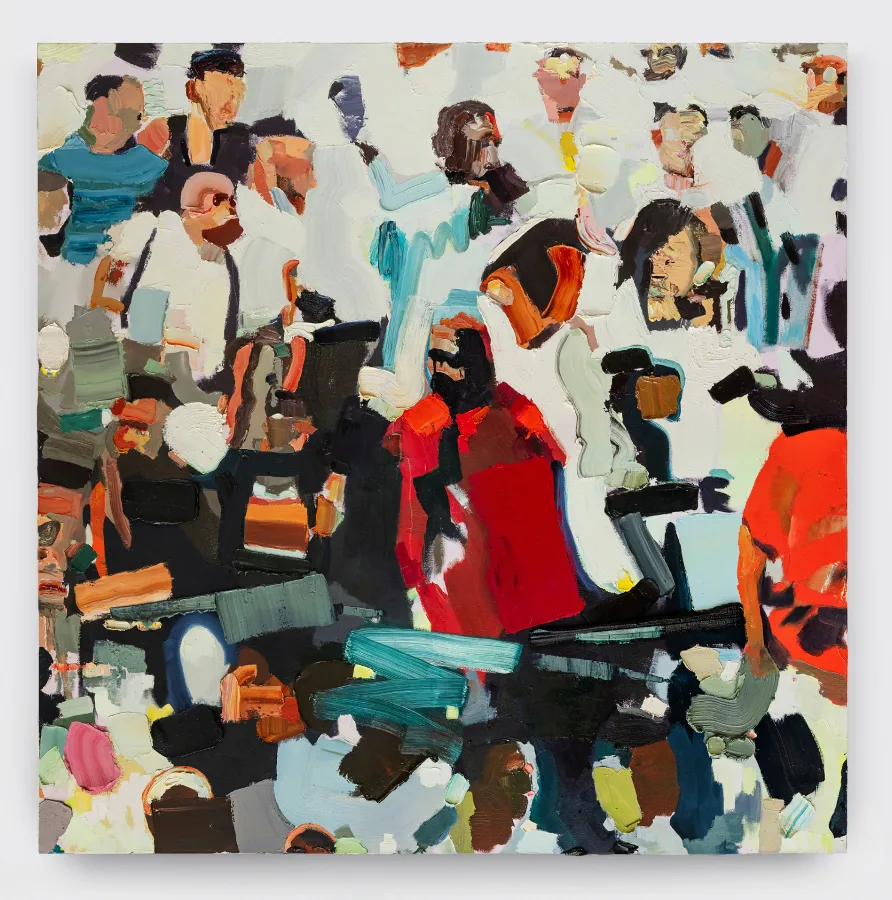
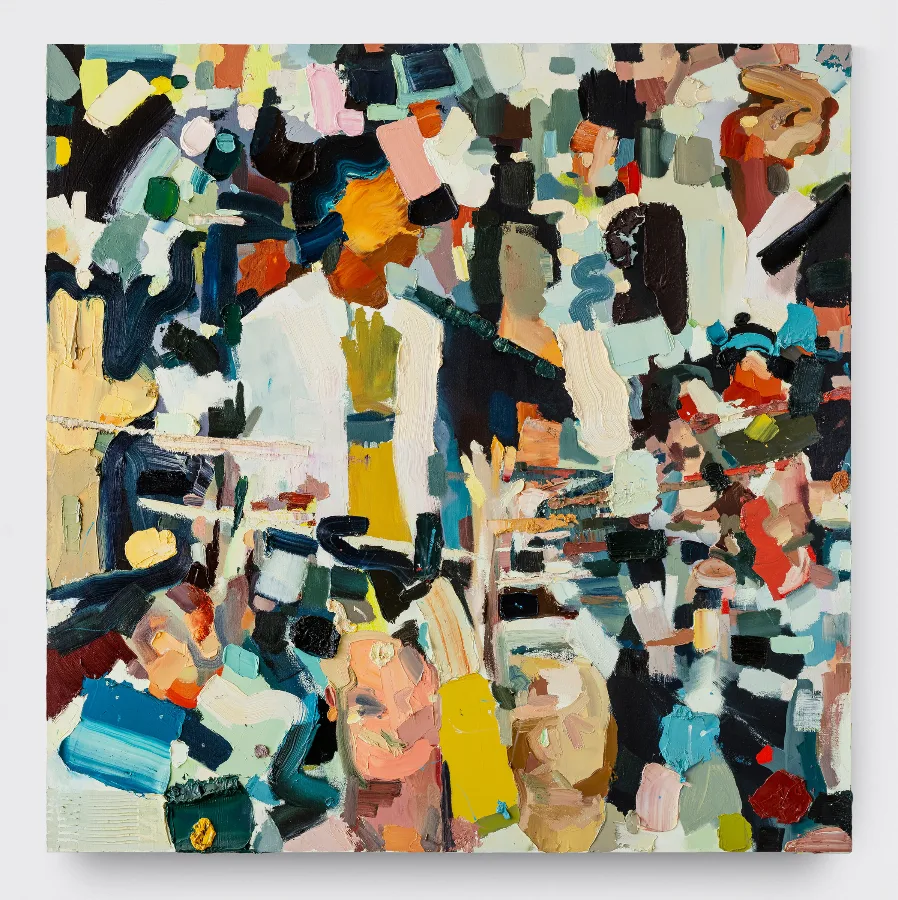
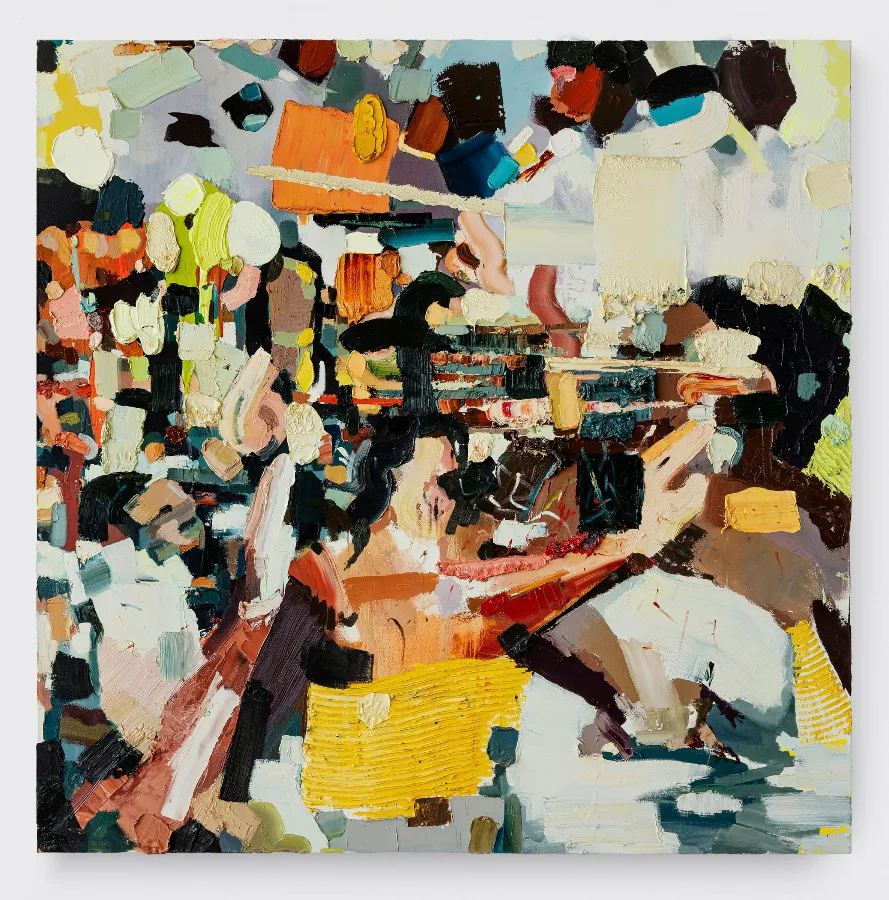
Arthur Arnold’s painting investigates the influence of the collective on the individual at the intersection of the pictorial and the sculptural. His work does not seek to represent people, but rather the sensation of being among them and the impulse toward belonging in the face of life’s impermanence. In his paintings, bodies are twisted, blurred and disfigured until they become a crowd, a family, a mass. Everyday scenes become almost immaterial, while ideas crystallized in the collective unconscious are transformed into paint in the artist’s hands.
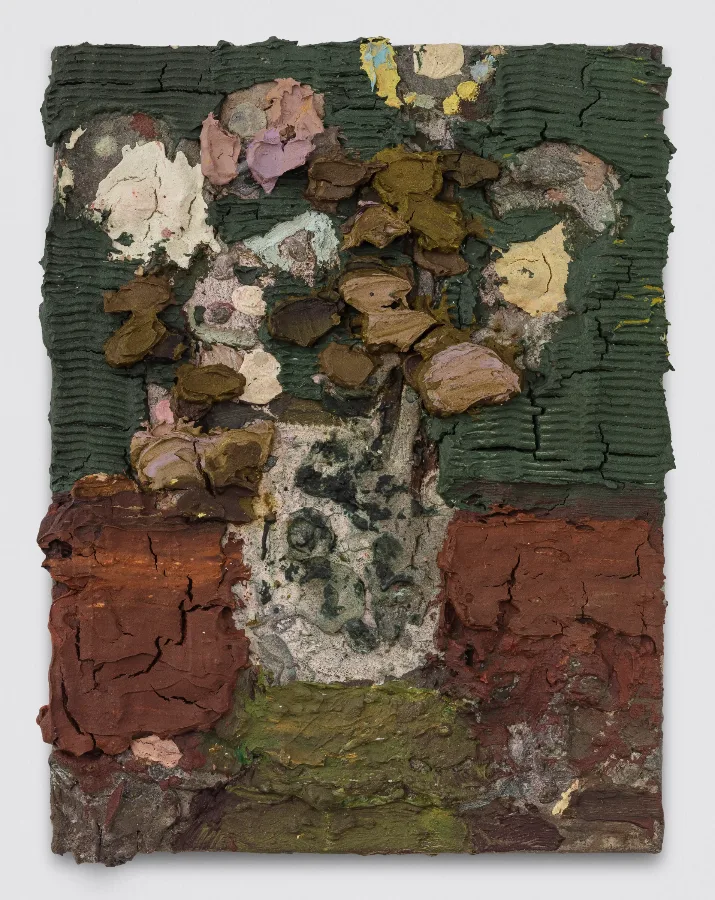
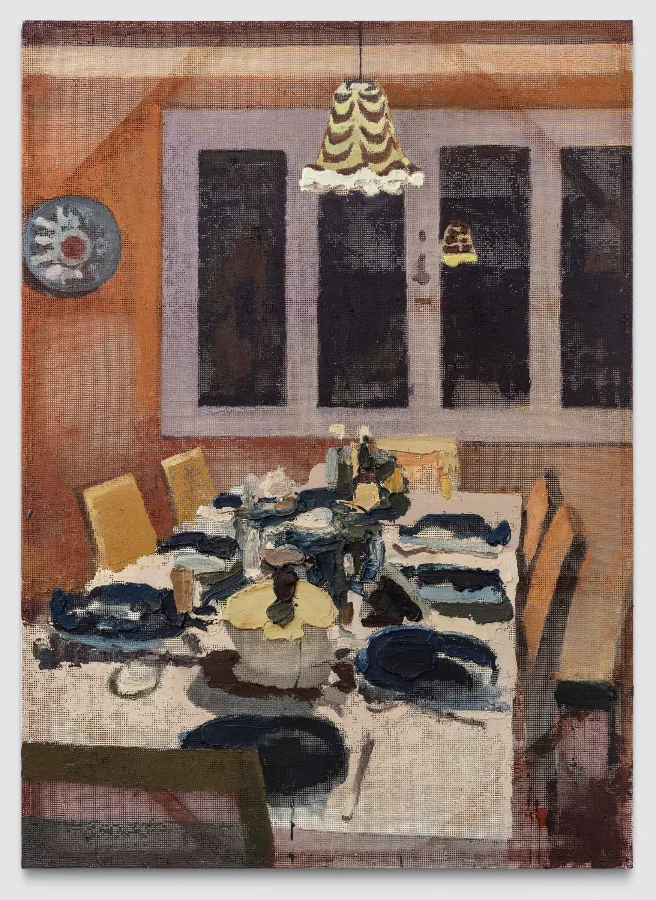
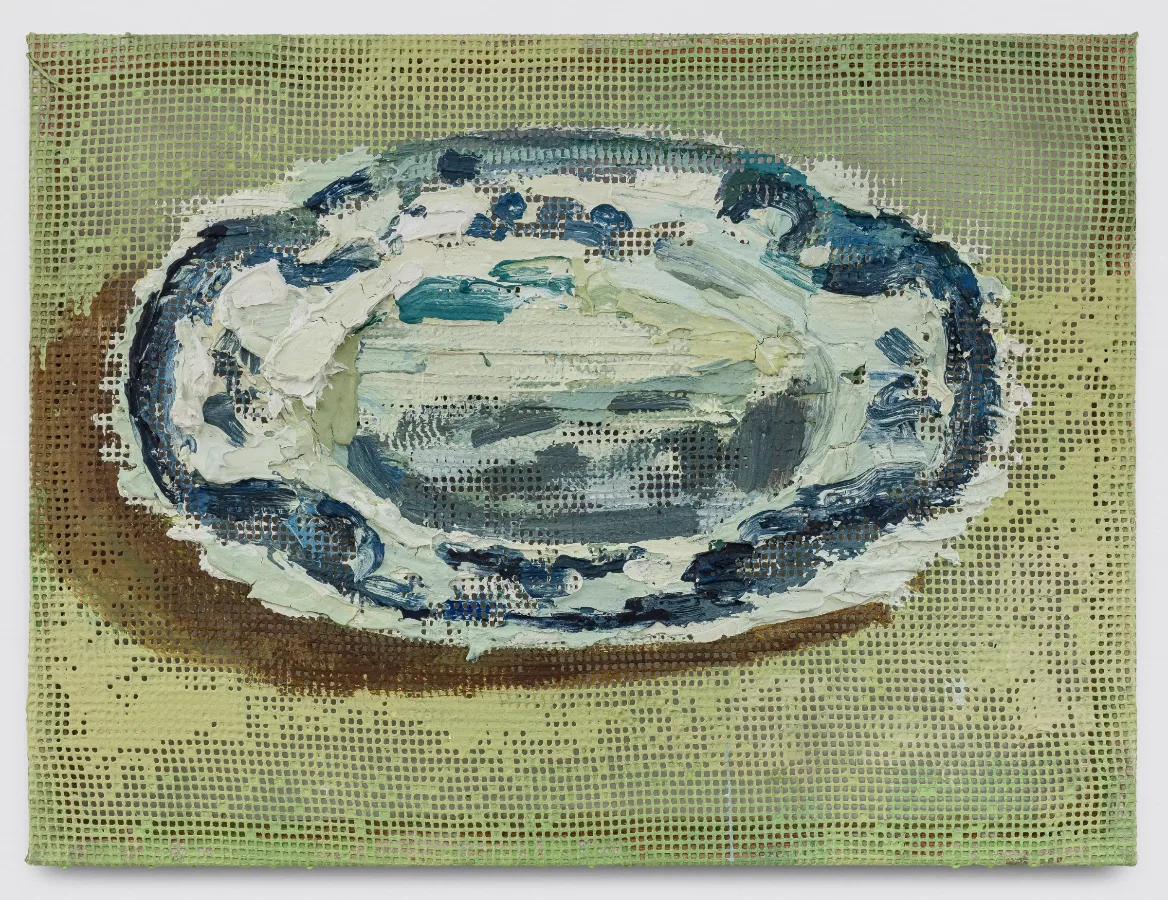
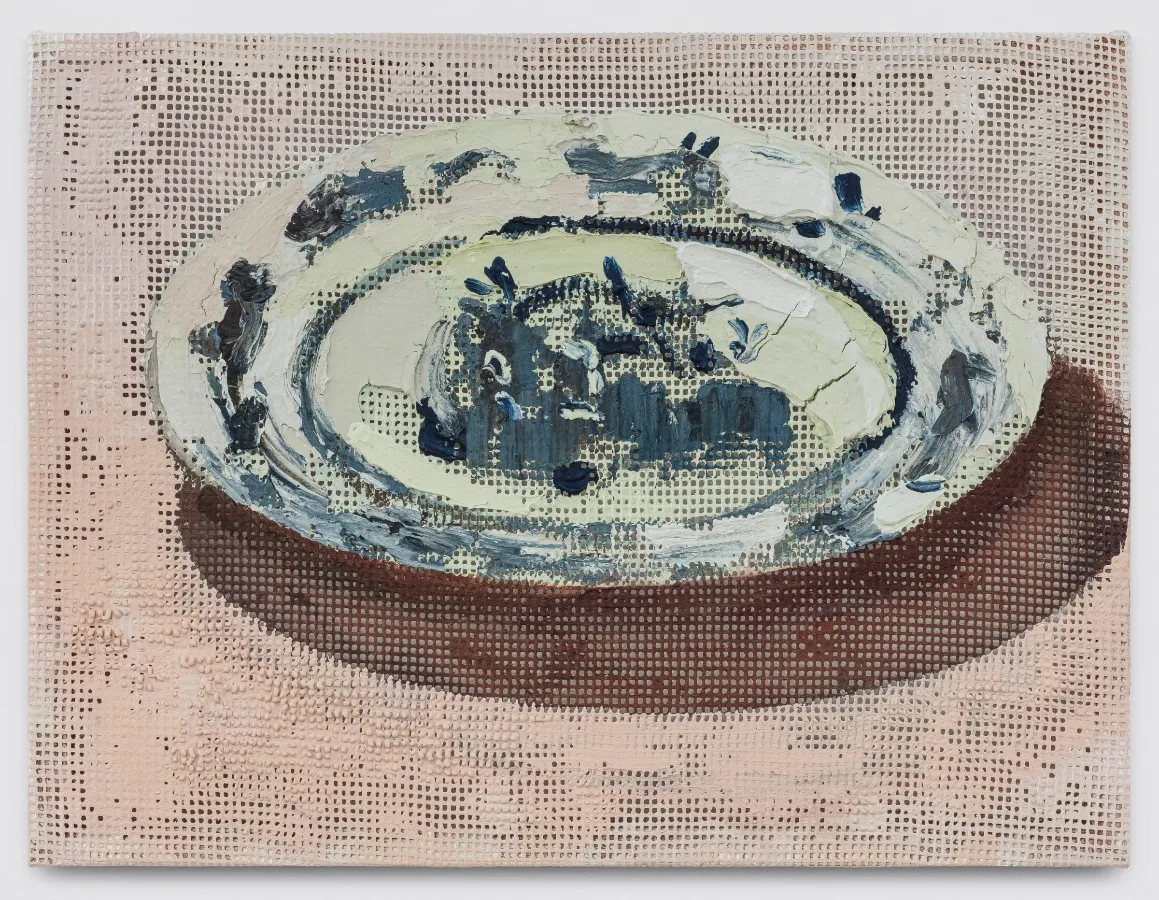
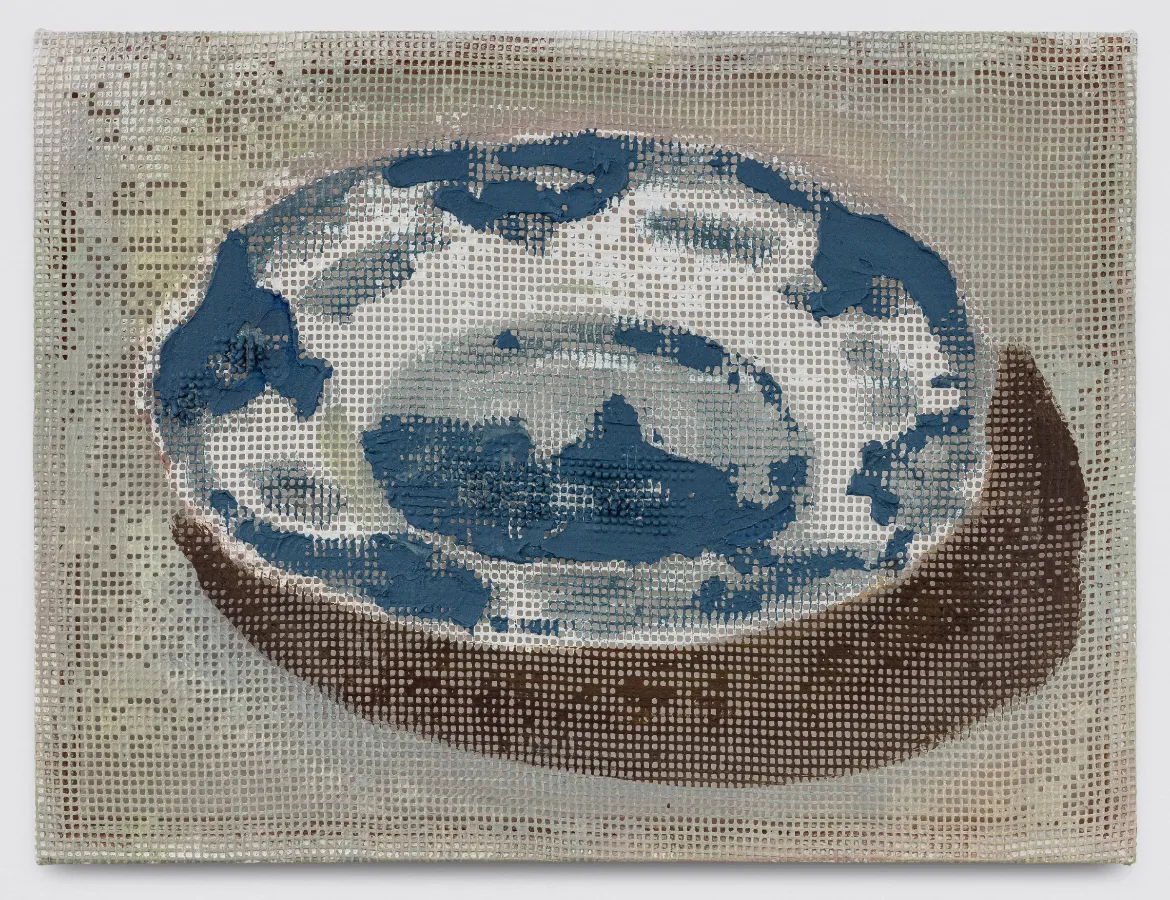
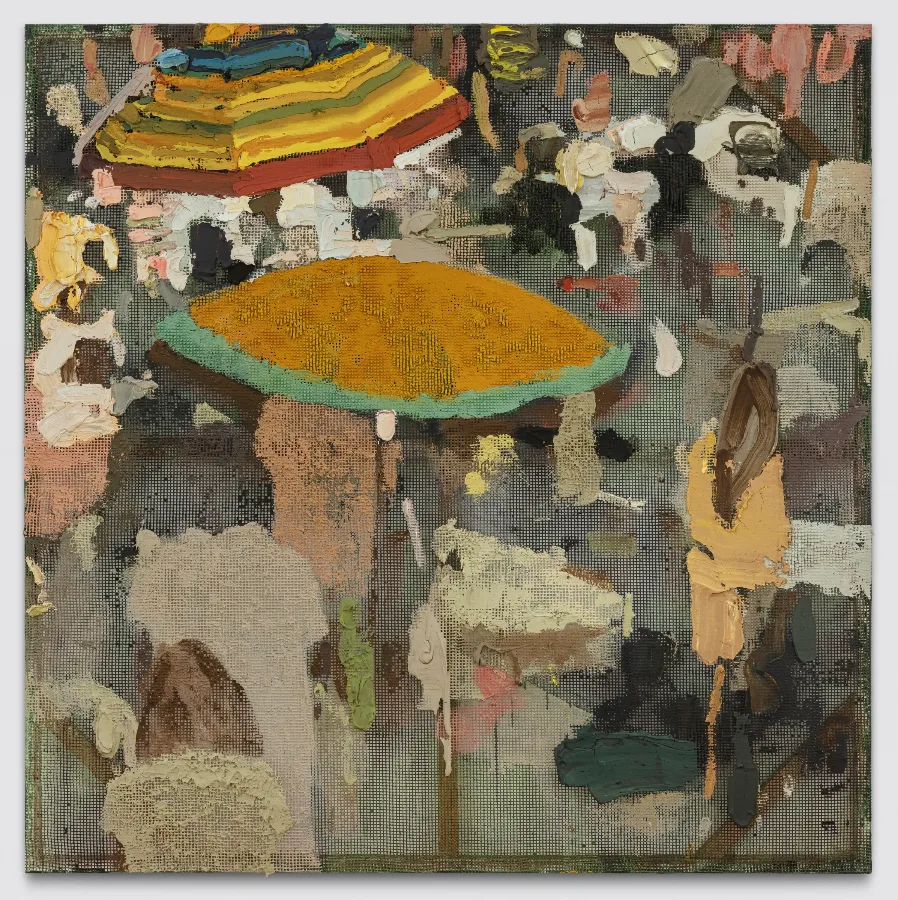
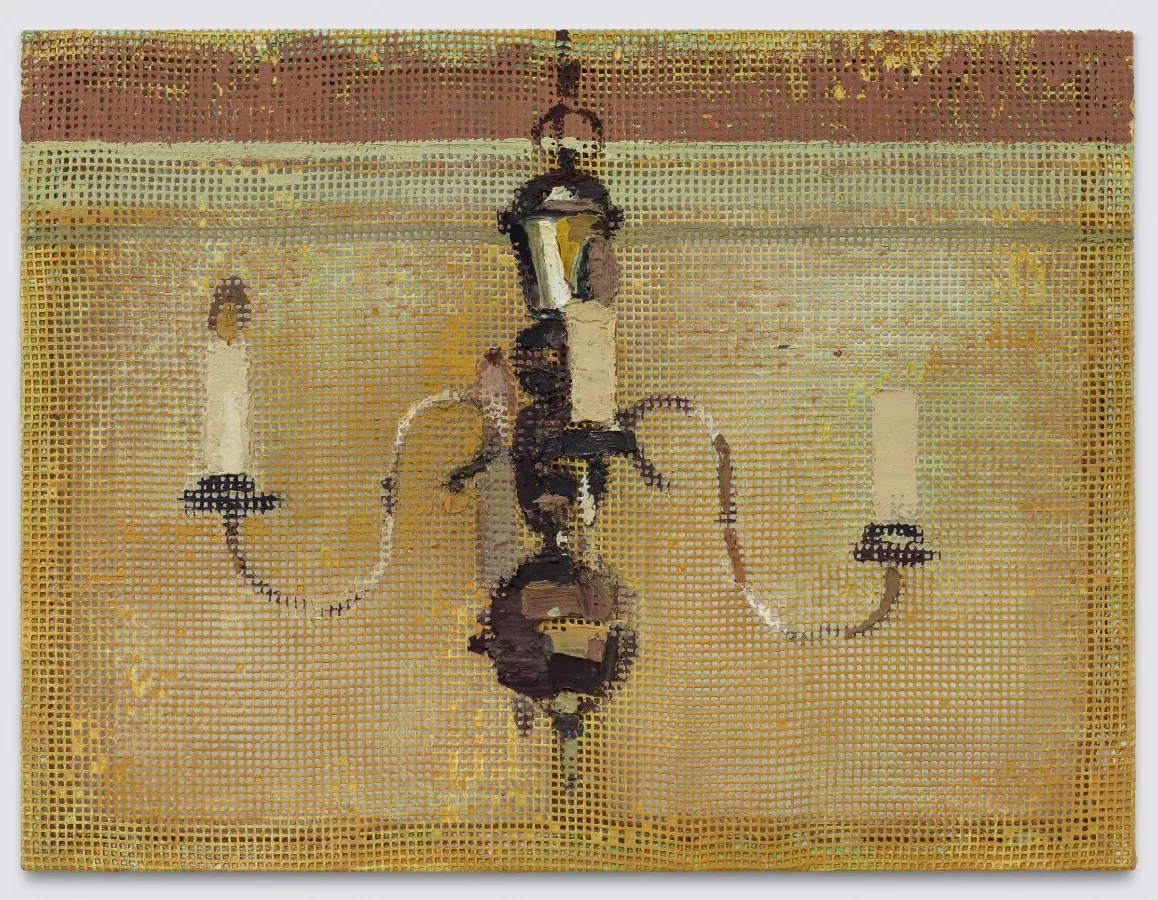
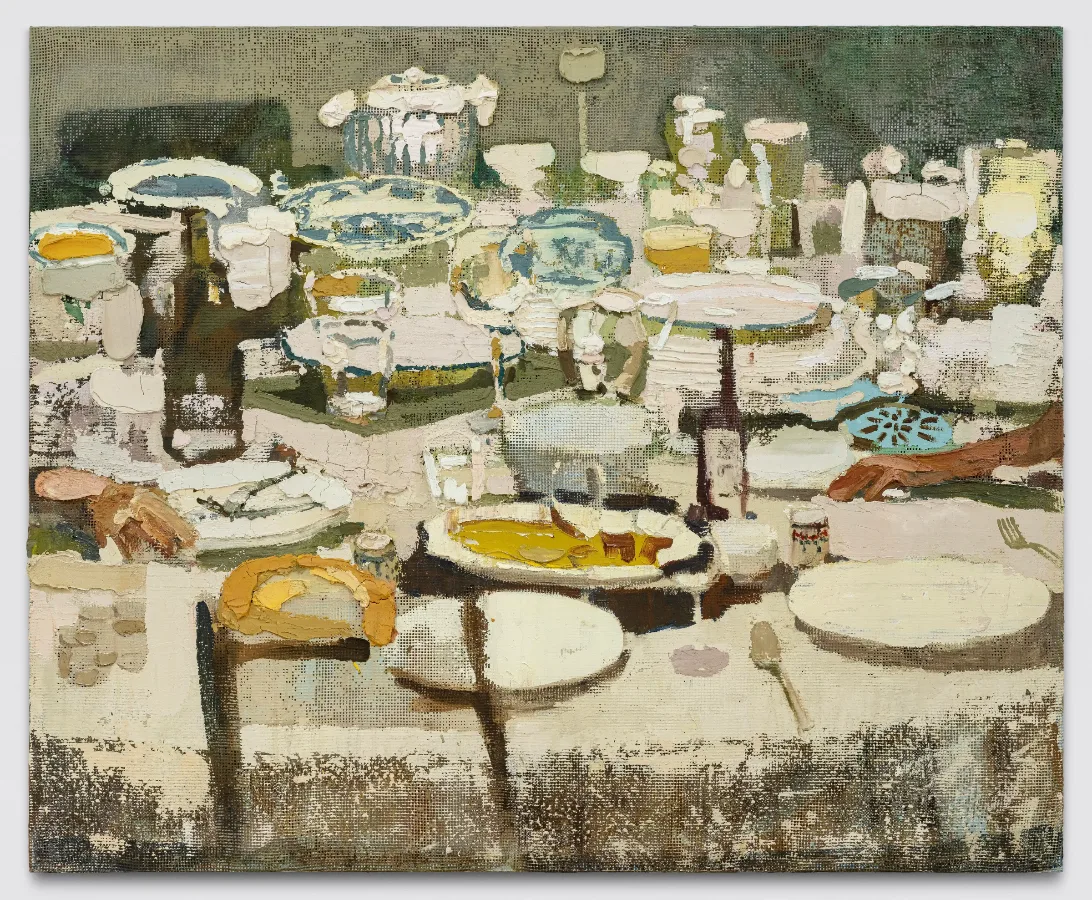
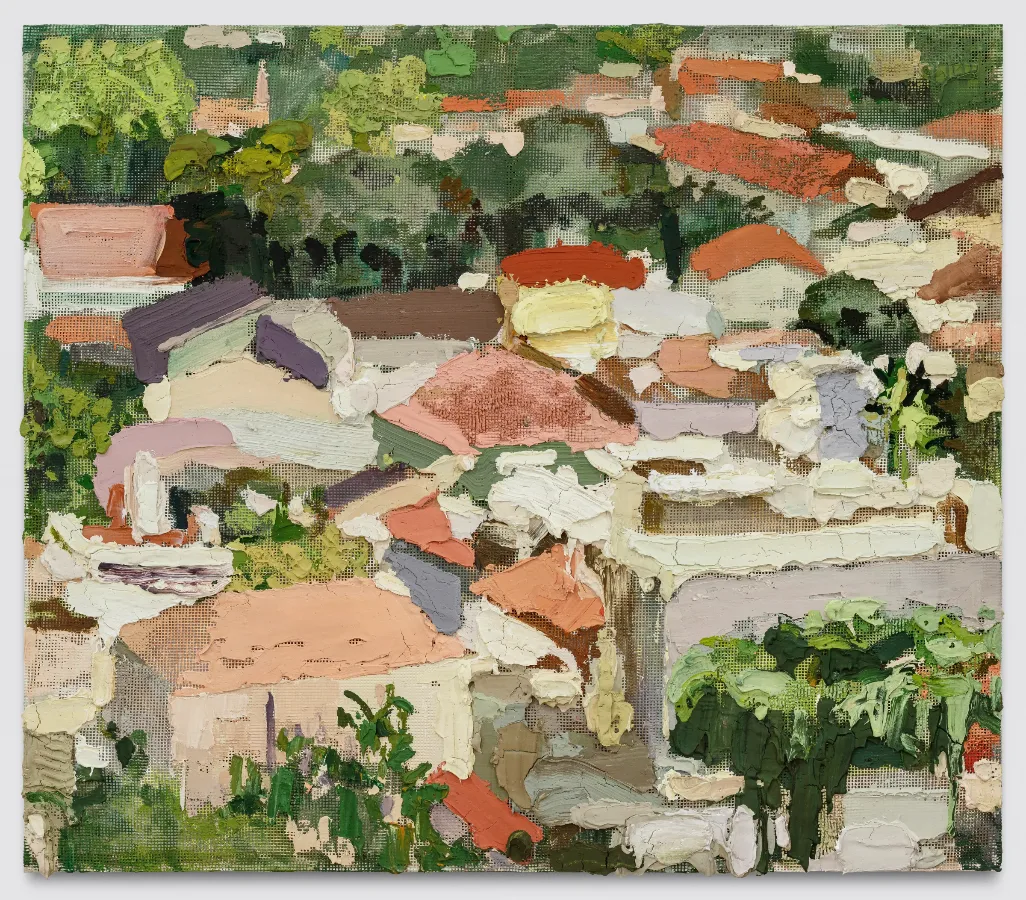
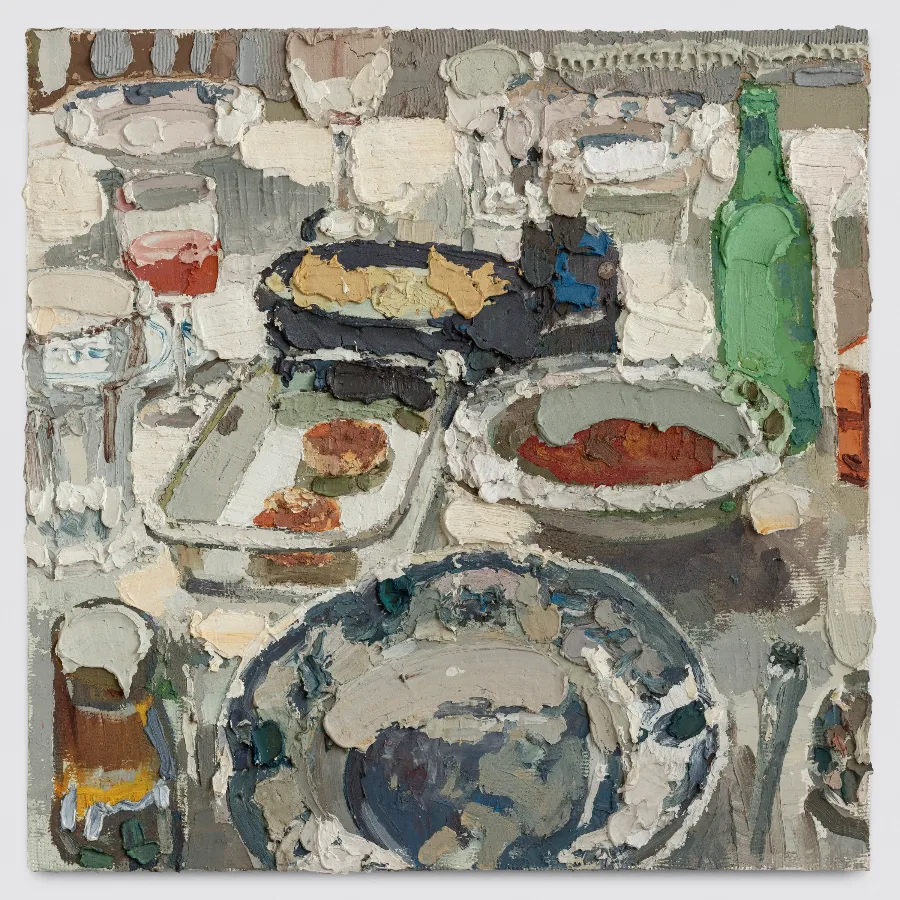
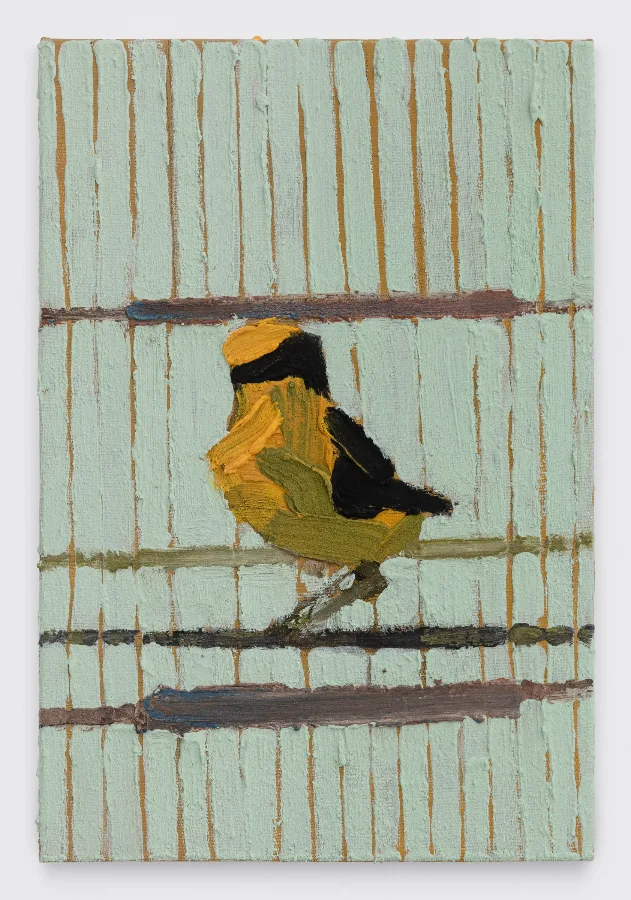
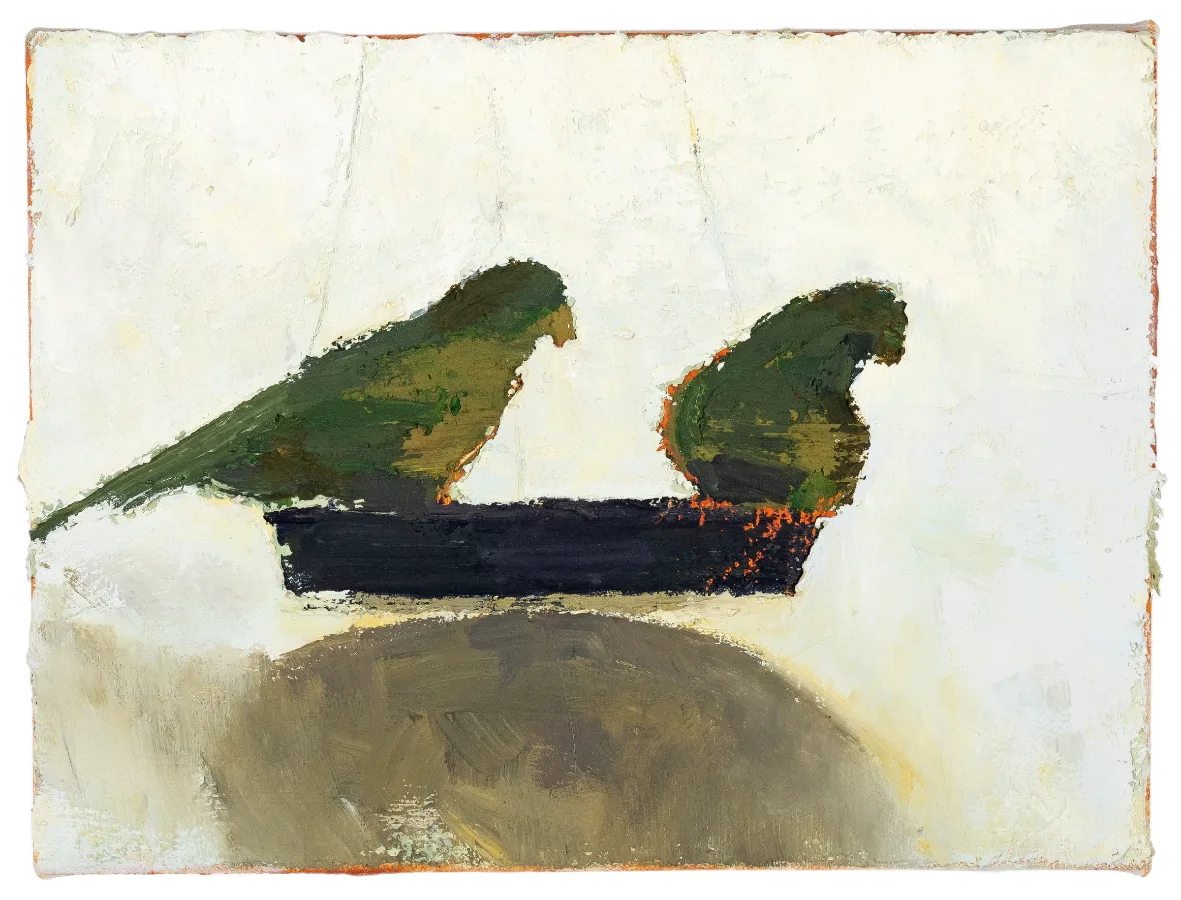
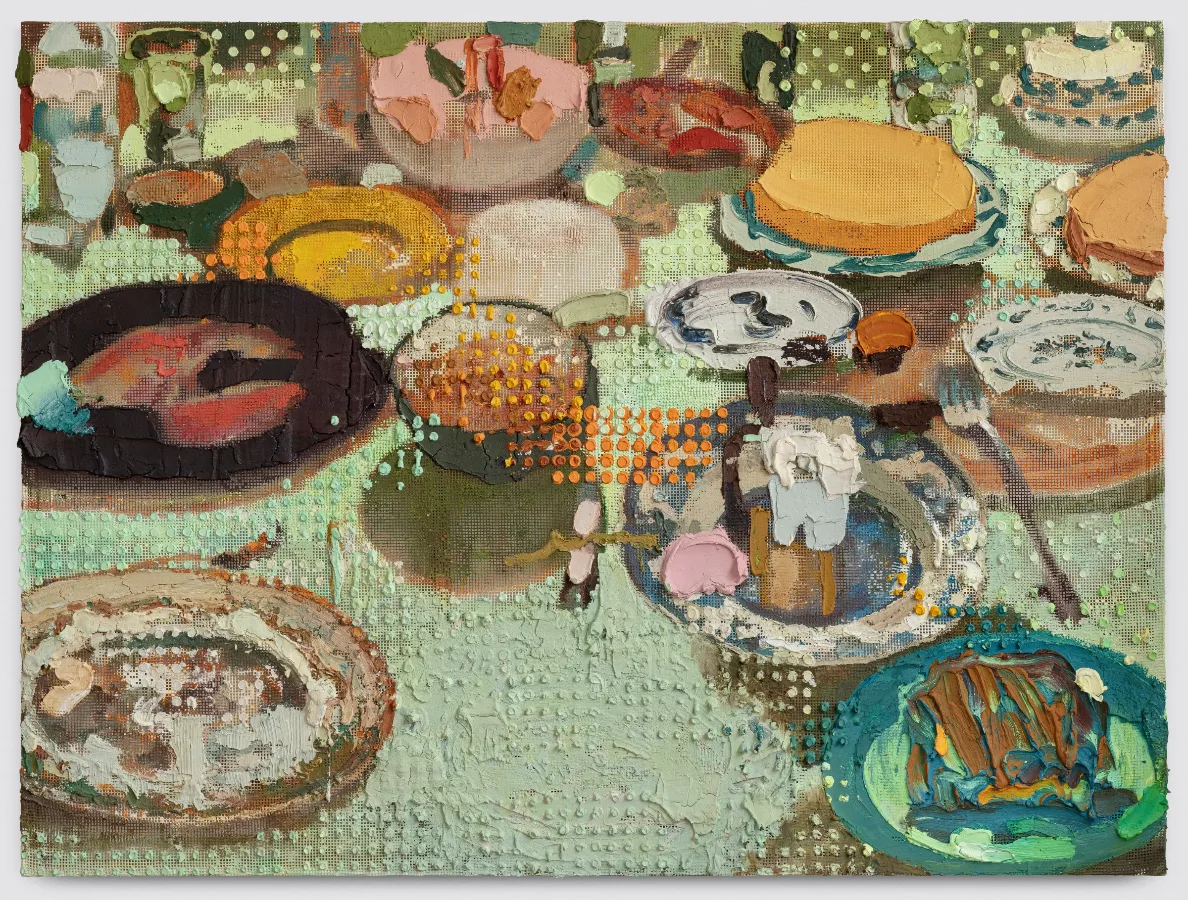
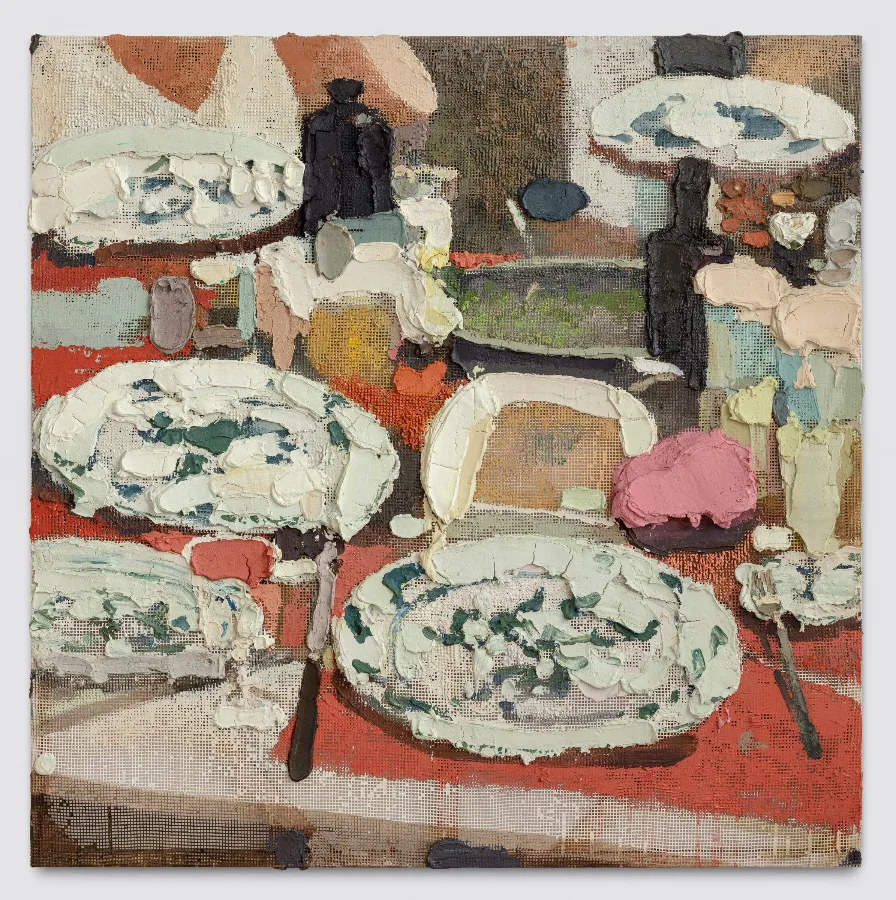
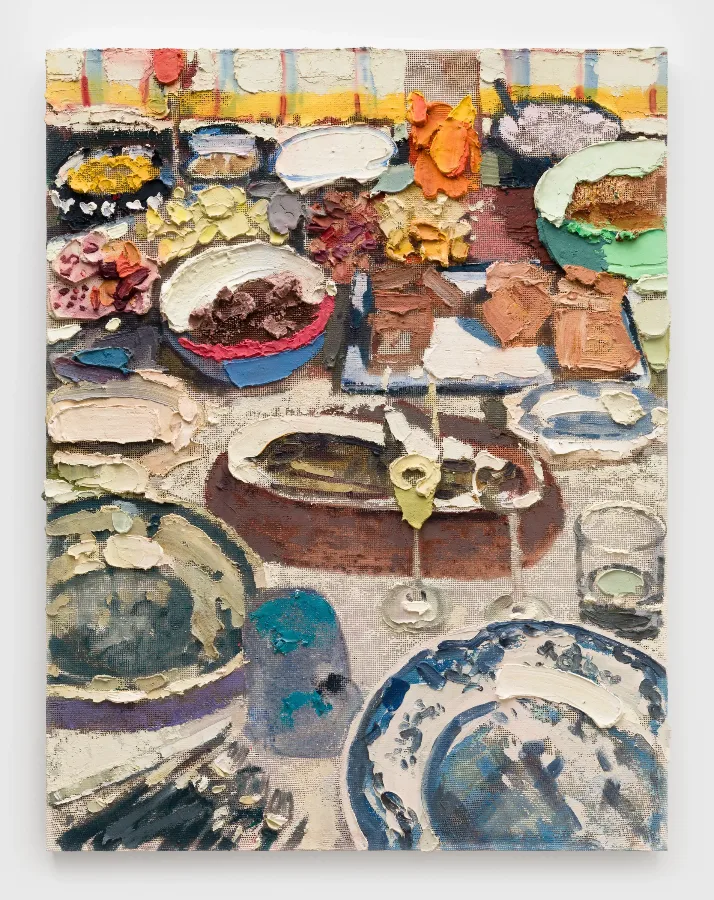
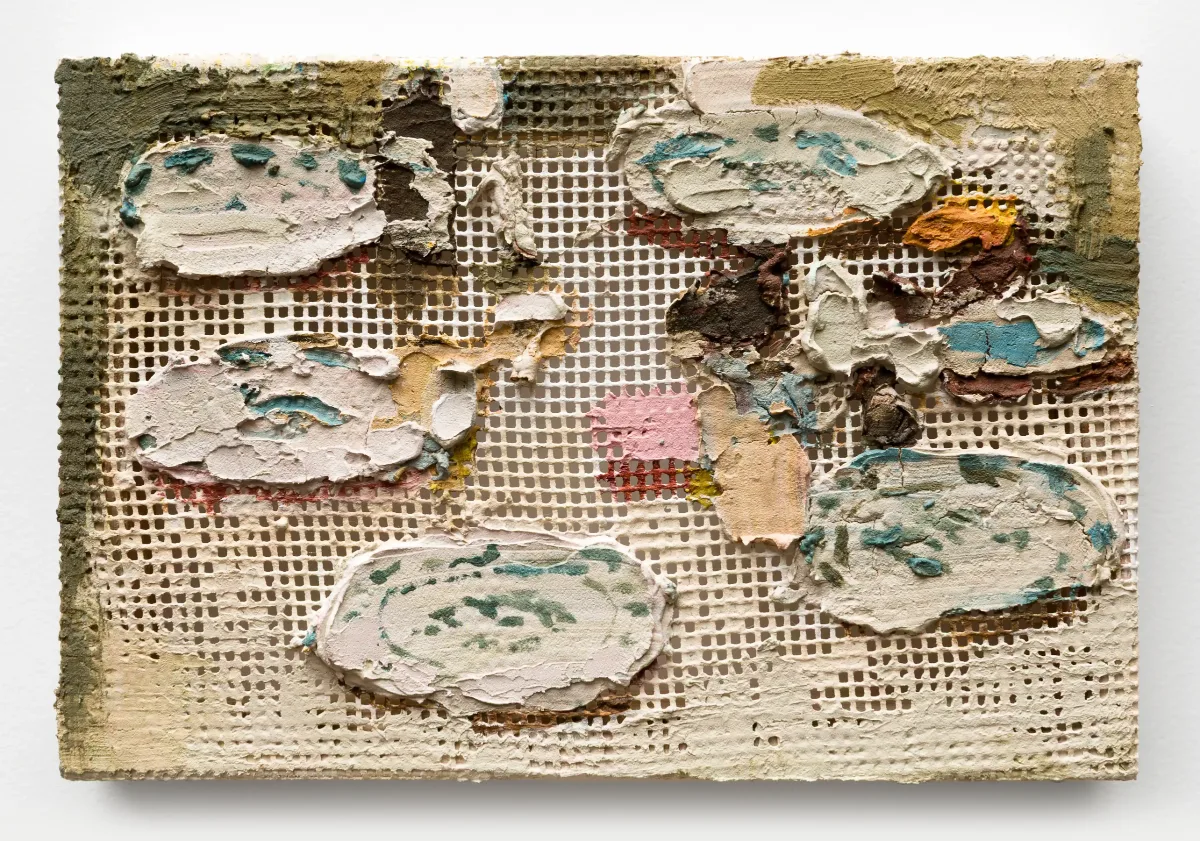
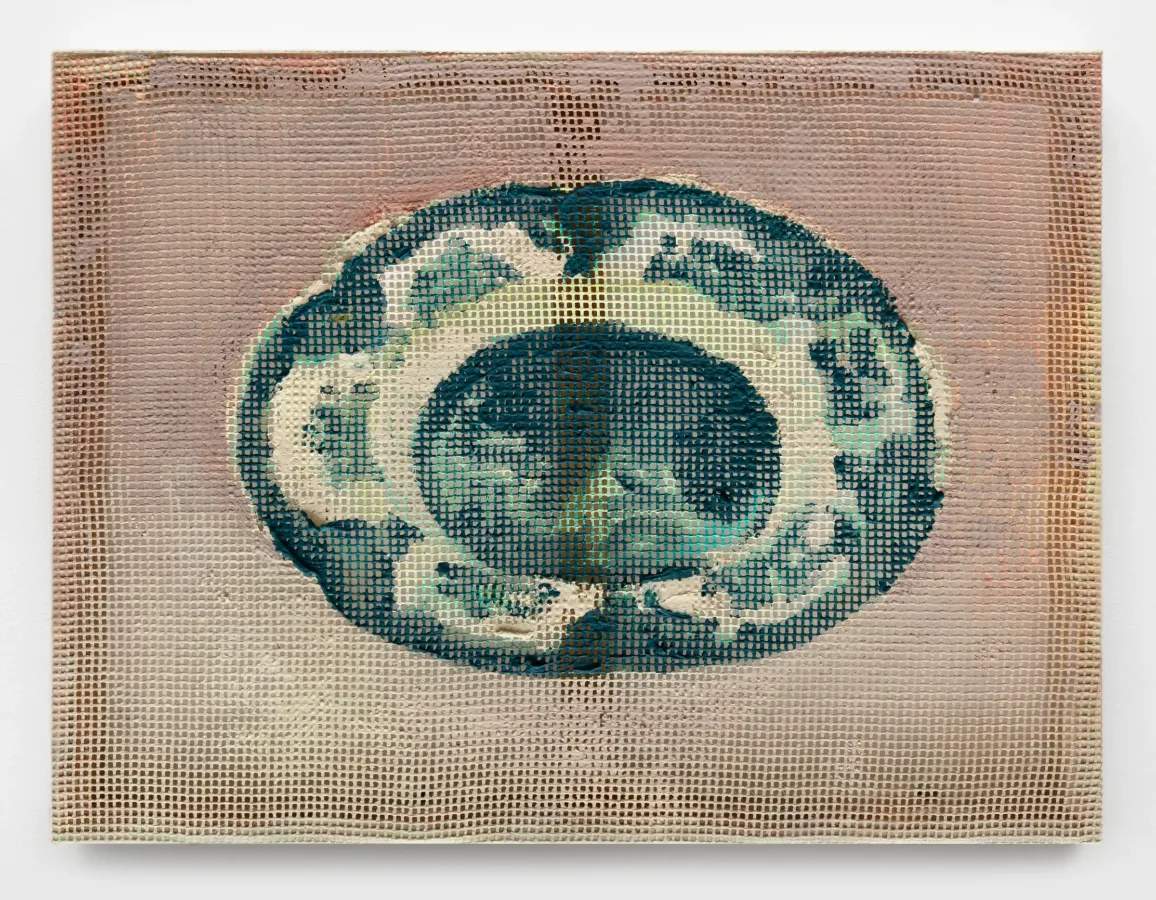
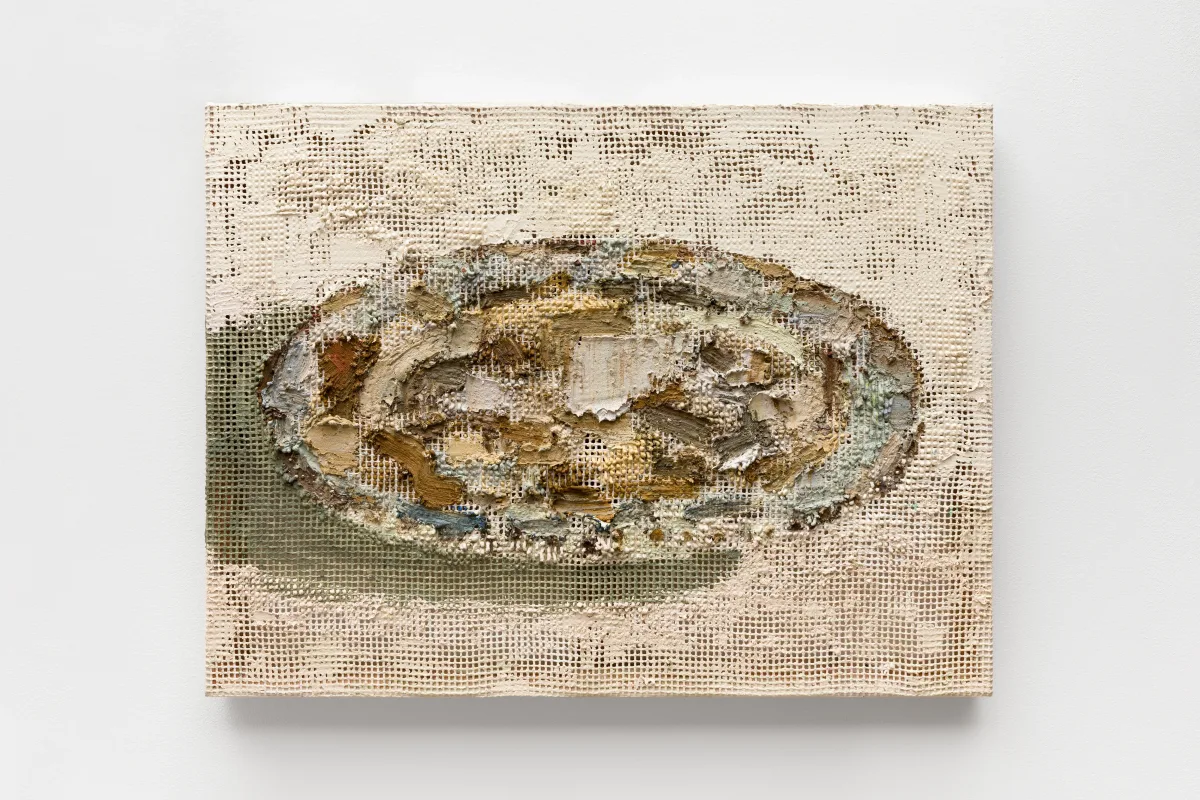
The tension between presence and impermanence manifests itself radically through materials and tools. Abandoning the arsenal of traditional painting, Arthur turns to building supplies to achieve a surface as raw as possible, capable of de-objectifying what is depicted. Highly malleable, mortar establishes a direct relationship with the groups represented in the artist’s gestural paintings. Its volume and texture make the work tactile, evoking the sensory dimension of being among other people.
The traces left by spatulas and other tools capture our gaze and awaken the feeling that there is something to be recognized. While the mortar conveys weight, the open weave of the scrim leaves the background and the canvas stretcher visible, evoking the fleeting nature of life. Weight and lightness, brutality and refinement, permanence and transience, materiality and immateriality converge, making the work a reflection of the complexity of human relationships.
Artworks
Contact
Matias Brotas
Artwork information and availability
Lara Brotas
lara@matiasbrotas.com.br
+55 27 99243-6093
matiasbrotas@matiasbrotas.com.br
+55 27 99837-2920
FRB Comunicação
Production, projects and communications
Flávia Ragazzo
flavia.ragazzo@prcomunica.com
+55 11 99960-7010