Grandmother’s House
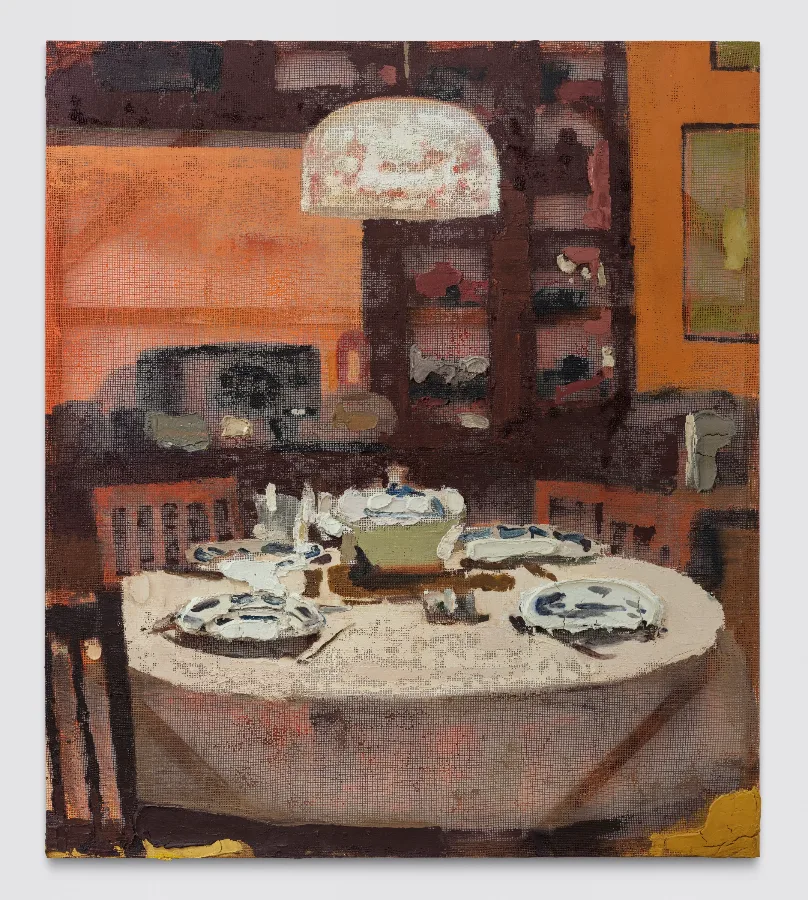
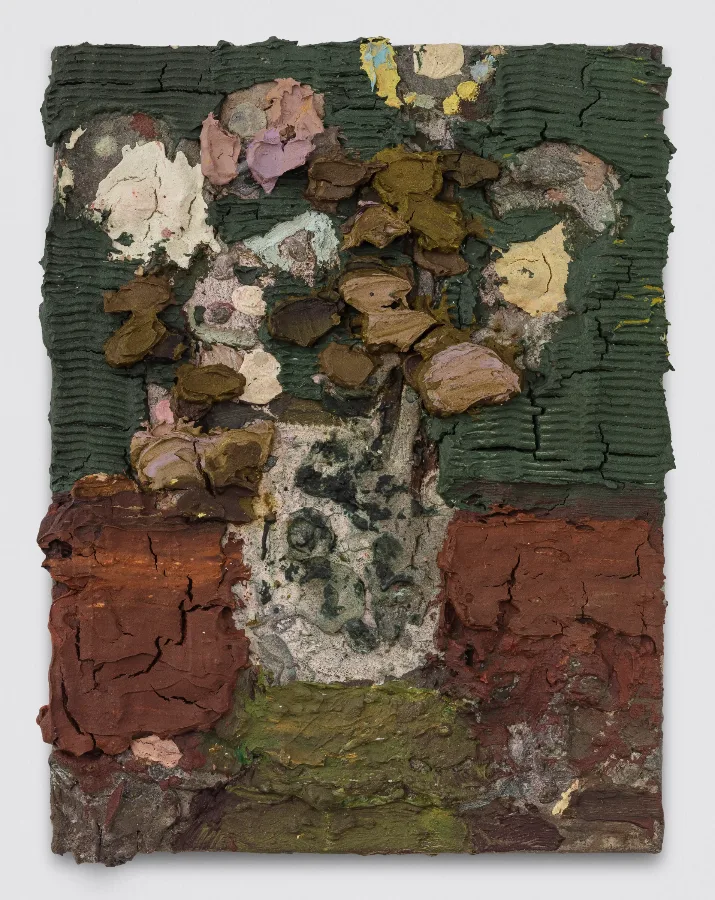
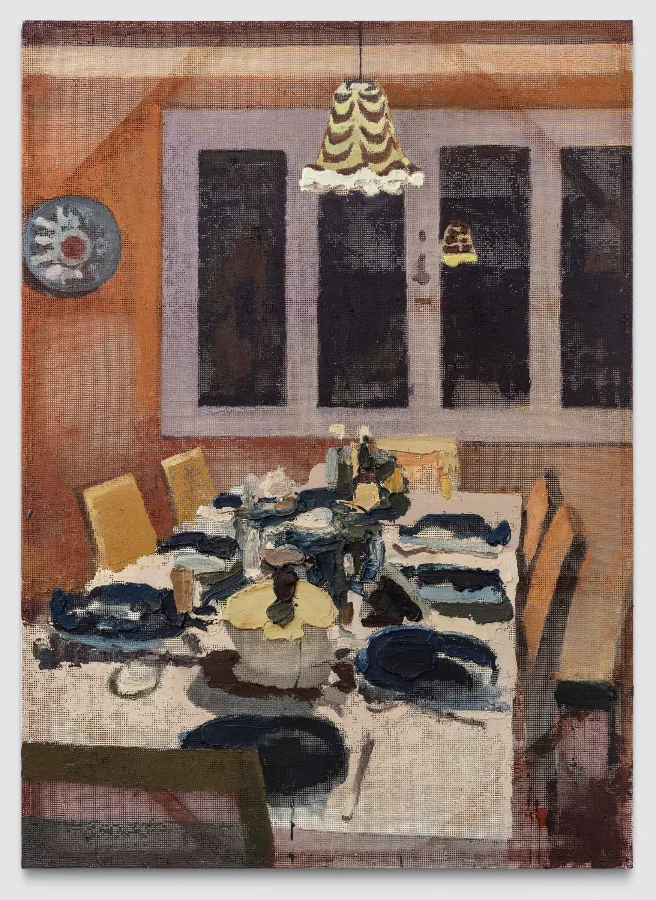
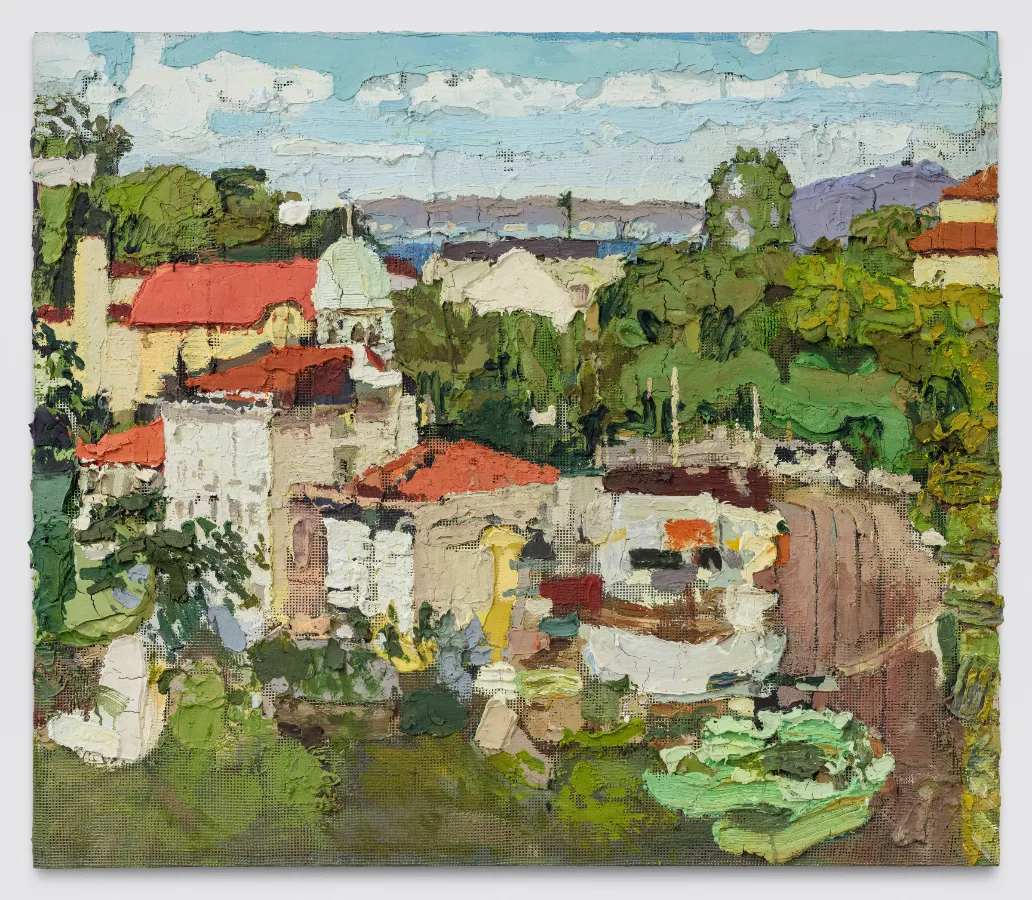
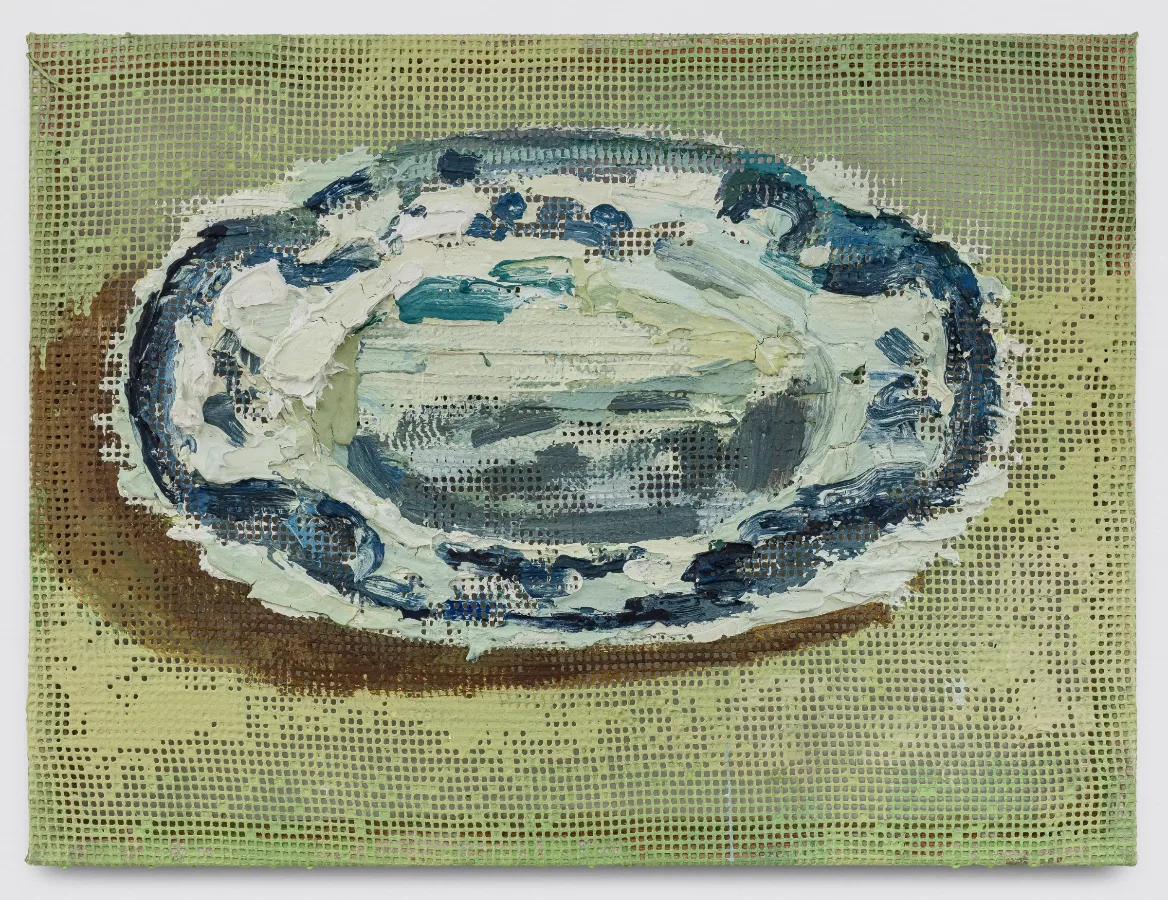
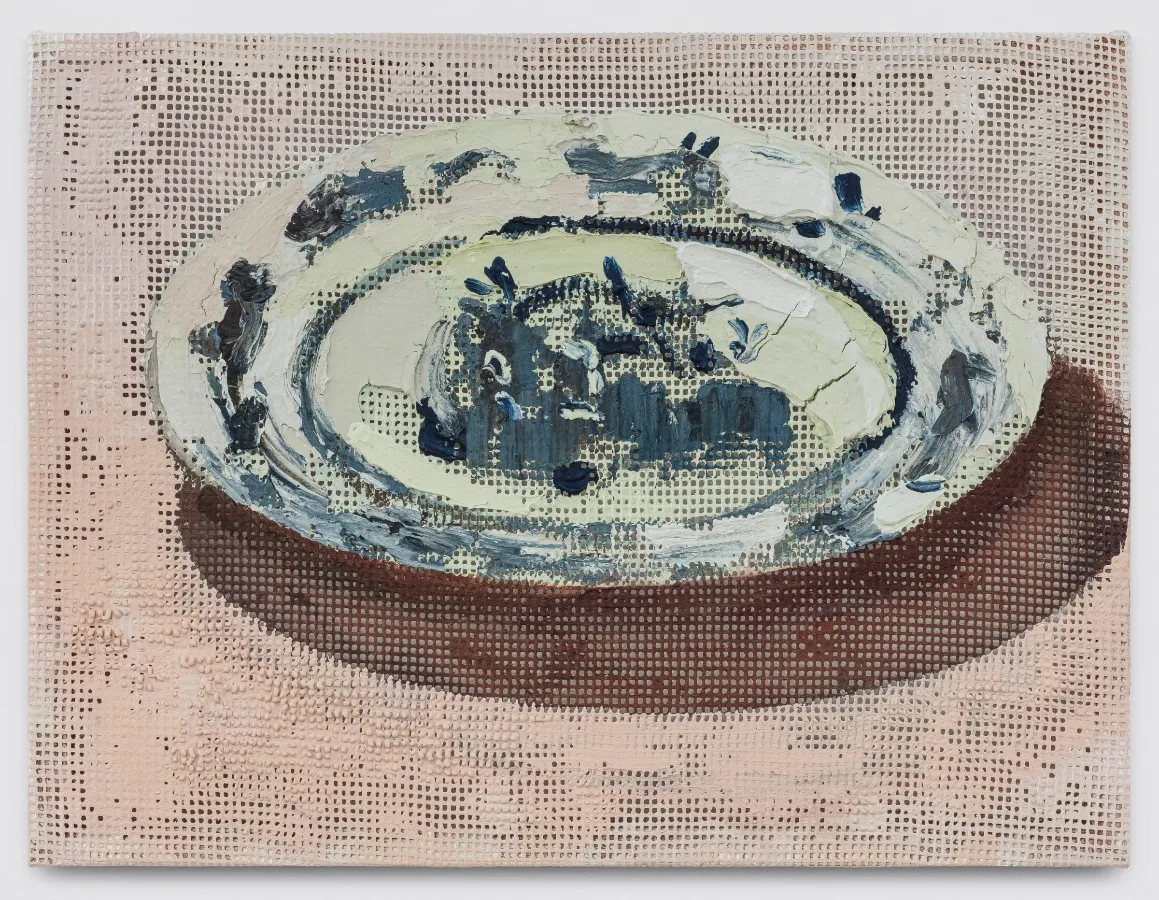
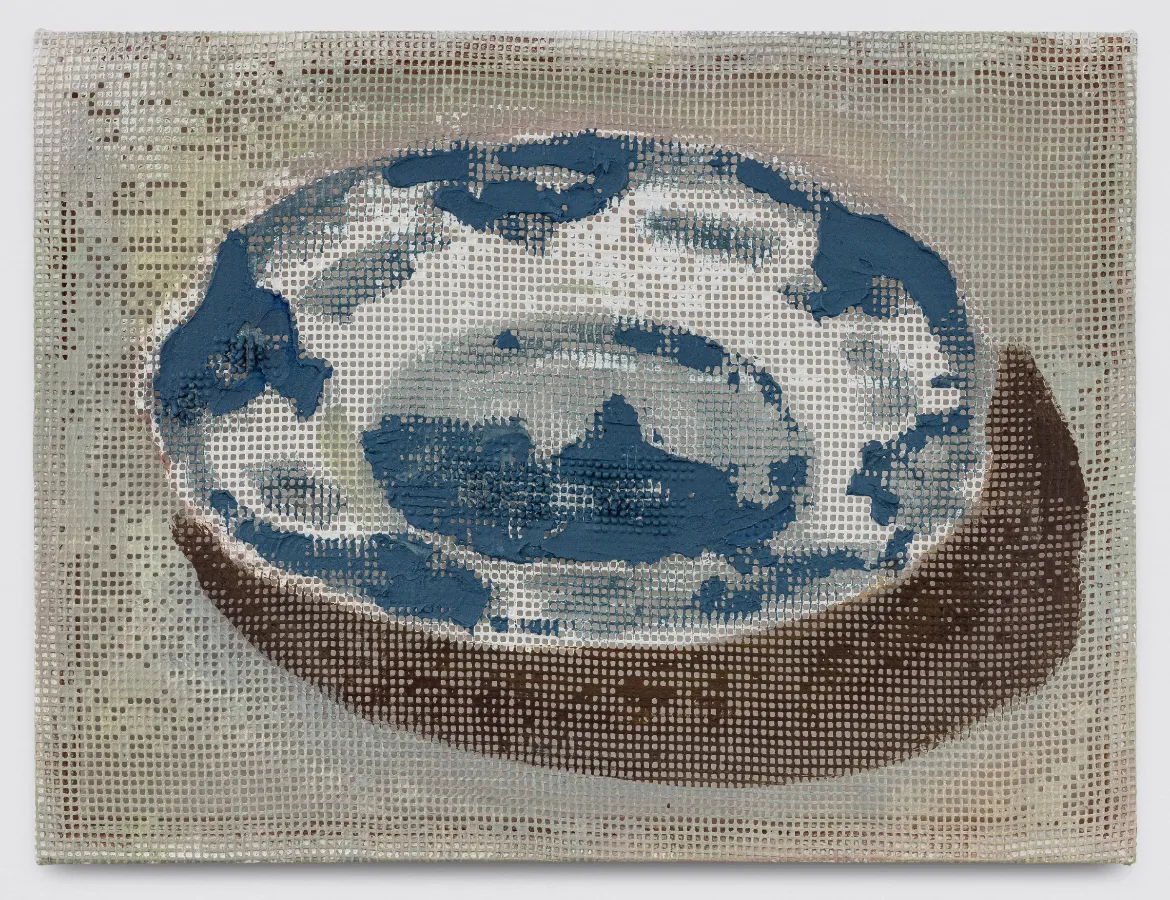
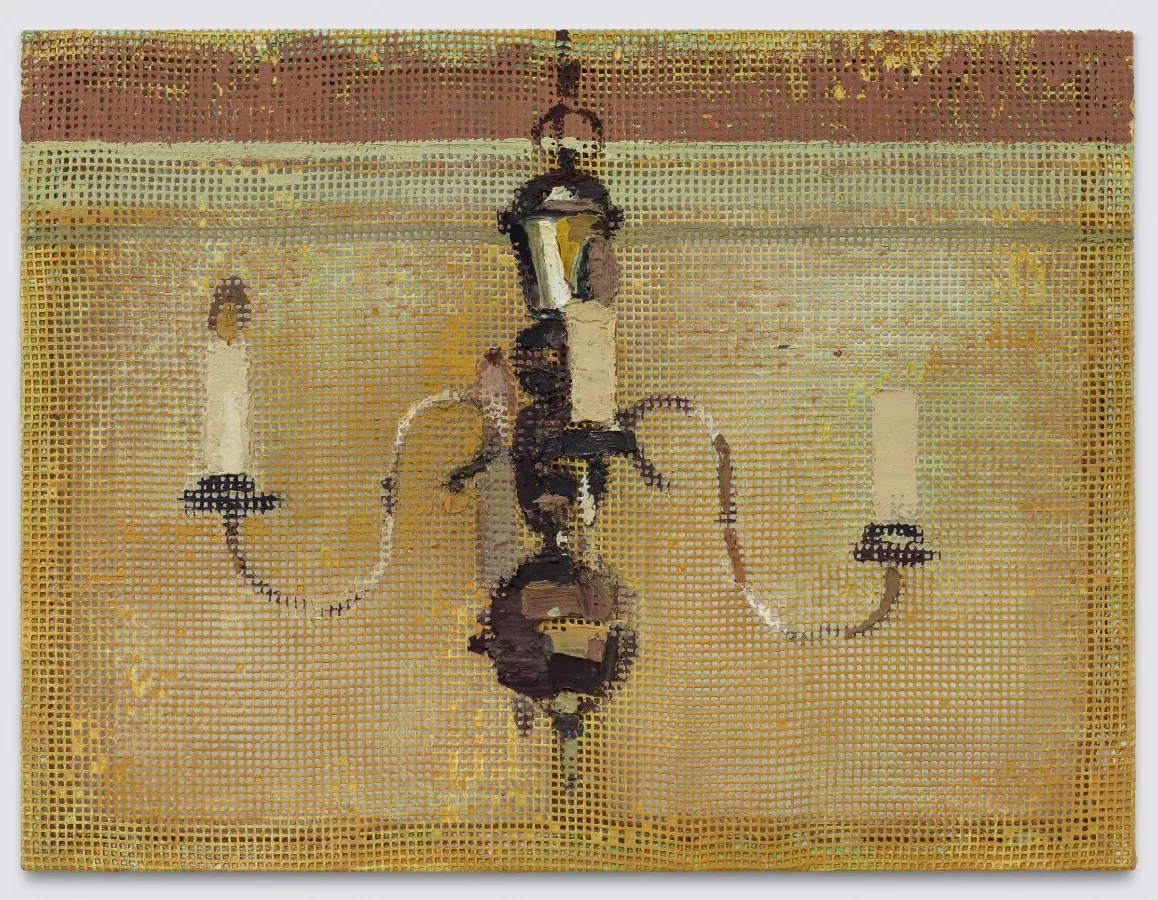
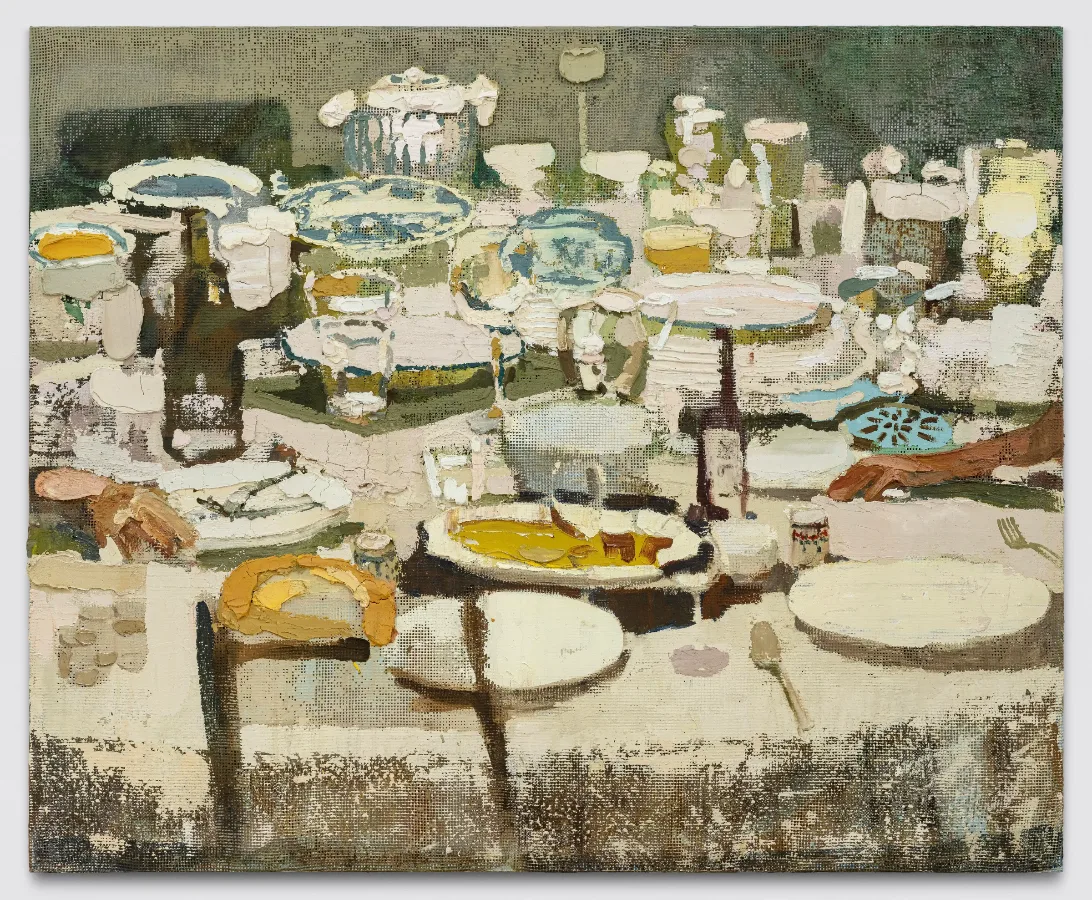
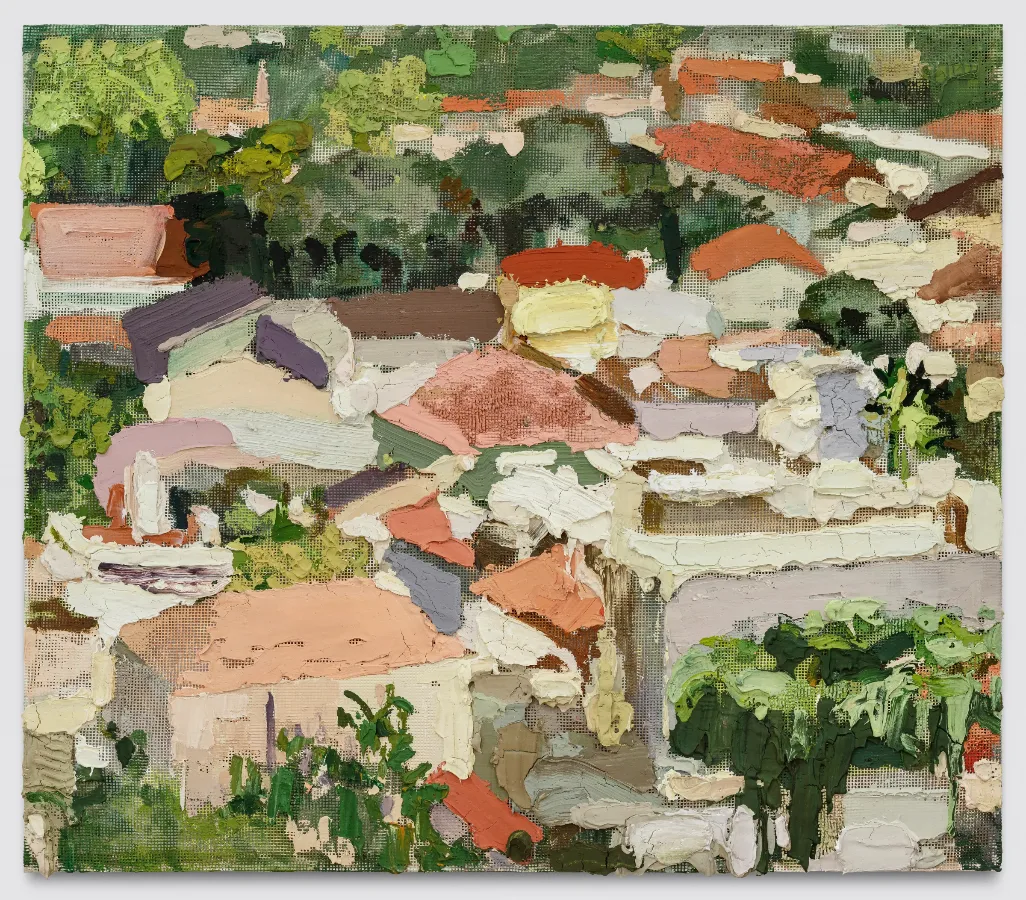
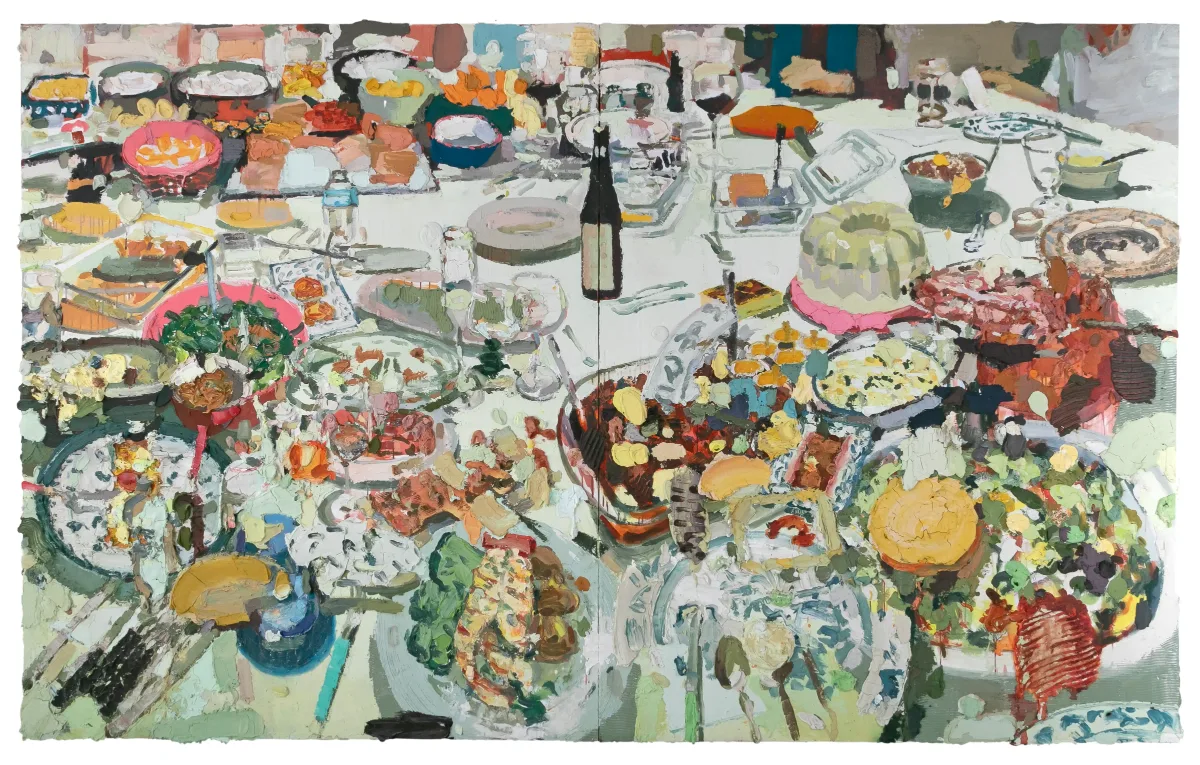
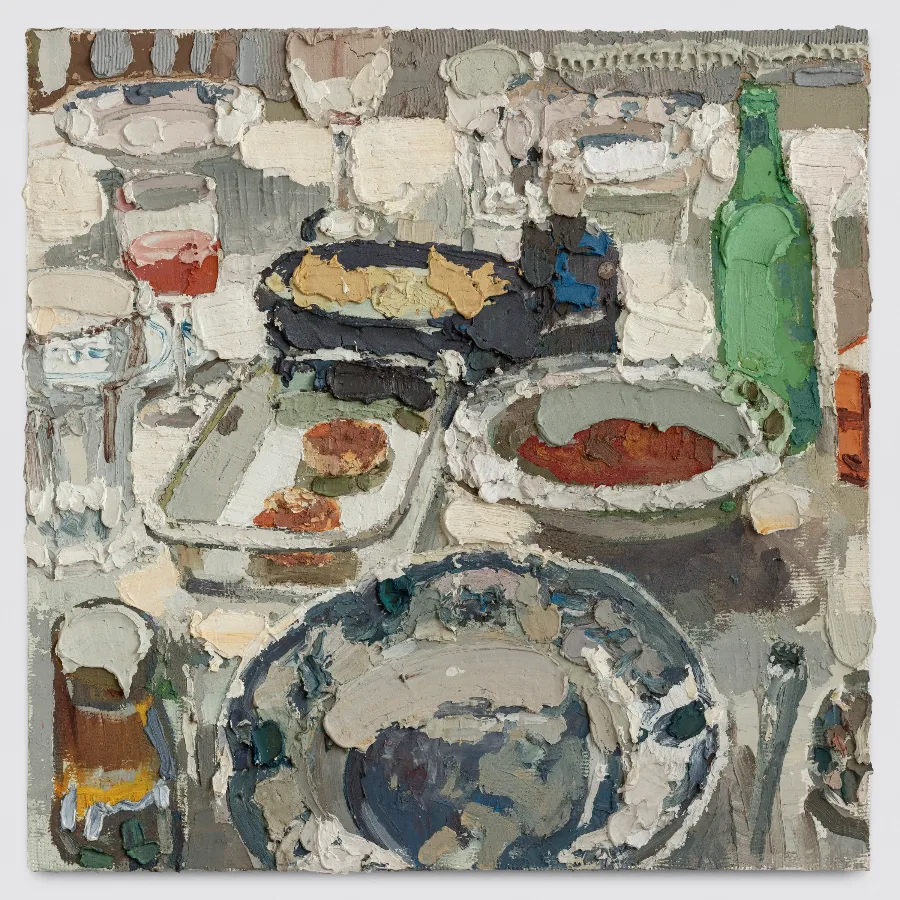
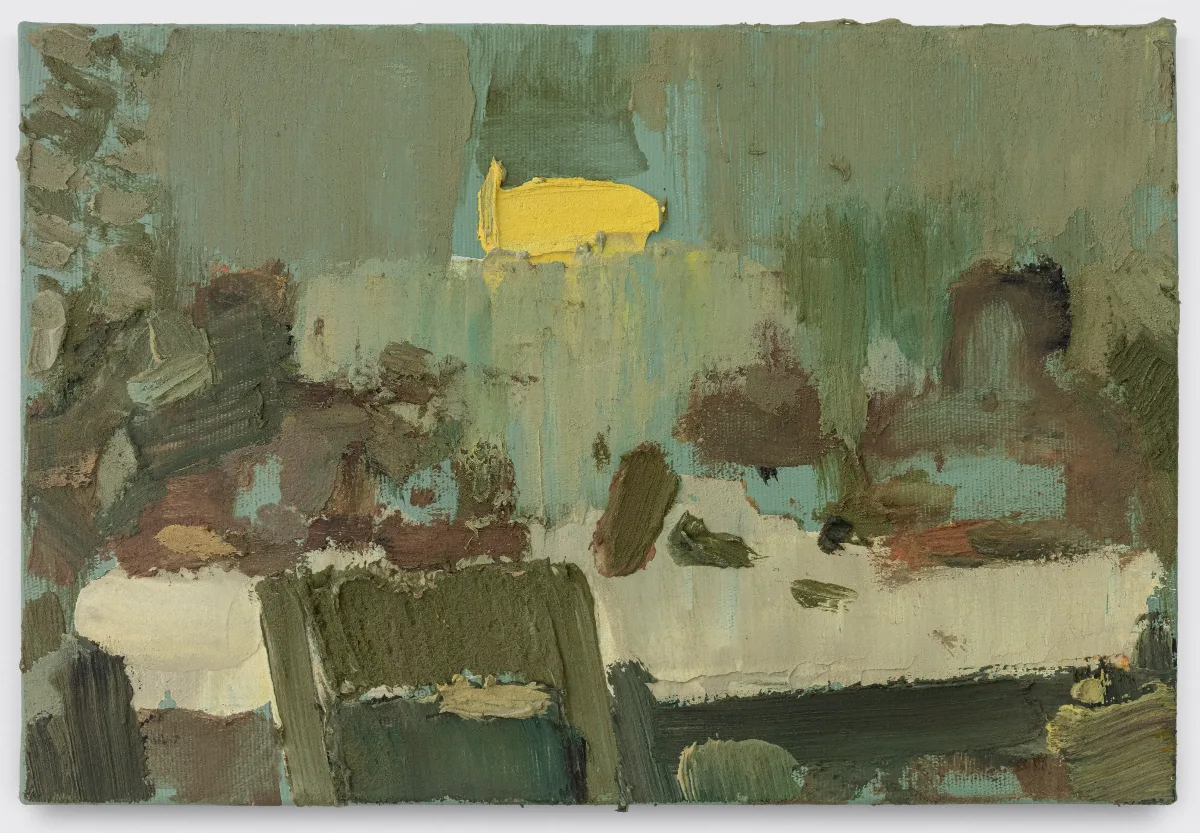
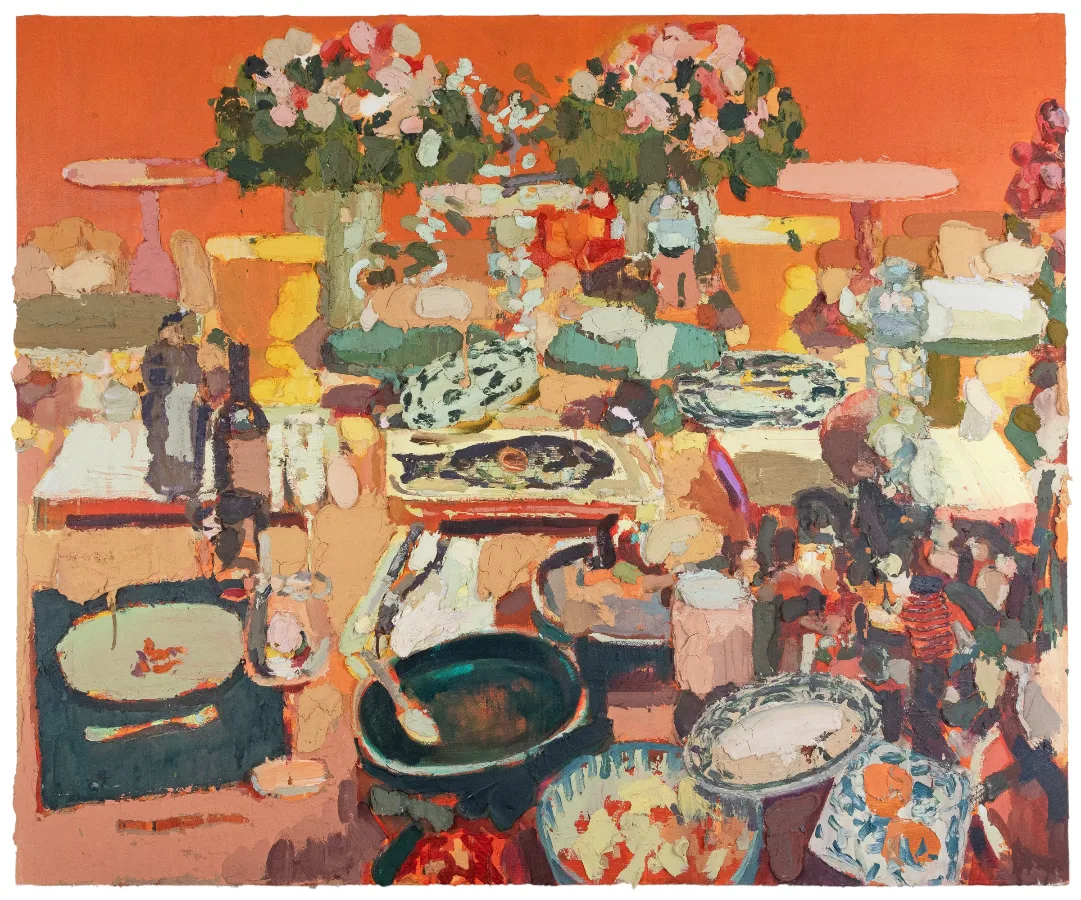
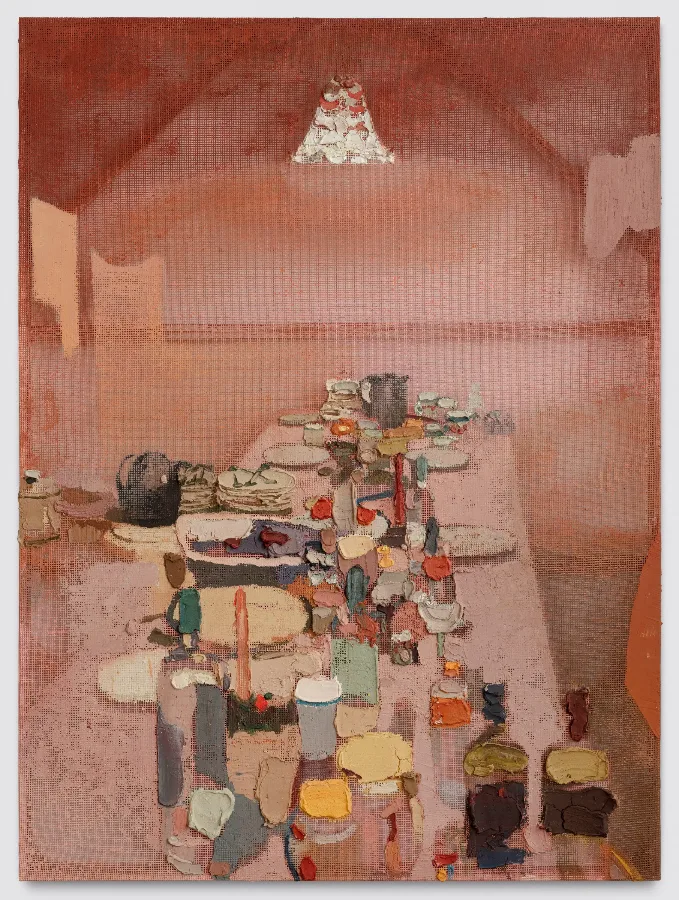
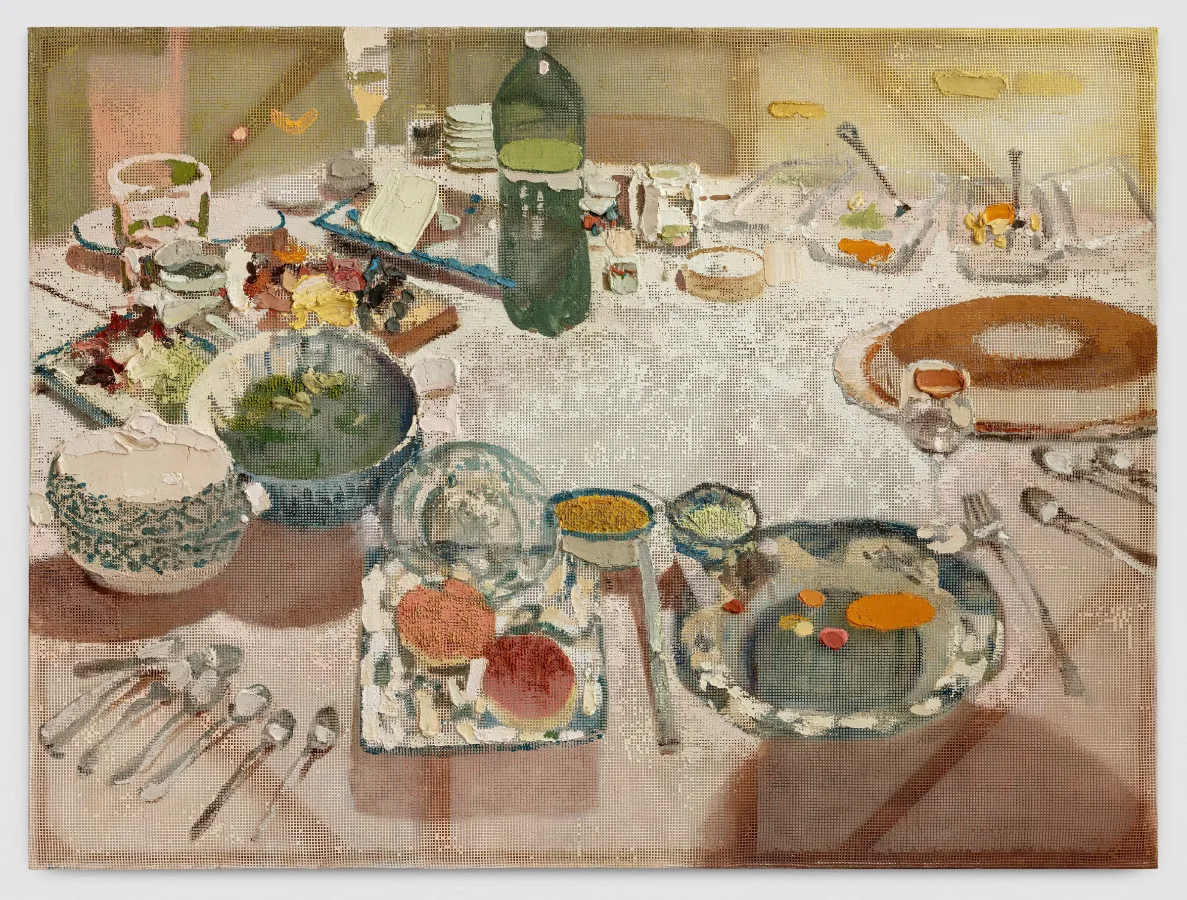
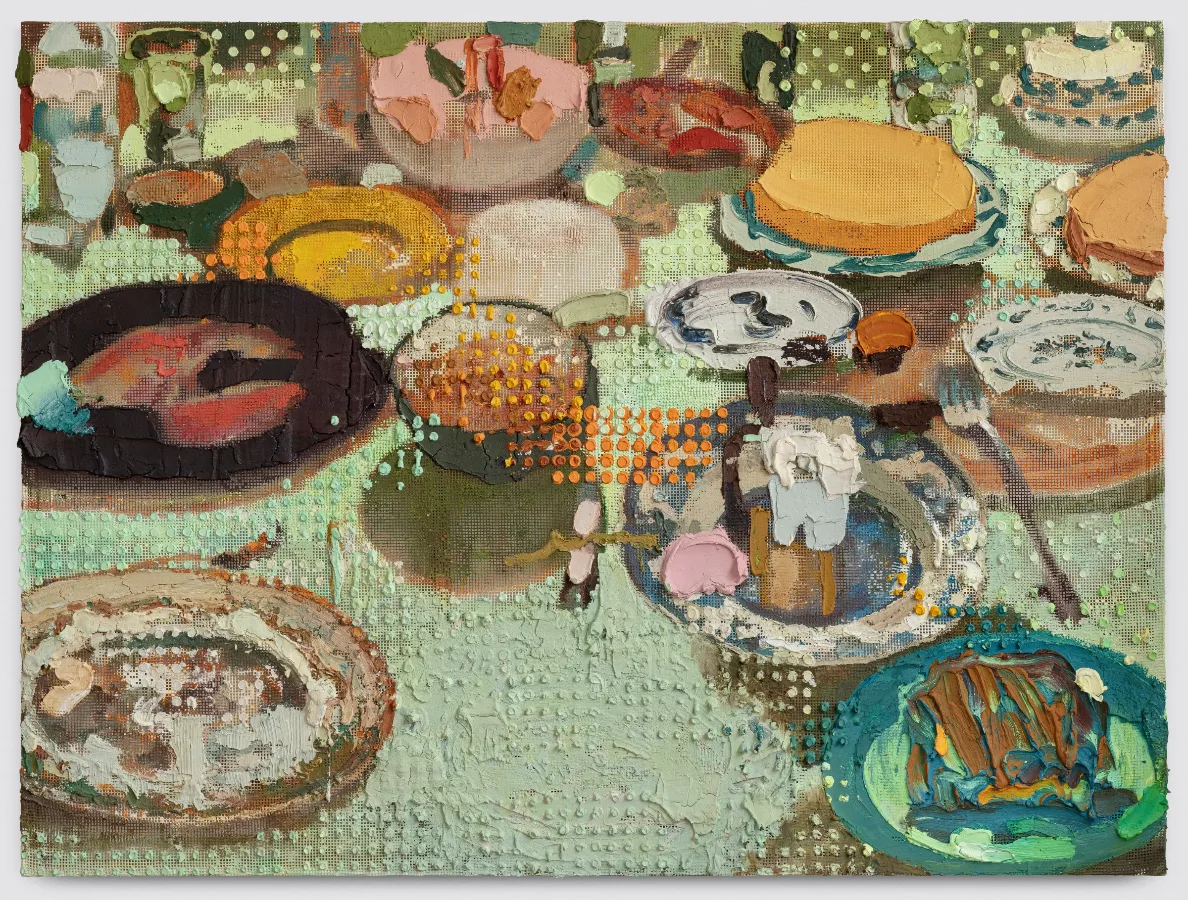
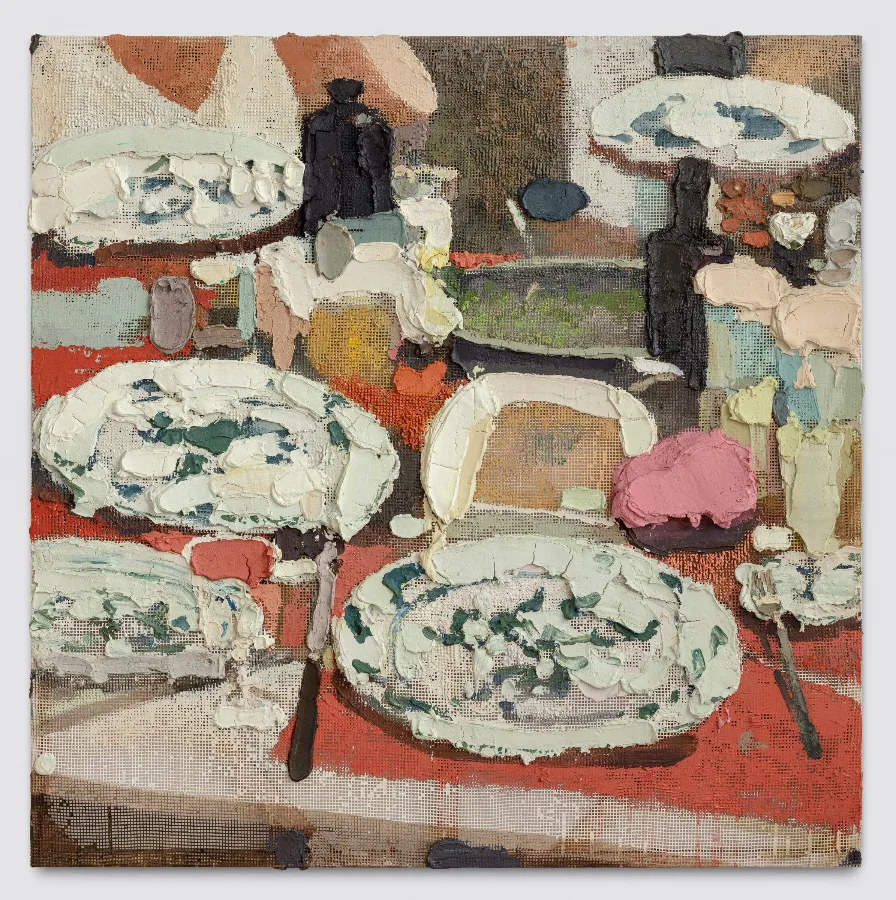
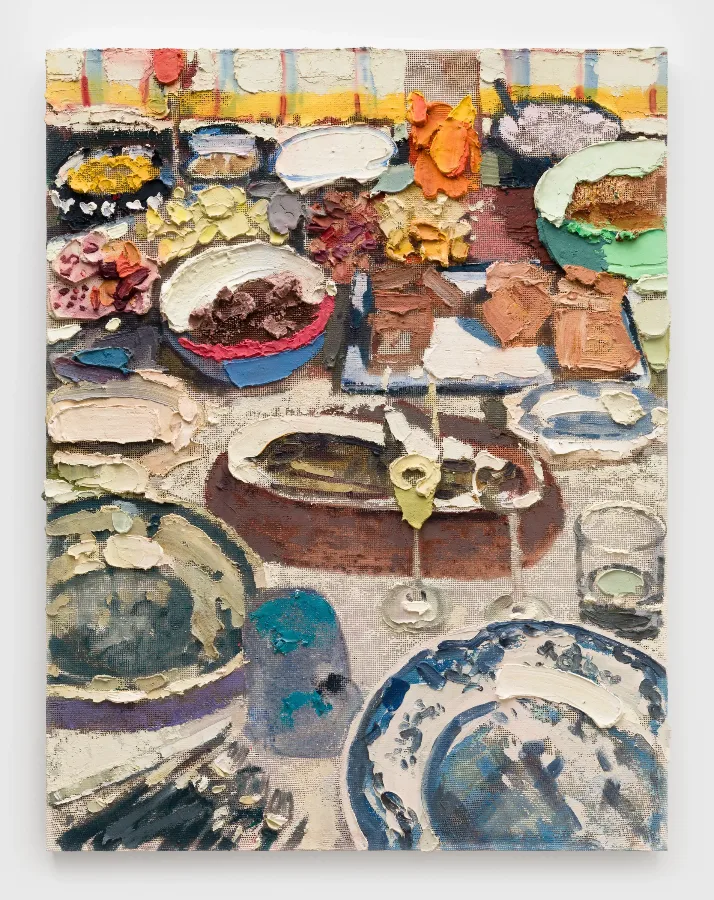
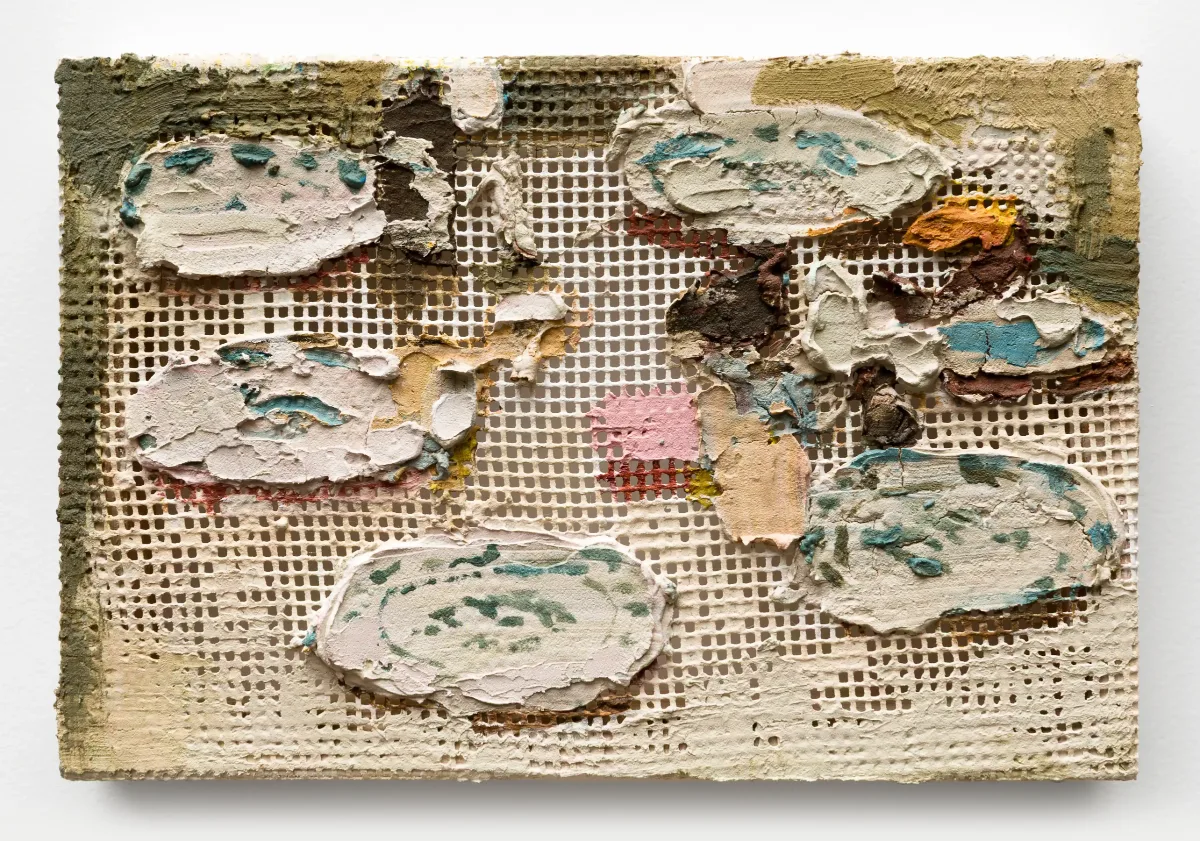
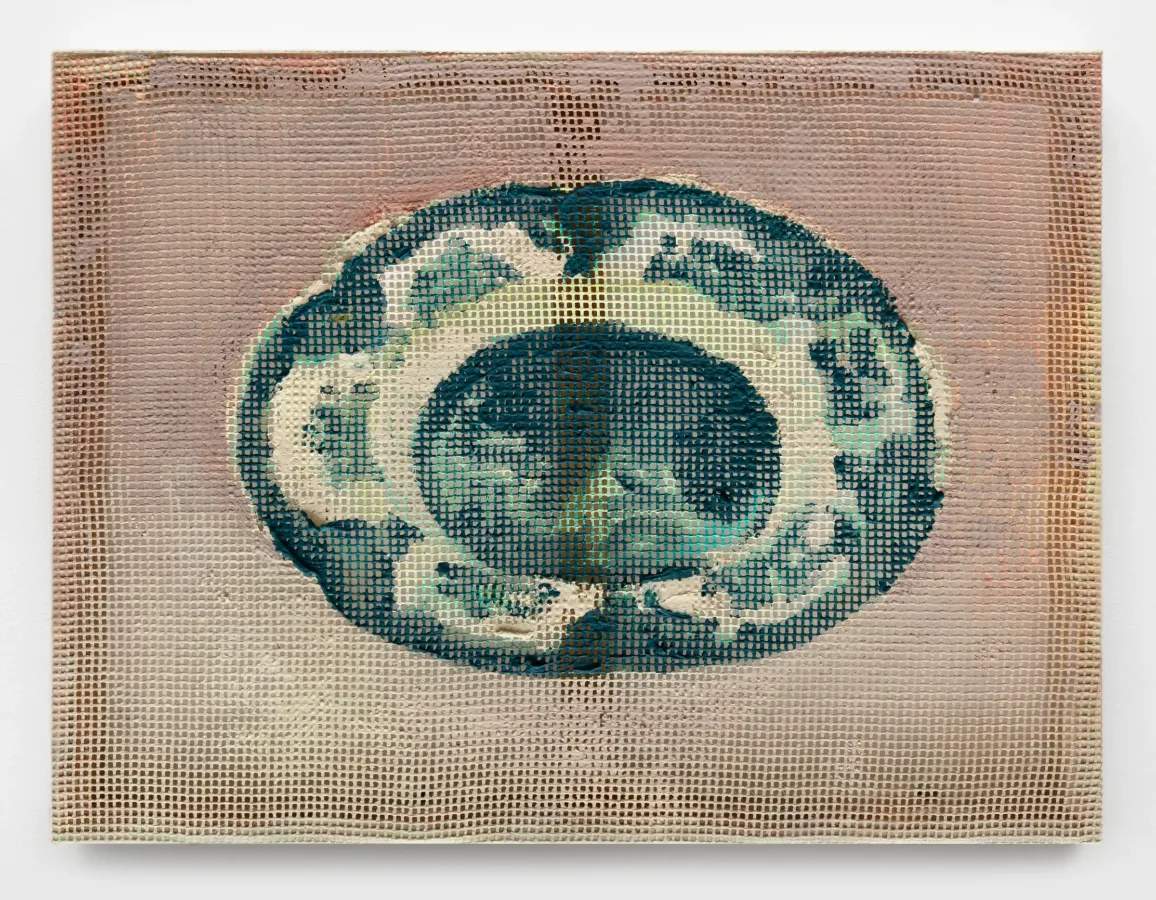
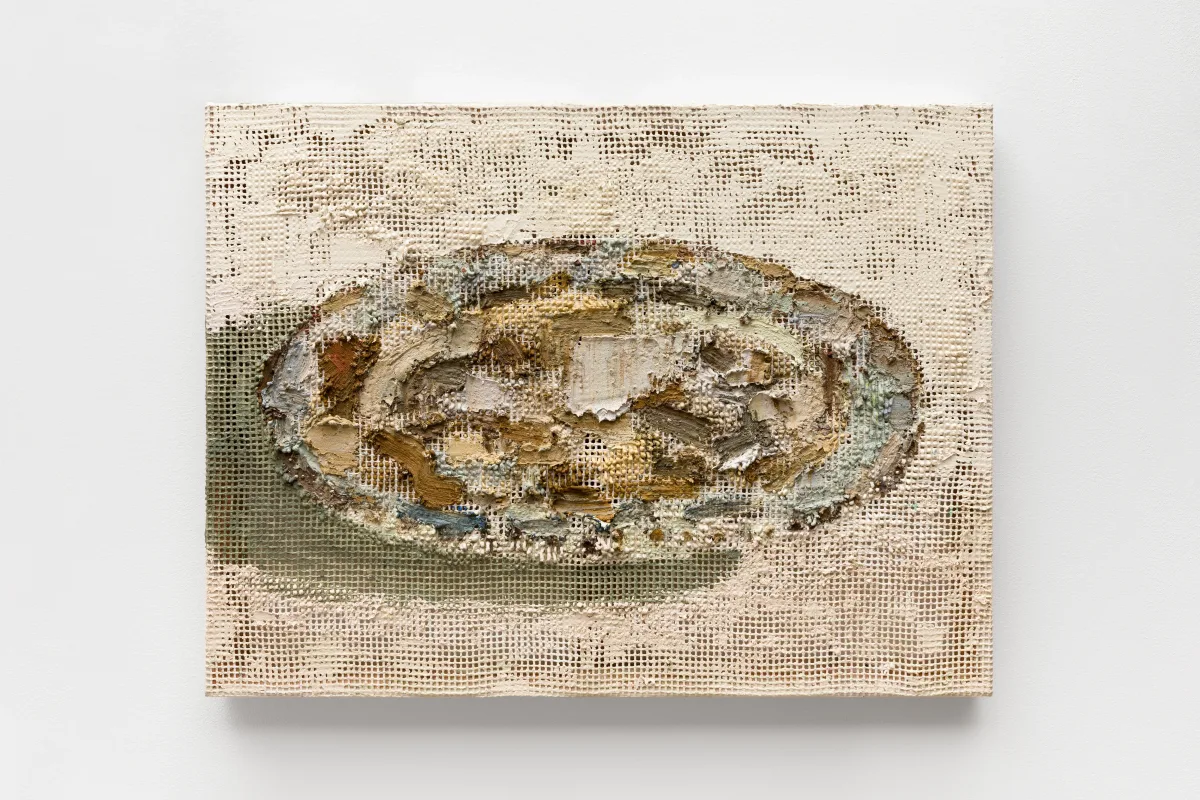
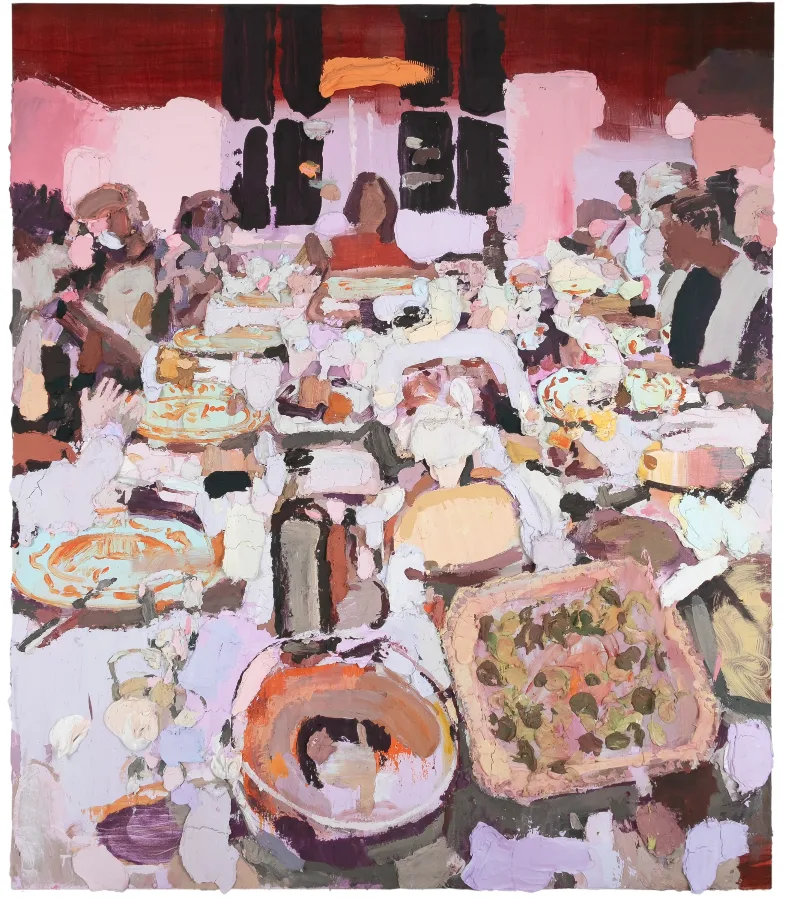
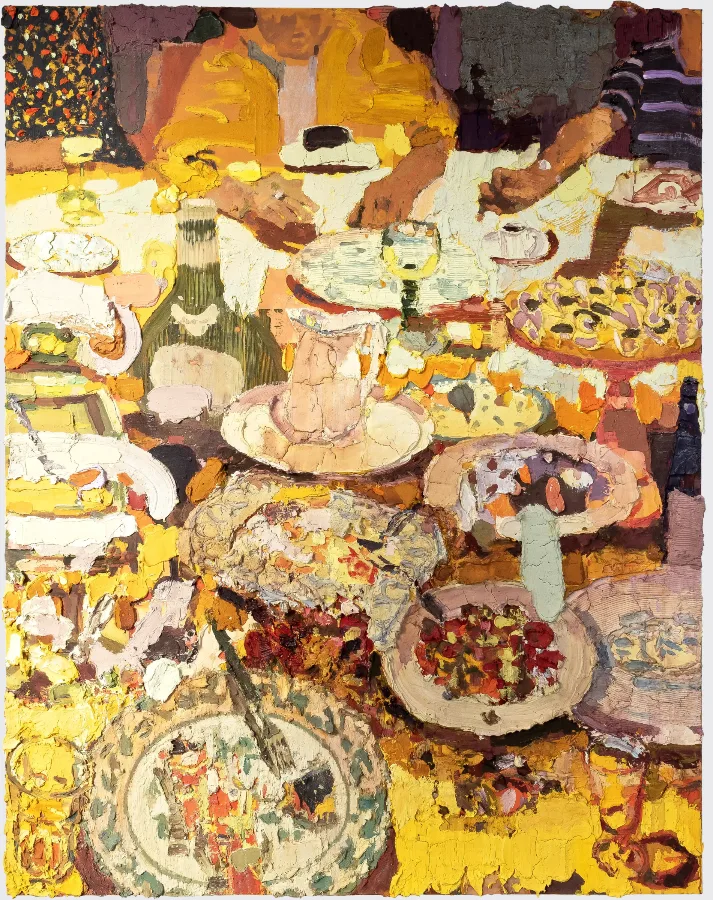
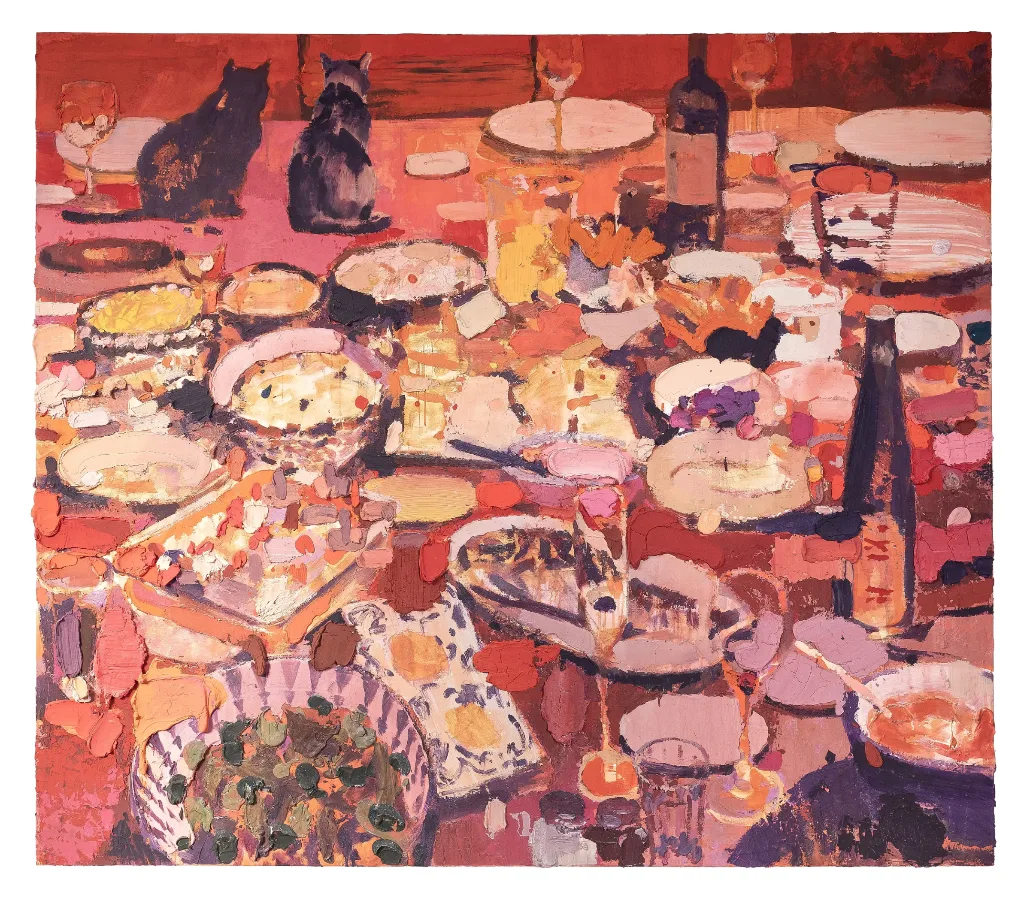
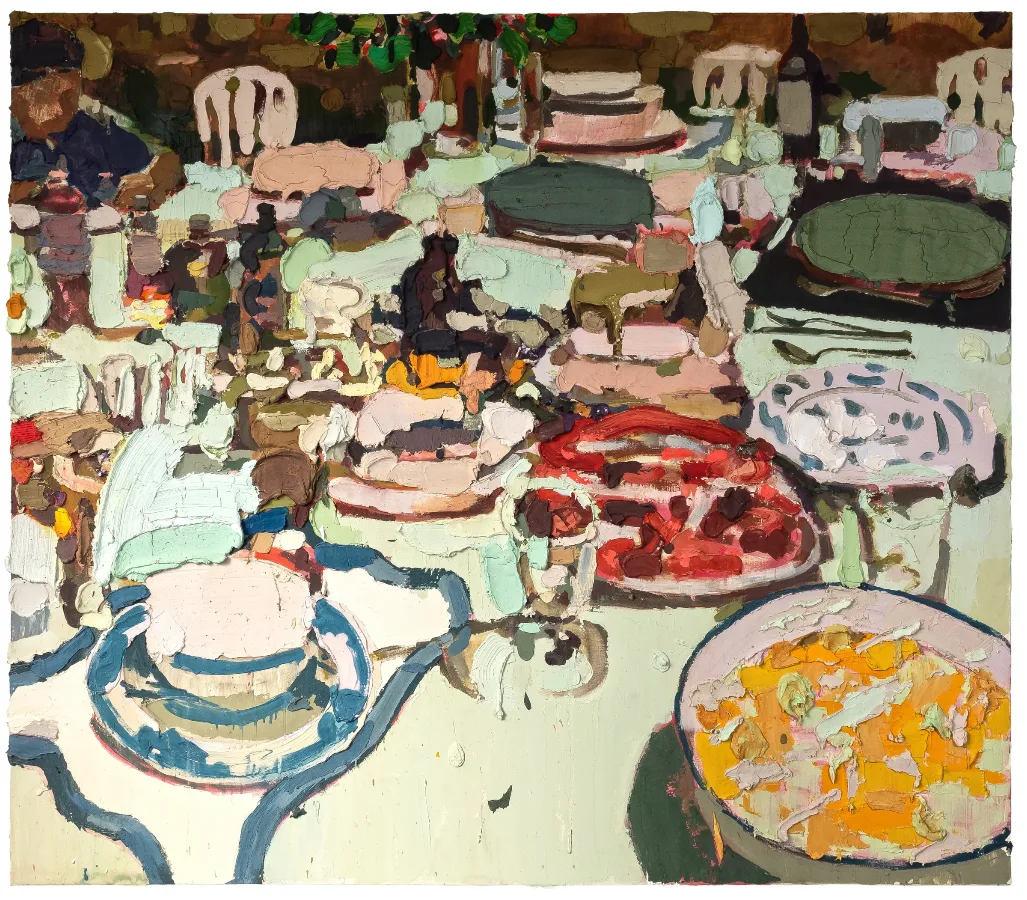
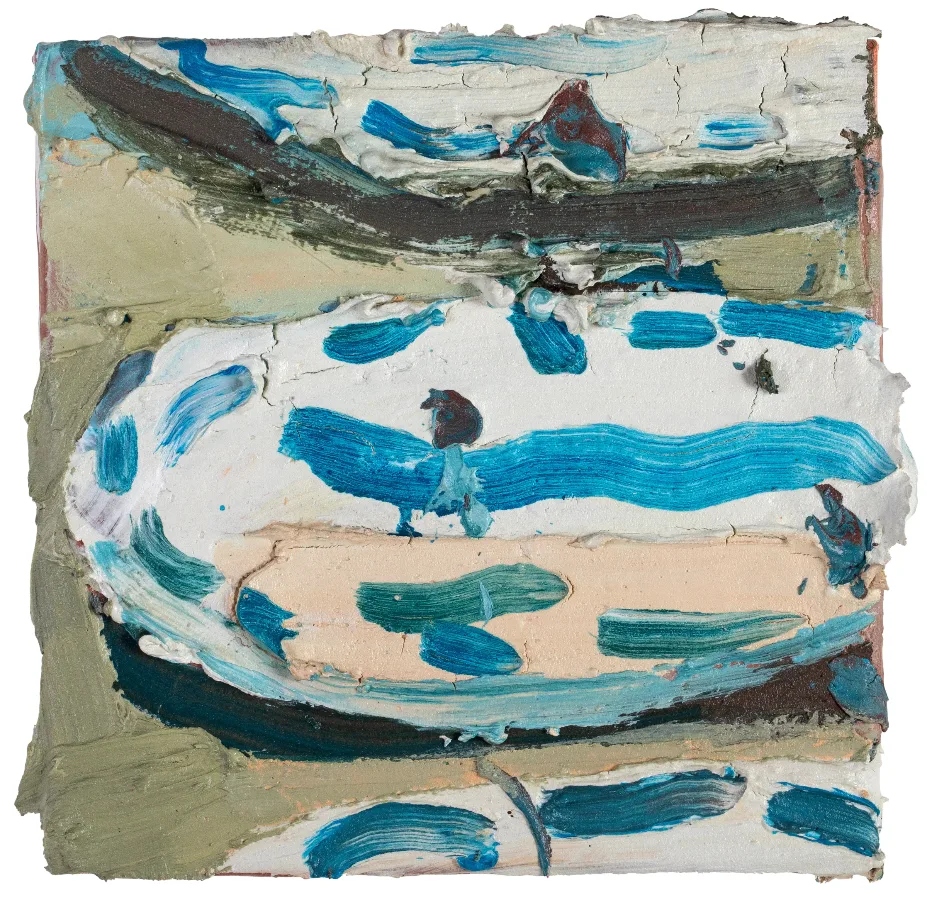
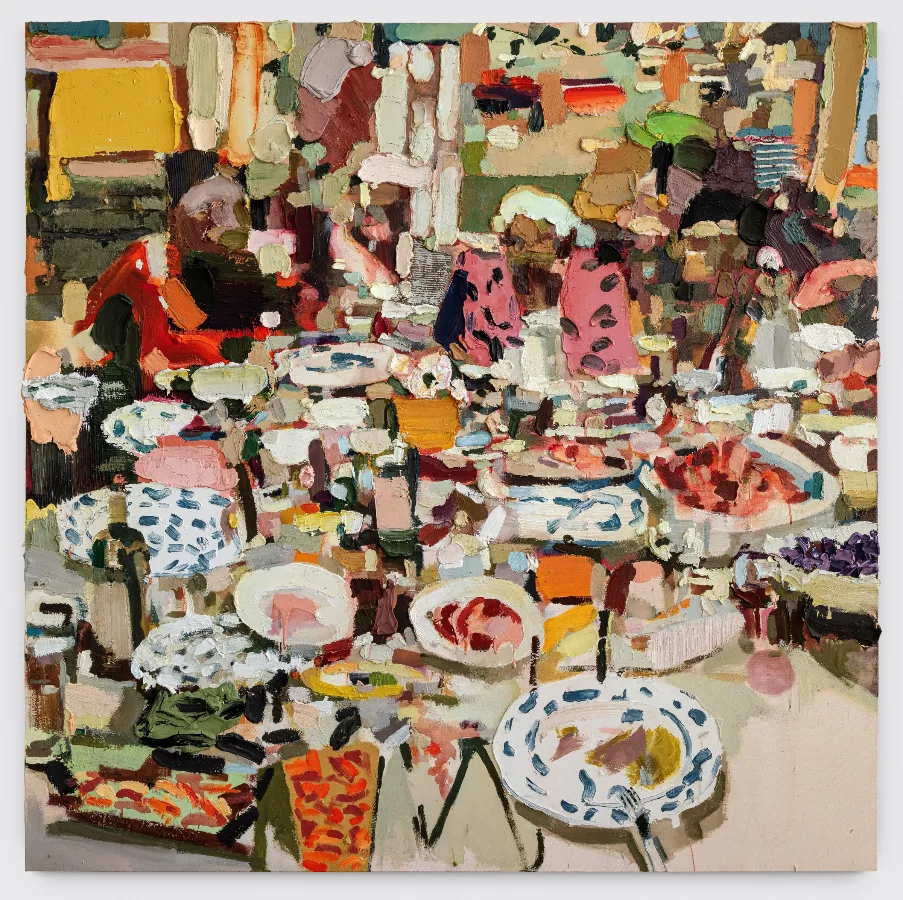
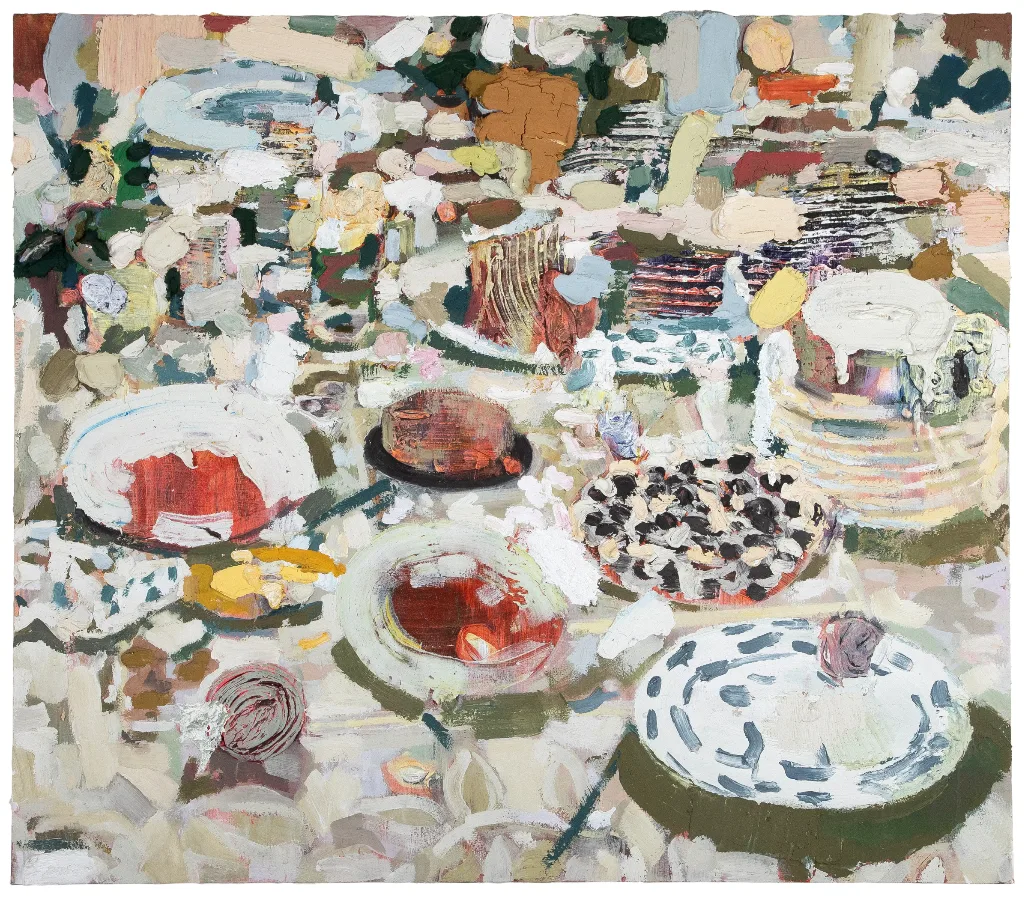
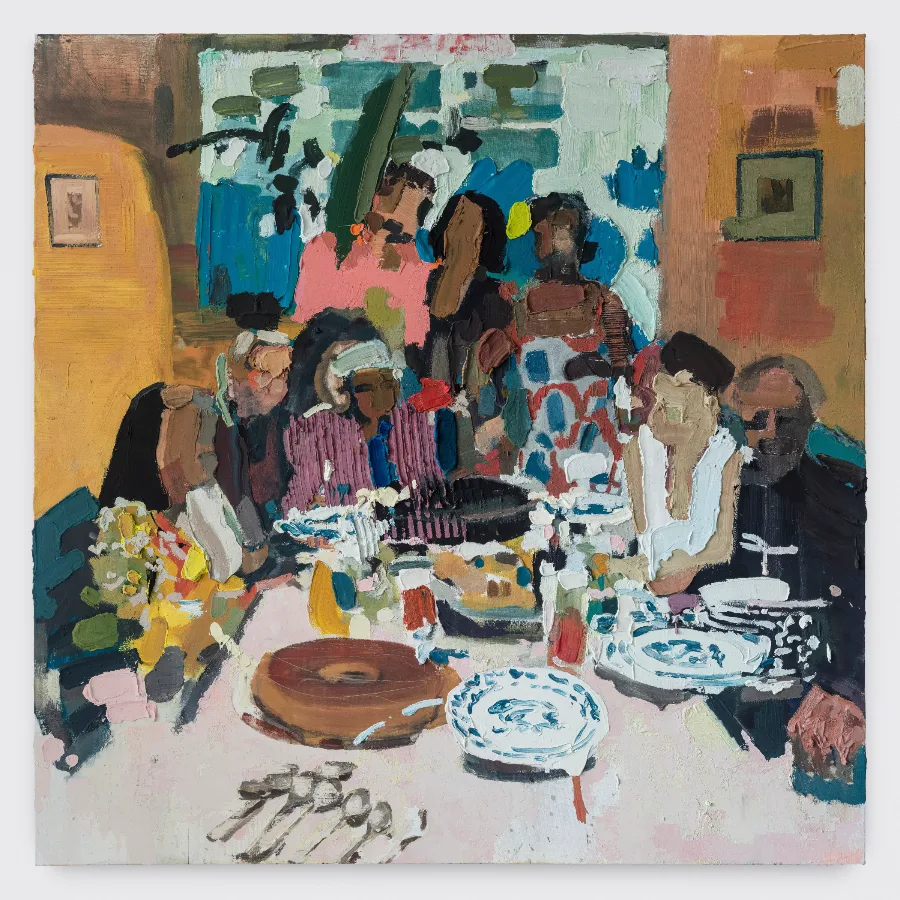
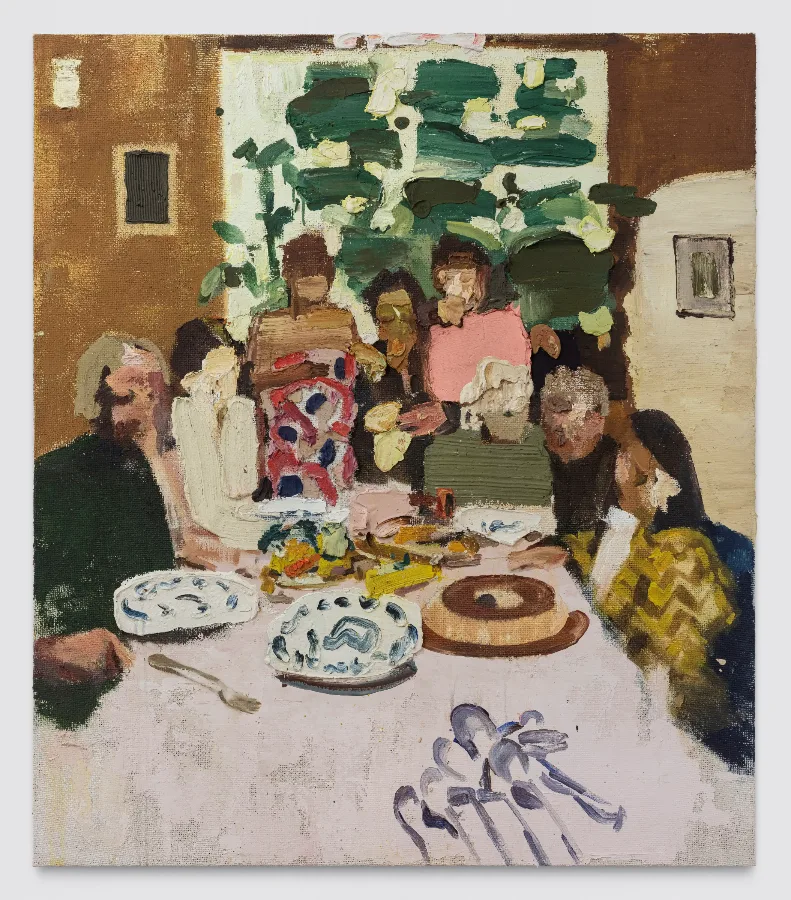
In the Grandmother’s House series, the table and its surroundings evoke the intimacy of small groups. Representations of the Last Supper and still lifes are points of departure, bringing to mind an experience crystallized in the collective imagination: the set table, people gathered around it, and a sense of warmth and continuity. The painting is figural here, concerned with the sensation of being at the table rather than with objective interpretation. Intimate colors and the refined brutality of the material reinforce this sensory and affective dimension.
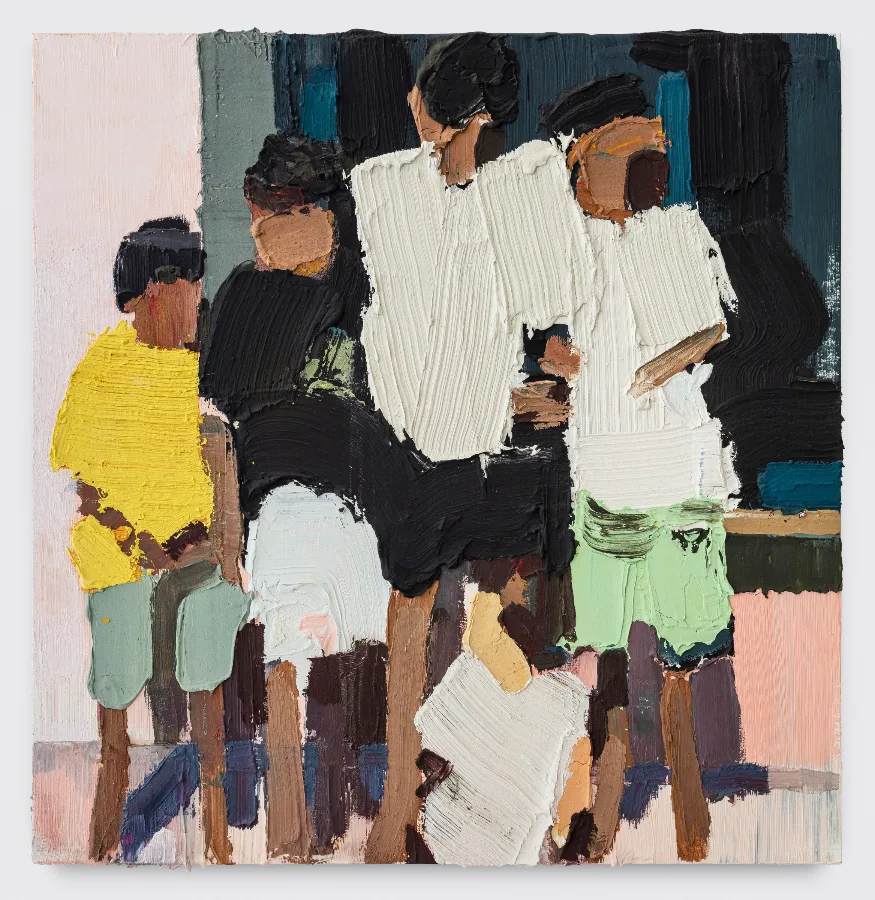
The table also functions as an anchor in the face of impermanence: a place that spans generations, where grandparents, parents, and children succeed one another, creating an umbilical cord that connects different times. By giving a contemporary form to longstanding questions in painting, Arthur transforms the table into a small crowd — a space that shapes subjectivity and generates a sense of belonging, while also revealing the latent impermanence of life.